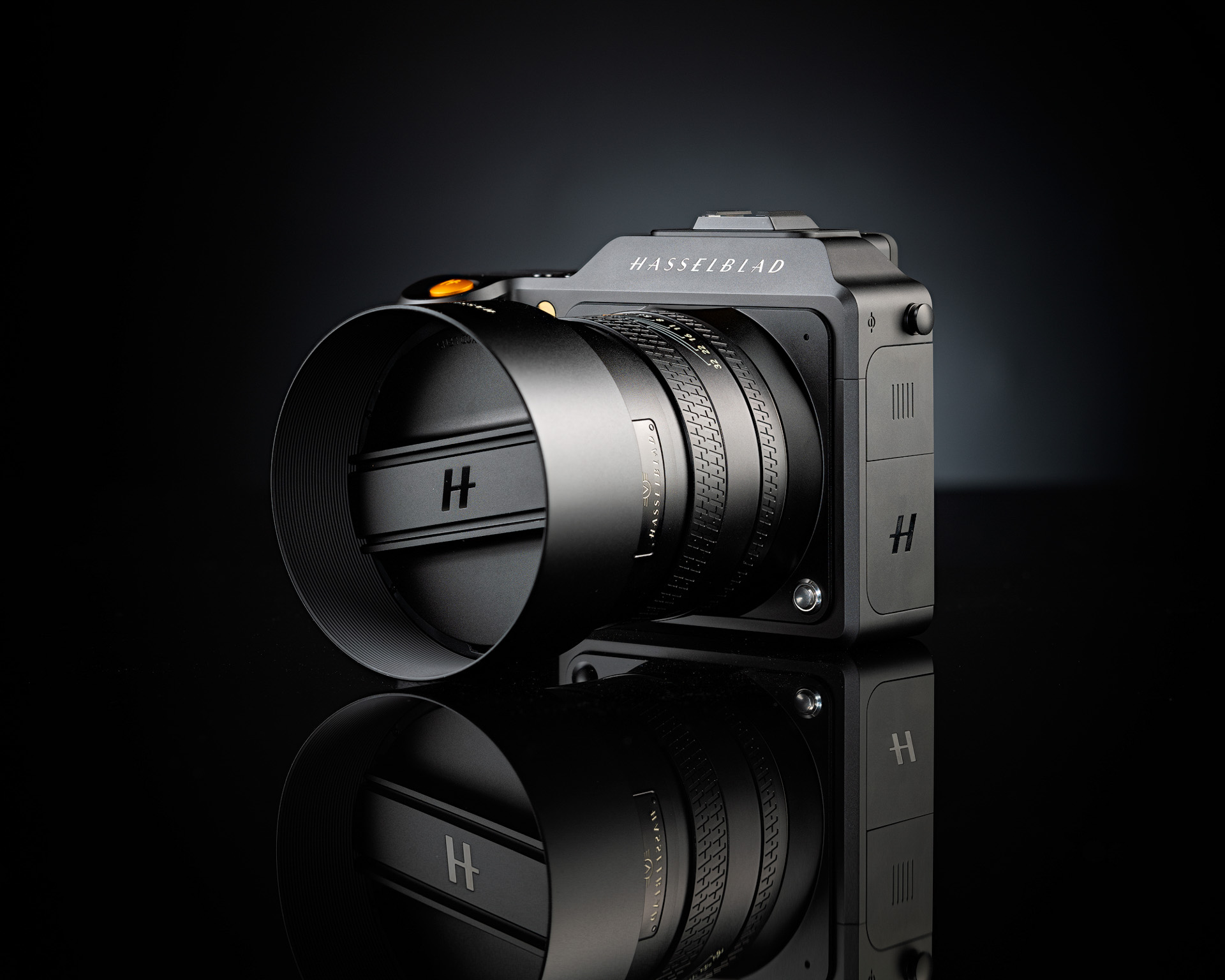
Leica SL2
By Daran Wu
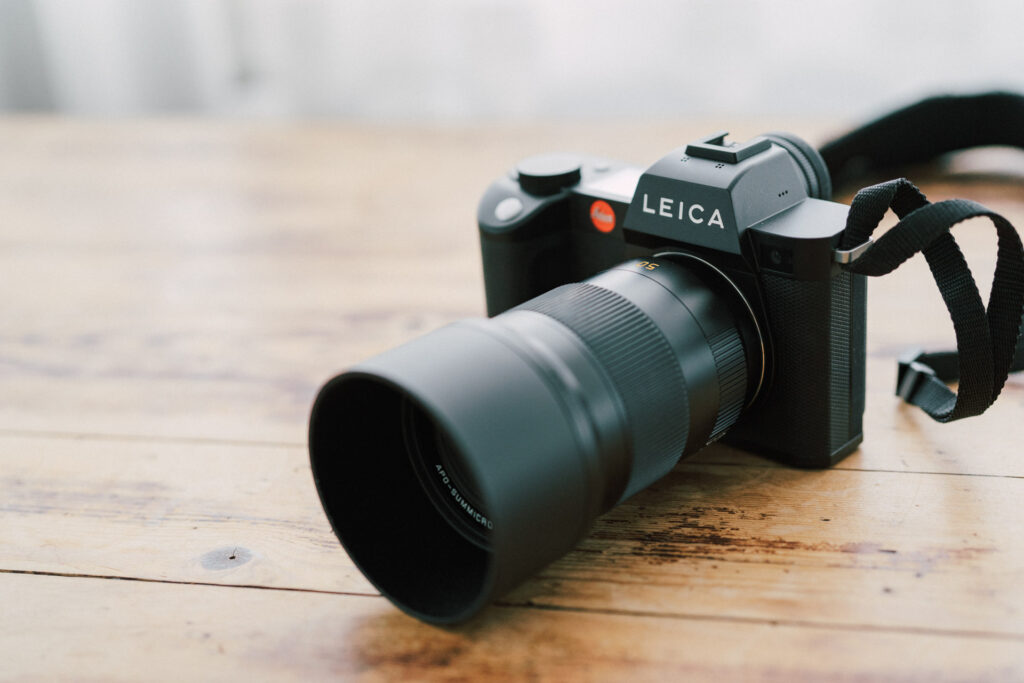
About the Leica SL2
I briefly shot with the Leica SL system a few years ago and came away with a good impression. Its electronics lagged behind Sony's, but its EVF — the highest-spec in the industry at the time — left a deep impression.
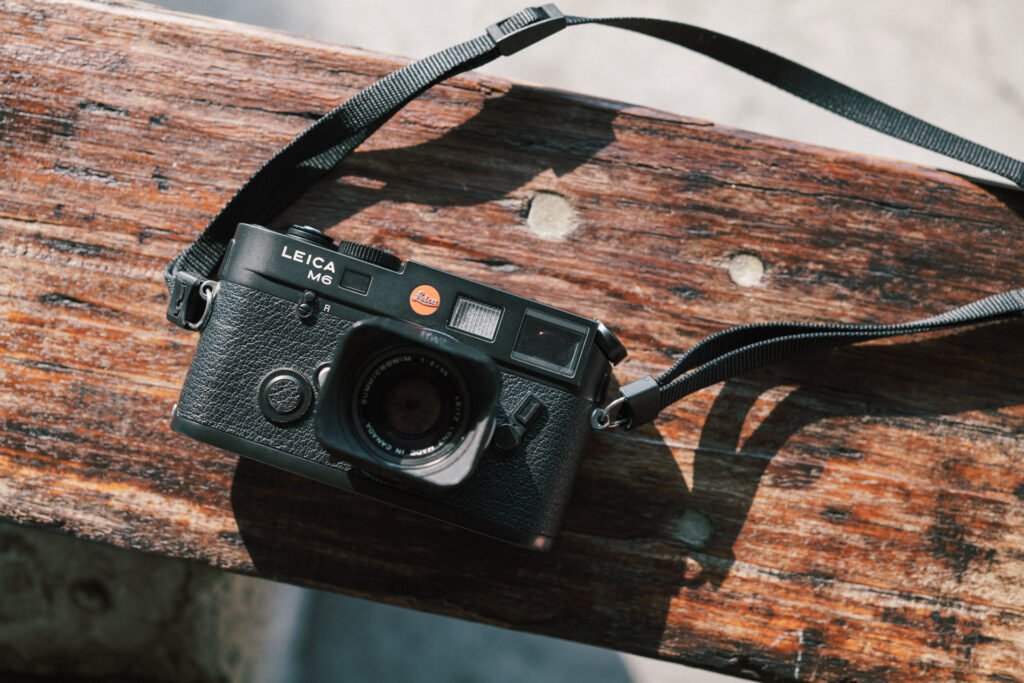
I've long used the Leica M system for my personal travel projects, and Sony Alpha for work. As technology advances and mirrorless cameras grow ever more complete, what can the Leica SL2 still brag about against the rest? I was lucky enough to shoot with the Leica SL2 for three weeks, and I'd like to share my impressions — so you can see how far the Leica SL system has come.

Autofocus
First up: the SL2 adds face/body detection this generation. In everyday situations it speeds up focusing — similar to Sony's eye AF, except it locks onto faces rather than eyes. In a typical portrait shoot, turn it on and the SL2 automatically locks onto faces (switching to bodies at longer distances); the joystick lets you pick between faces or bodies. For Leica, I'd call that progress.

Next, continuous AF. On the Sony A9 II, eye AF plus continuous AF delivers extremely tenacious subject lock and highly efficient shooting. The SL2's continuous AF isn't quite as strong. With it on, you can clearly feel the lens's stepping motor working continuously — versus Sony lenses, which track in complete silence. That's the experiential difference. In accuracy and efficiency, it's generally fine for small-range movement, but fast or large movements easily lose the subject.
Overall, though, I'd say the SL2's AF performance is still quite good. At first I doubted face AF's accuracy — but after a few shoots, opening the files was a pleasant surprise: wherever it indicated focus, the hit rate was high. Later I used face detection boldly, and the experience felt close to Sony's. One caveat: with three or more faces in frame, it gets confused and the failure rate jumps — then I fall back to single-point AF or locked AF modes.


Electronic Viewfinder
Looking through the SL2's EVF is pure enjoyment: 5.76-million-dot resolution, 100% coverage — the best electronic viewfinder in the industry. Its color gradation and dimensionality render so realistically I almost feel my photos leaping out before my eyes. The best viewing experience I've had — though the Leica APO lens deserves some credit too.

Color / DNG
Let's talk about the RAW files' native character. In my workflow, every brand's files go through the same LR preset, so the overall style looks similar — but subtle differences remain: call it each camera's color signature. The SL2's files render light and shadow with realistic dimensionality — not the crushed-contrast-for-maximum-detail approach, but moderate contrast straight out of camera, with plenty of highlight detail. I remember shooting bright and thinking the EVF showed blown highlights, only to open the file on the computer and find the detail intact. After several shoots, I'm sold on Leica's color — honest and solid.

In typical portrait work, Leica's skin-tone rendering leans warm, holding a good detail balance between highlights and shadows — even in high-contrast scenes, proper exposure preserves plenty of detail.
In typical portrait work, Leica's skin-tone rendering leans warm, holding a good detail balance between highlights and shadows — even in high-contrast scenes, proper exposure preserves plenty of detail.


Continuous Shooting
I've never understood why a camera at this price gets such a stingy buffer. Fire a medium or high-speed burst (a dozen-plus frames) and the camera bogs down writing — continued shooting slows, and even browsing images requires waiting. Like sprinting, then being forced to catch your breath. Japanese cameras clearly do this better — the Sony A9 II bursts freely until you realize you've shot too many…

Buttons
The SL2's button layout takes some getting used to. Where most cameras put a front dial by the shutter, the SL2 doesn't — instead there's a large top dial. It handles fine; your hand just needs practice. I love the SL2's function-button setup: long-press any Fn button to assign its function directly, no menu diving — other makers should take note. The downside: assignable options are limited to the official presets.
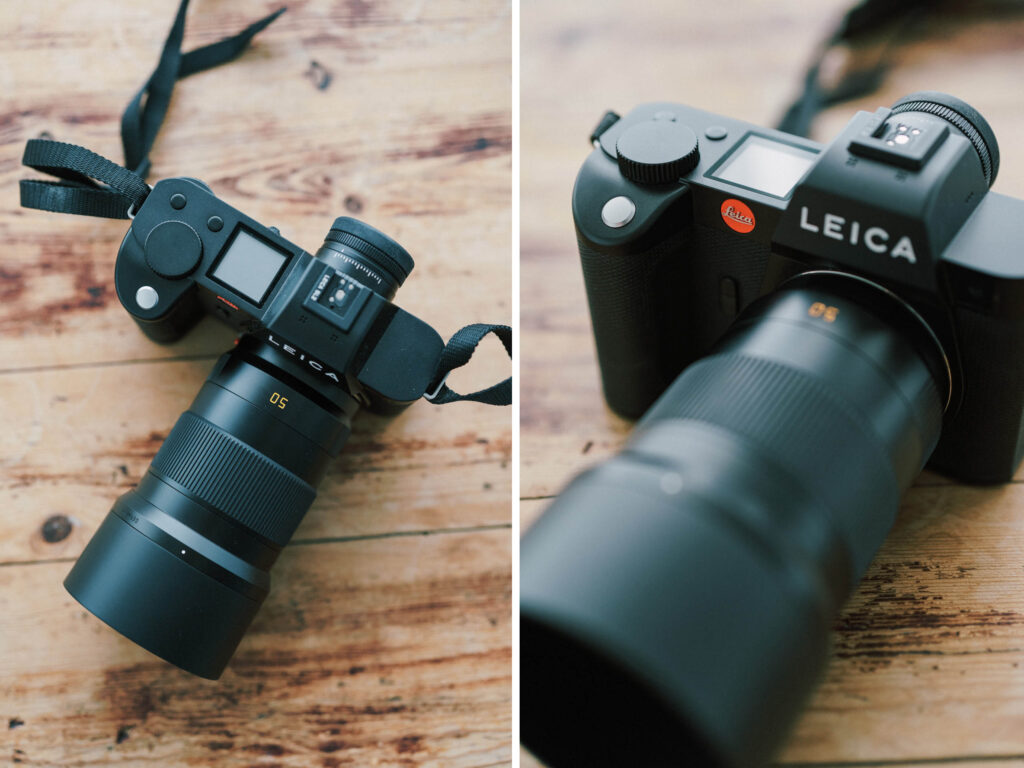
Image Stabilization
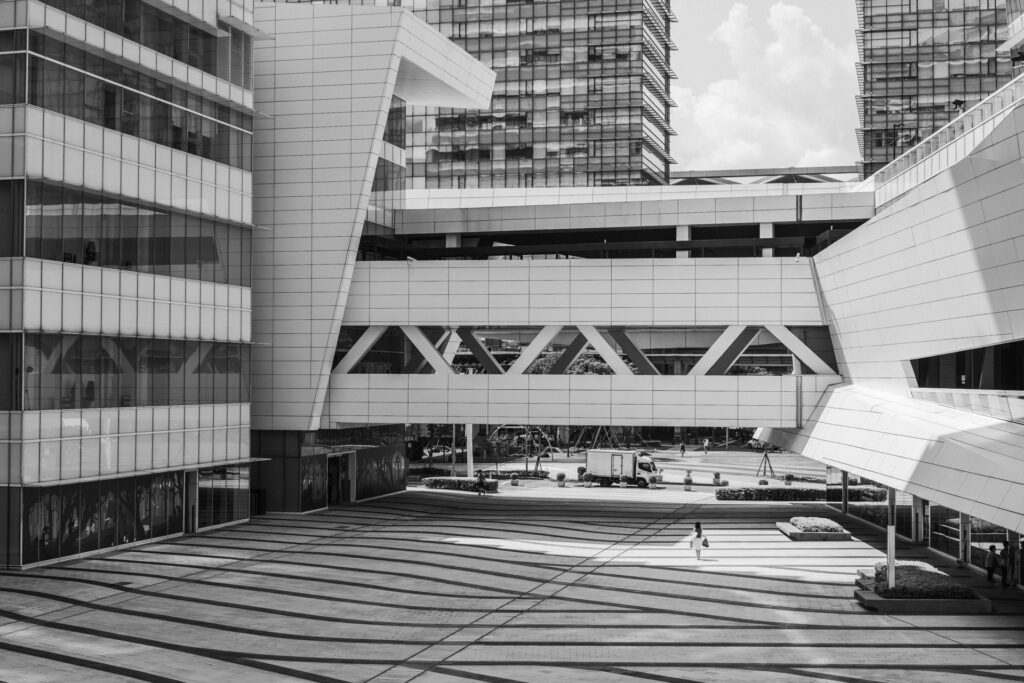
My previous Leicas had no stabilization, so the SL2's IBIS feels like a treat. Officially rated at 5.5 stops, it genuinely steadies the camera — probably not far off Sony.
Summary
The SL2 lists at NT$180,000–220,000 (grey/authorized) — on value alone it can't match the Sony A9 II or Canon R5. But Leica was never about value for money; "owning a Leica" is the photographer's deepest calling — mine included! The M is light and intuitive but lacks automation and speed; the SL2 fills that gap, and its improved performance narrows the distance to mainstream Japanese makers. Compared to Hasselblad's conservatism, I find Leica more willing to listen to real users, deliberately spanning enthusiasts and working pros. The pity is the pricing remains typically Leica: the body runs NT$50,000–60,000 more than top Japanese flagships — barely acceptable (it's a Leica!) — but lens prices are truly regal, easily over NT$100,000 each. Loving Leica takes real devotion!
The SL2 is Leica's modern mirrorless system, and overall my experience was positive. Looks need no discussion — full marks; it's a bit heavy, but the handling feels solid. Honestly, it exceeded my expectations by a good margin — face AF is the standout, fast and reliable.
About the Leica APO SL 50mm F2
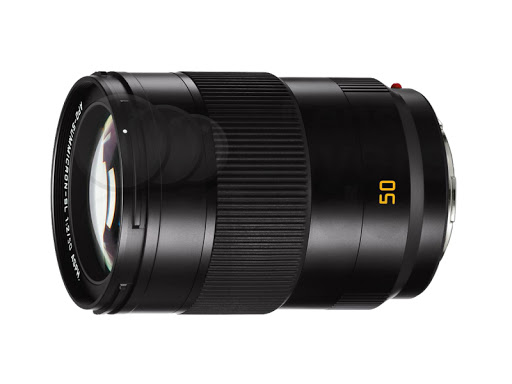
A 50mm standard lens at only f/2 — why does it cost NT$140,000–160,000? What makes it worth such a price?
To answer that: first, being a Leica adds NT$50,000 to the base price! Seriously though, modern lenses from any brand perform well fundamentally — rarely worlds apart. What creates the multi-fold price gap is the pursuit of that 95-to-99-point perfection.

My best lens is the Otus 55mm f/1.4: good average quality wide open, and stopping down improves corner vignetting (and sharpness, of course) — same for the Zeiss 50mm f/1.4 on Sony. But the Leica APO SL 50mm F2 is different: the first wide-open lens I've met with no vignetting at all!! Toggling Lightroom's vignette correction did almost nothing (unneeded)!
Shooting at f/2 and zooming in, detail stays crisp and sharp — and stopped down, the quality is medium-format-like in its exquisite delicacy. This is truly a lens where you feel what "different" means the moment you shoot. Paired with the SL2's 5.76-million-dot EVF, its three-dimensionality is the best I've used.

The most mysterious thing about the Leica APO SL 50mm F2 is those three letters: APO is short for "Apochromatic" — meaning it corrects the three primary colors onto the same plane, reducing or eliminating fringing and blur, boosting contrast for crisp, sharp imaging. (More on this here.)
Leica poured all its cost into meeting the APO standard. This lens simply doesn't know aberrations or dispersion — images come out solid and true.


In a new system, my first lens is usually a 50mm f/1.4 (the SL system has one too). But after trying the Leica APO SL 50mm F2, it left such a deep impression that if I ever adopt the Leica SL system, I'd very likely vote for the APO SL 50mm F2.
延伸連結:
天生的美好 | 台南美術館二館 (Leica SL2 + Leica APO SL 50mm F2)
2021台北時尚周後台紀錄 | Leica M240
https://camera-forest.com/taipei-fashion-show-2021-leica-m240/
Share this story