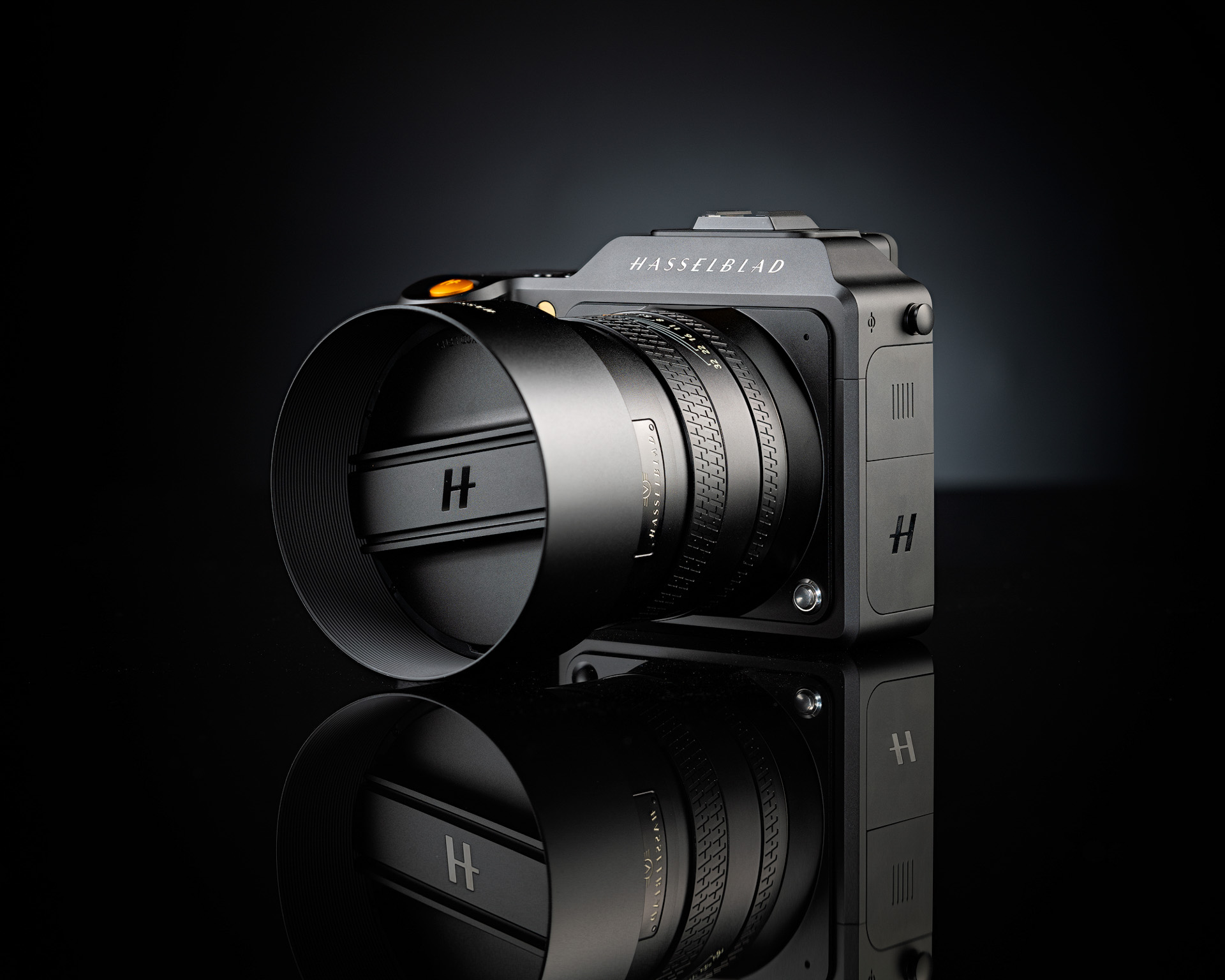
Weight
35mm Equiv.
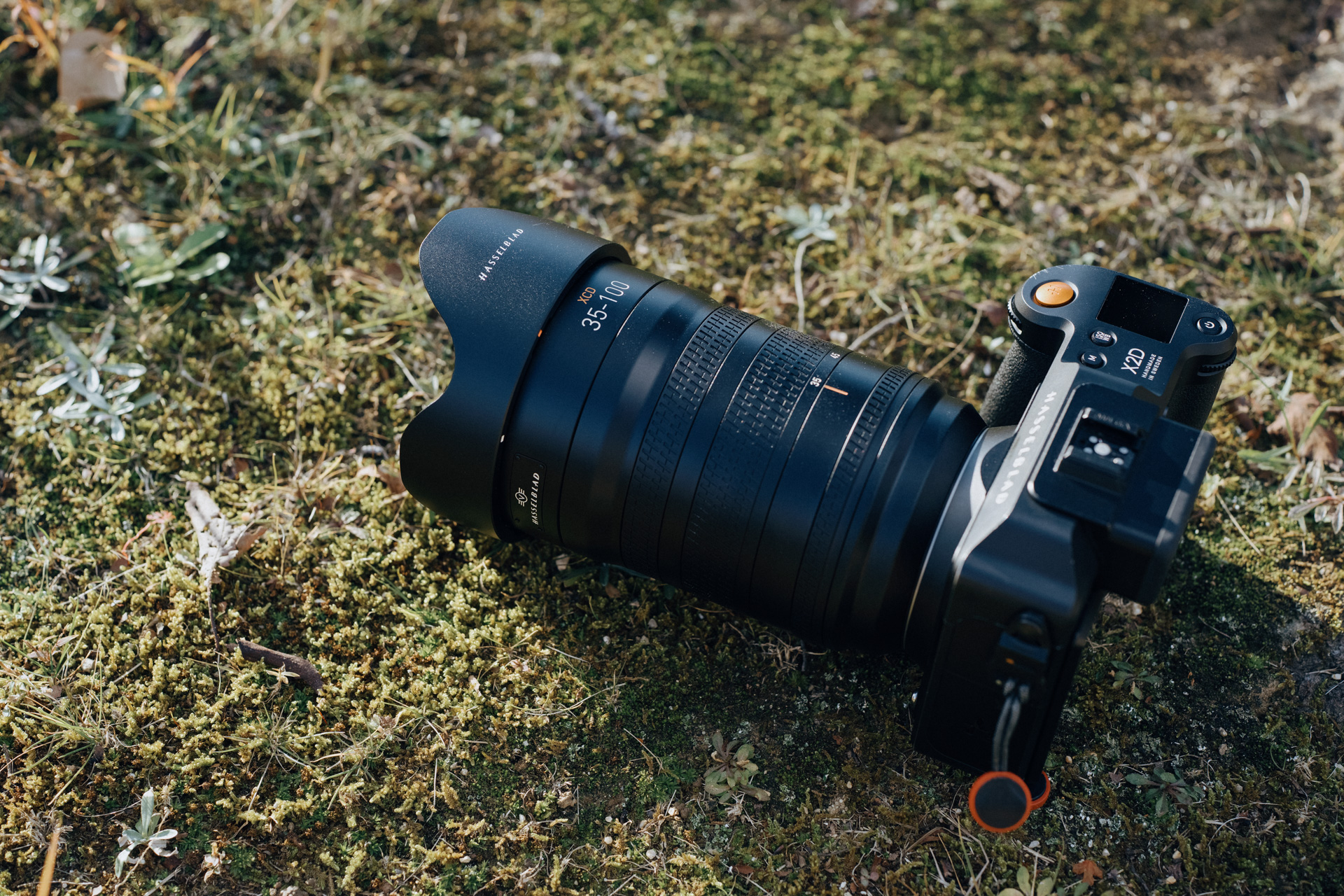
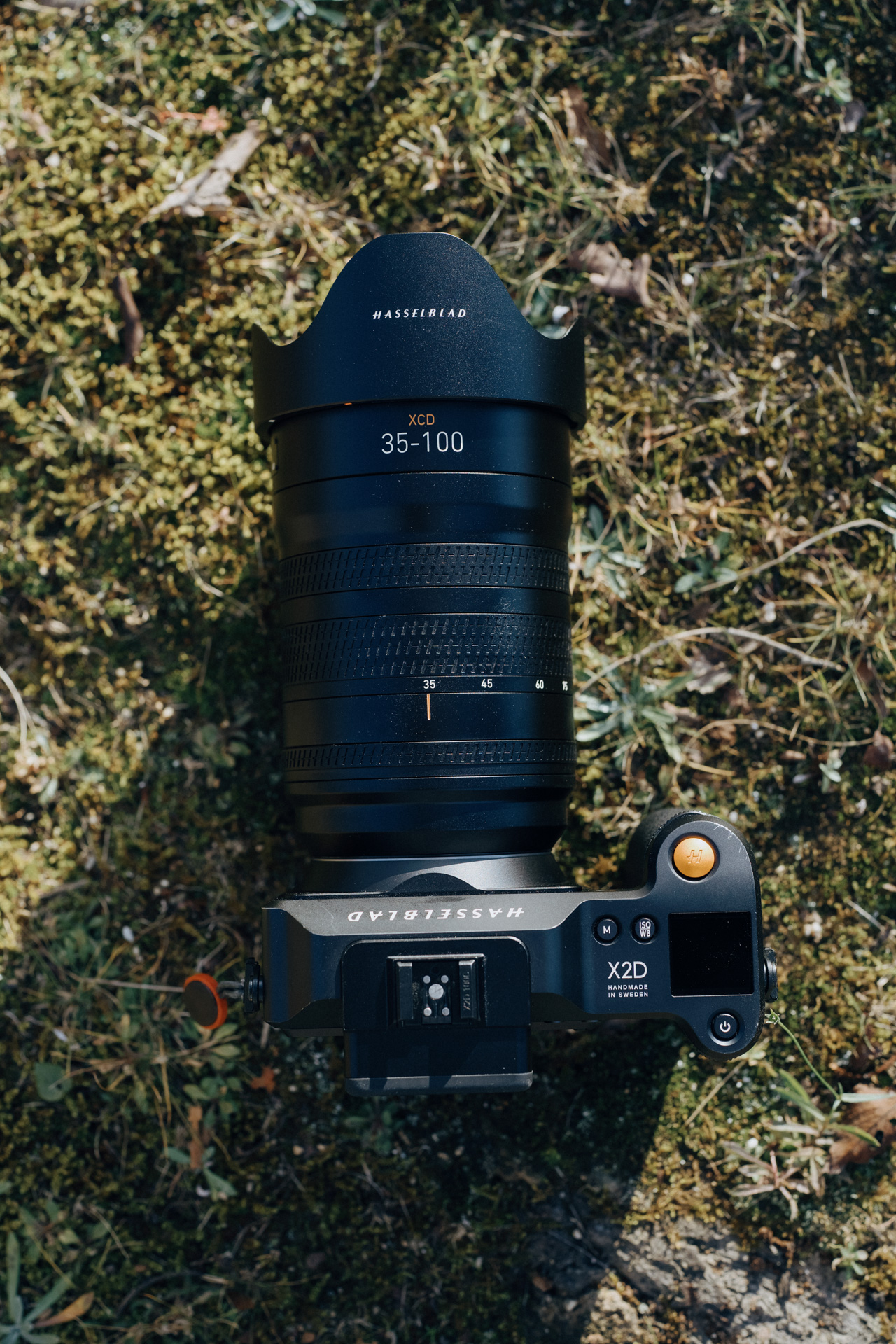
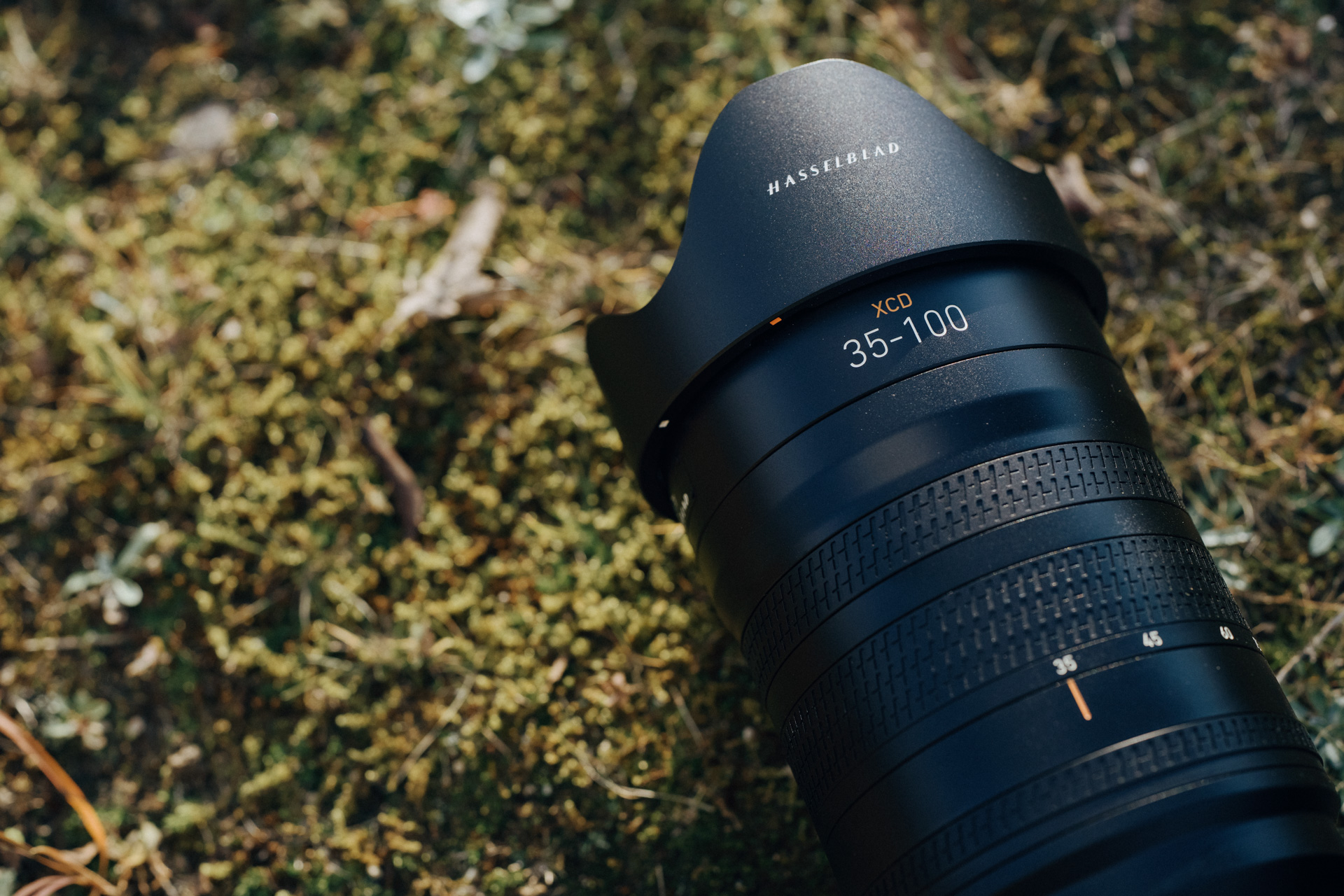
XCD 2,8-4/35-100E
894 g
28 - 80 mm (相對於全片幅)
Balanced performance, exceeding expectations.
Max Aperture
Filter Size
f/2.8 - f/4
86 mm
Min. Focus
Shutter Type
鏡間快門,支援全速同步高達 1/4000s
0.6 m

Key Highlights:
- A Shift in Mindset: From the complexity of pursuing four prime lenses to the minimalist life with a single zoom lens.
- Image Philosophy: Redefining the "sense of depth" in images – stemming from the connection between the subject and its environment, rather than just background blur.
- Practical Experience: How the Hasselblad XCD 35-100mm f/2.8-4's balance in image quality, focusing, and weight distribution accelerates the photographic pace.
- Final Verdict: This is a lens that helps you maintain your "observational rhythm," making it the top choice in the current Hasselblad system for both practical performance and optical quality.
。。。
Hasselblad XCD 35-100mm f/2.8-4:
The Freedom After Letting Go of Primes
It's been several years since I stepped into the world of Hasselblad medium format (starting with the X1D II). I've always been a prime lens enthusiast, at one point owning four lenses simultaneously: 28P, 38V, 55V, and 90V. The quality of prime lenses is, of course, undeniable, but to cover these focal lengths, I always had to carry a whole bag of lenses, which was considerable in terms of size, weight, and cost.
In 2024, while traveling in South Korea with this lineup, I suddenly realized: too many choices can sometimes become a burden in your luggage. During that trip, I frequently pondered which lens to switch to, which consequently added many unnecessary constraints to my travel experience. Upon returning to Taiwan, I told myself to try and simplify, eventually keeping only the 28P and 55V.
"Too many choices can become a burden for travel."
。。。

。。。
About Curiosity
Fast forward to the end of 2025, and the Hasselblad XCD 35-100mm made its debut. Seeing the focal range of this lens instantly brought back the insights from that Korean trip. I couldn't help but wonder: what kind of optical performance could this zoom lens offer? Would the bokeh at the telephoto end (100mm F4) be sufficient?
Driven by this curiosity, and for an upcoming trip to Japan, I decided to sell my 28P and acquire this XCD 35-100mm.

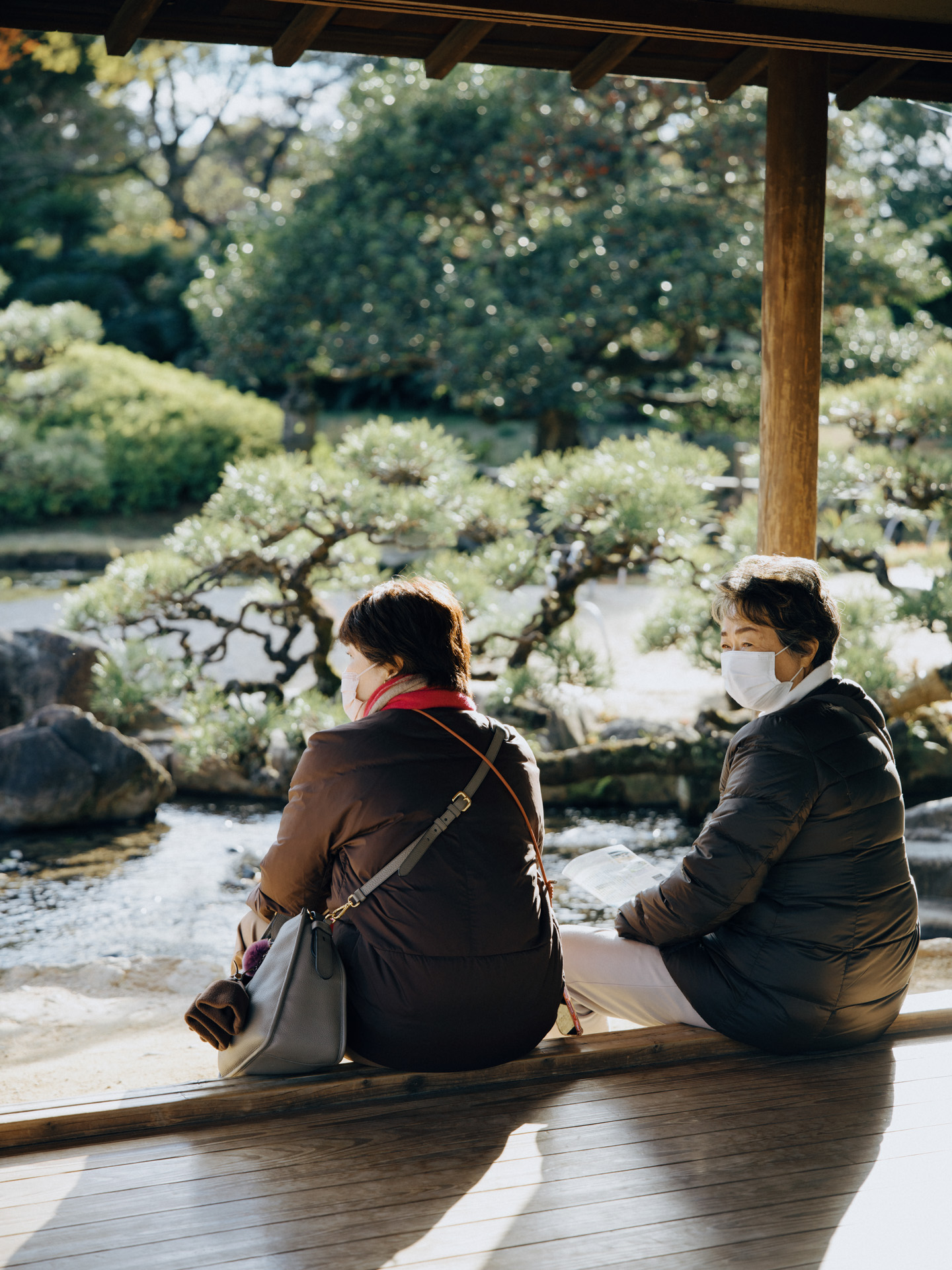
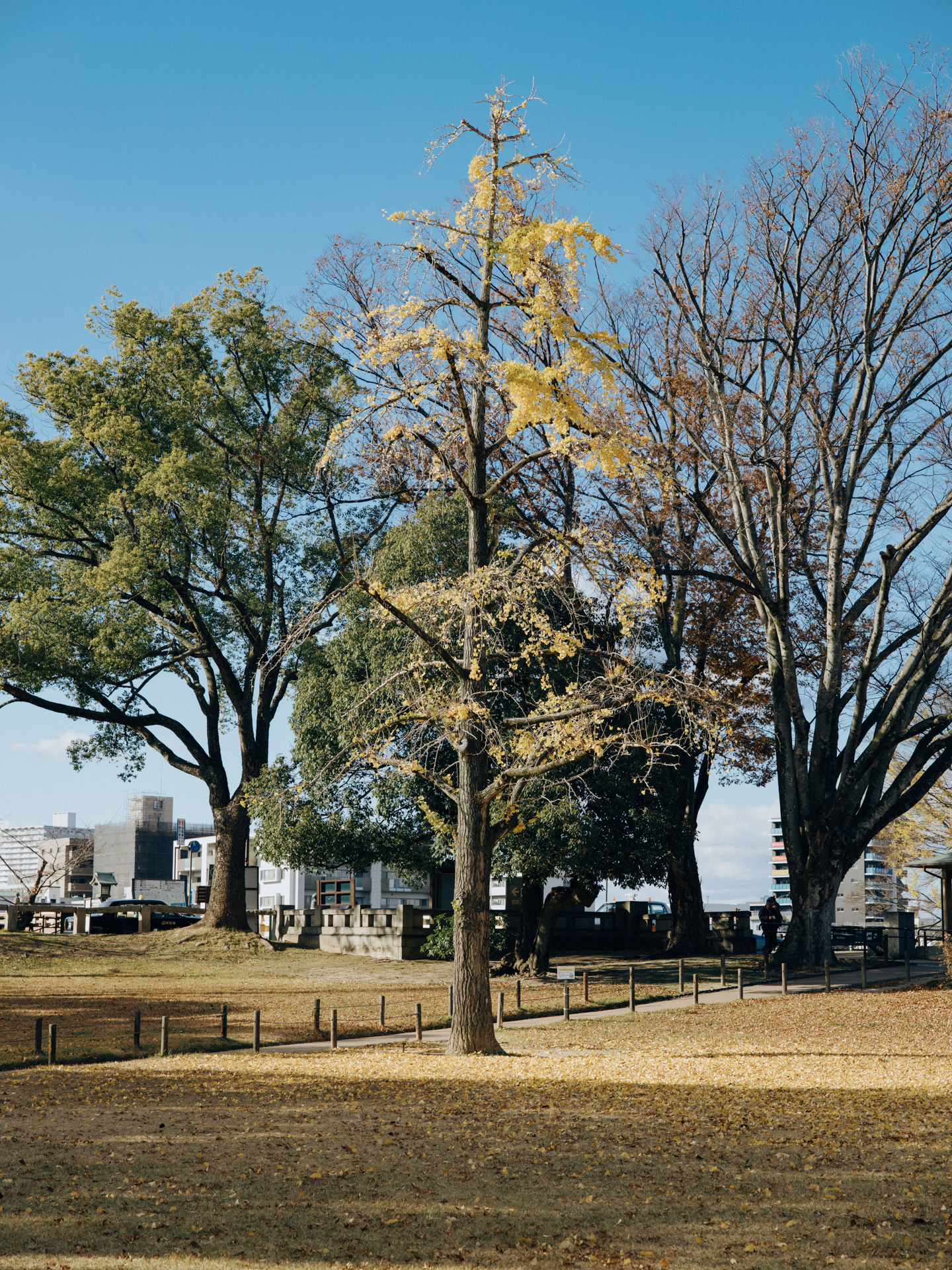
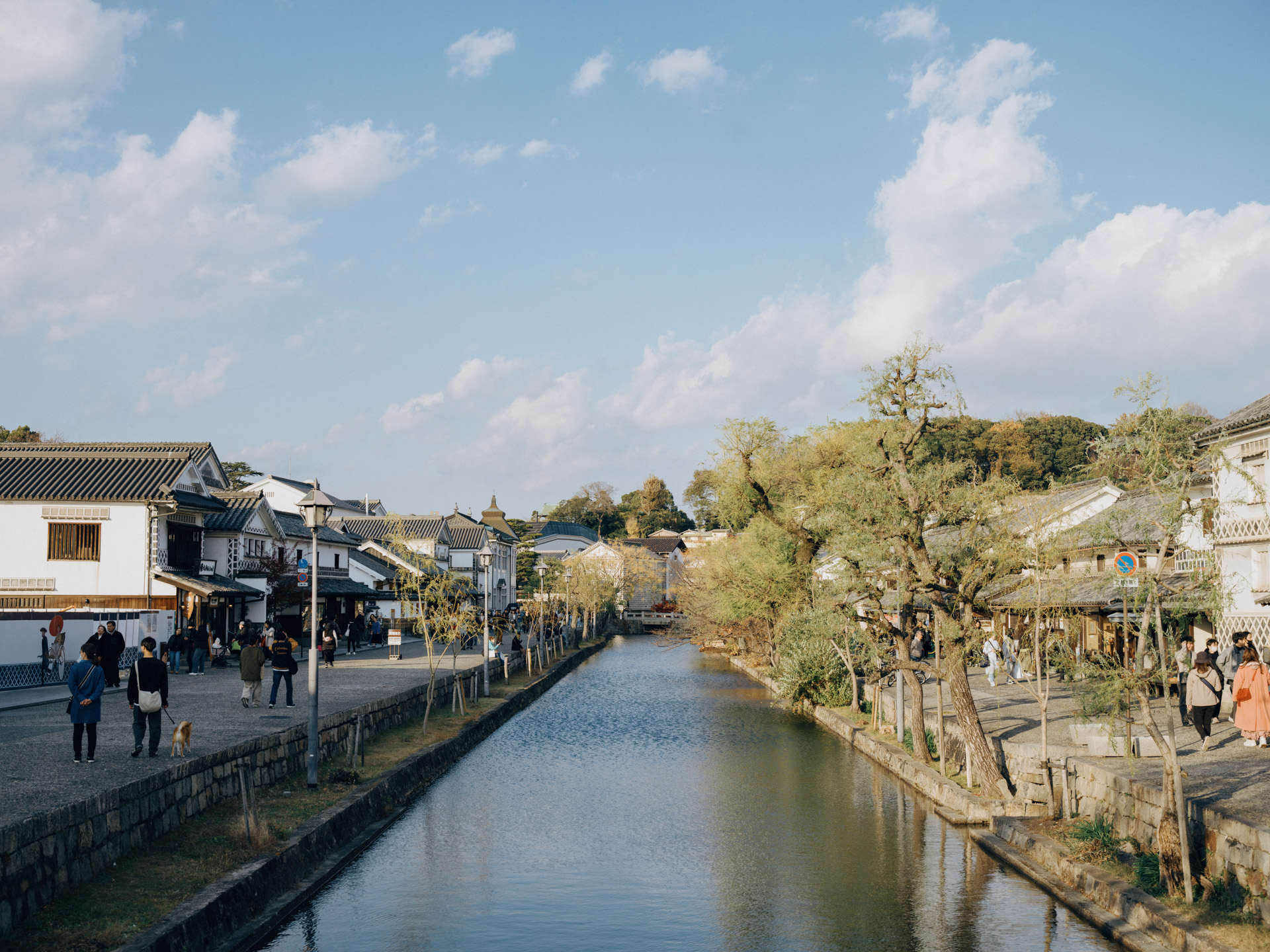
Recalling my early days with Hasselblad, I was also obsessed with pursuing extreme large-aperture bokeh, having bought the HC 100mm F2.2 and XCD 80mm F1.9. That creamy bokeh was indeed captivating. However, over time, my perspective on photographic images slowly changed.
"Large aperture is visual stimulation; retaining space makes images enduring."
。。。
Emotional Depth Beyond Bokeh
Observing high-quality images in magazines, whether they featured dreamy shallow depth of field or richly layered environmental shots, they all shared a commonality: beyond the perfectly balanced blur, the main subjects retained incredibly fine details.
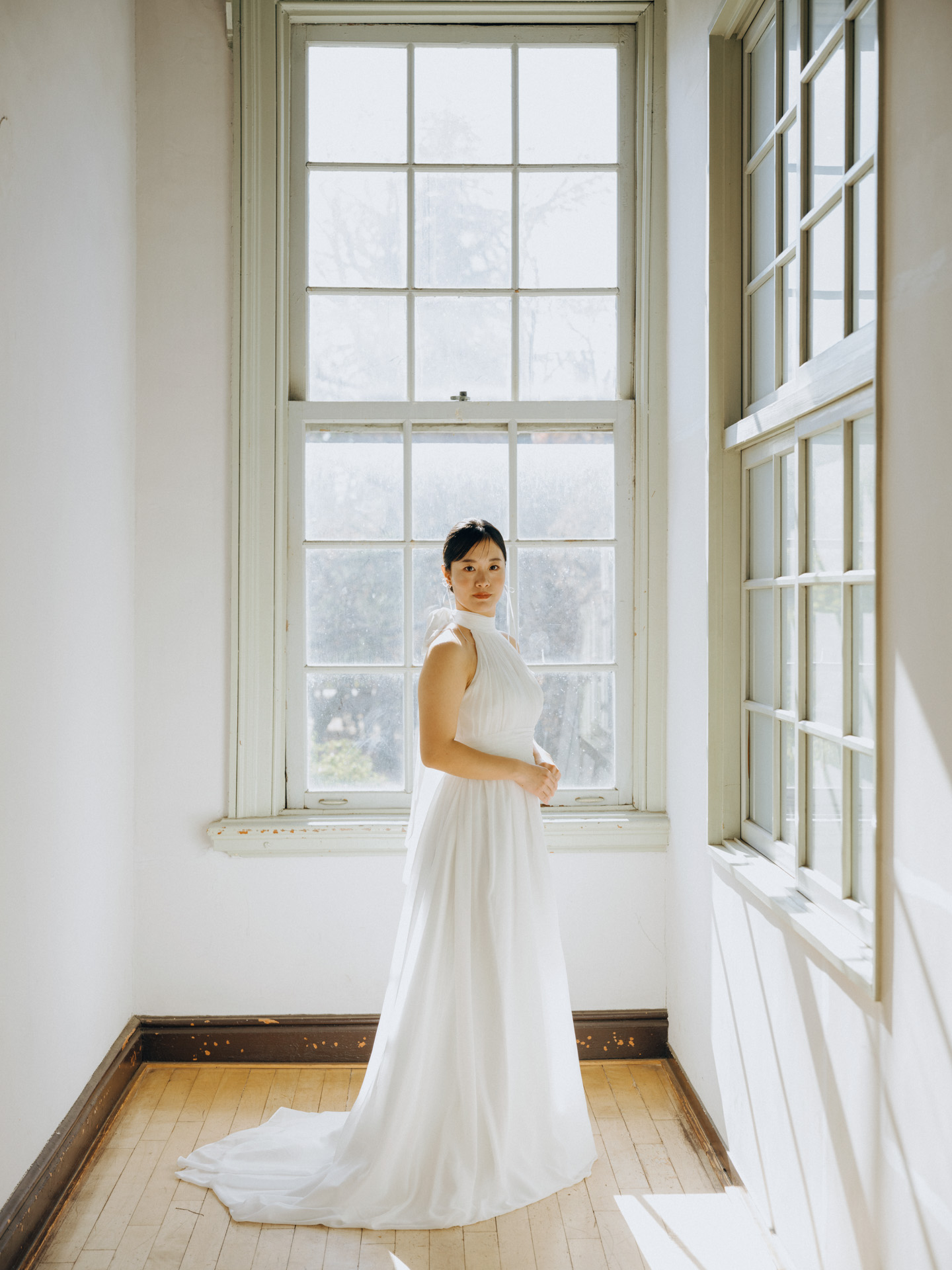
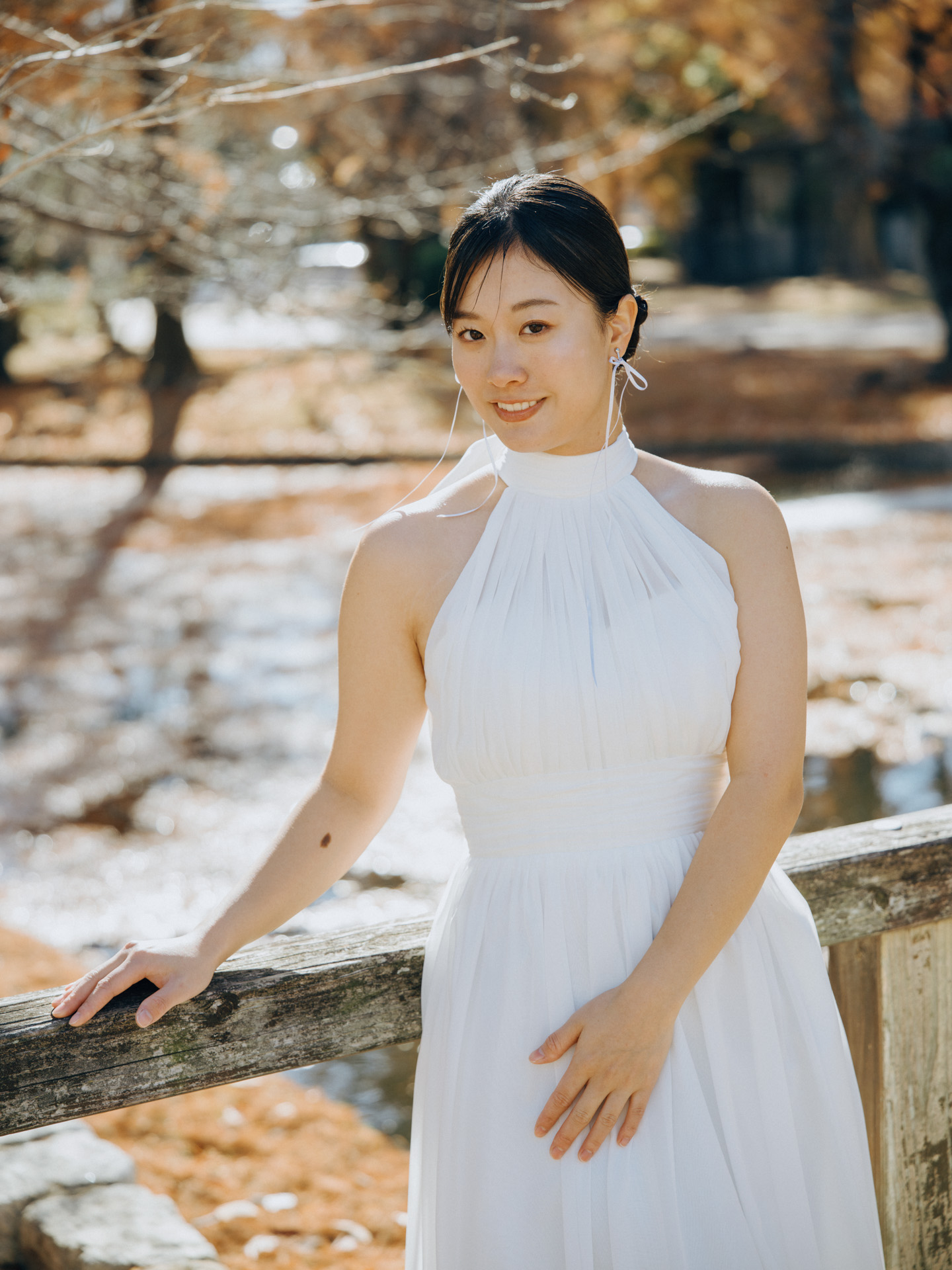
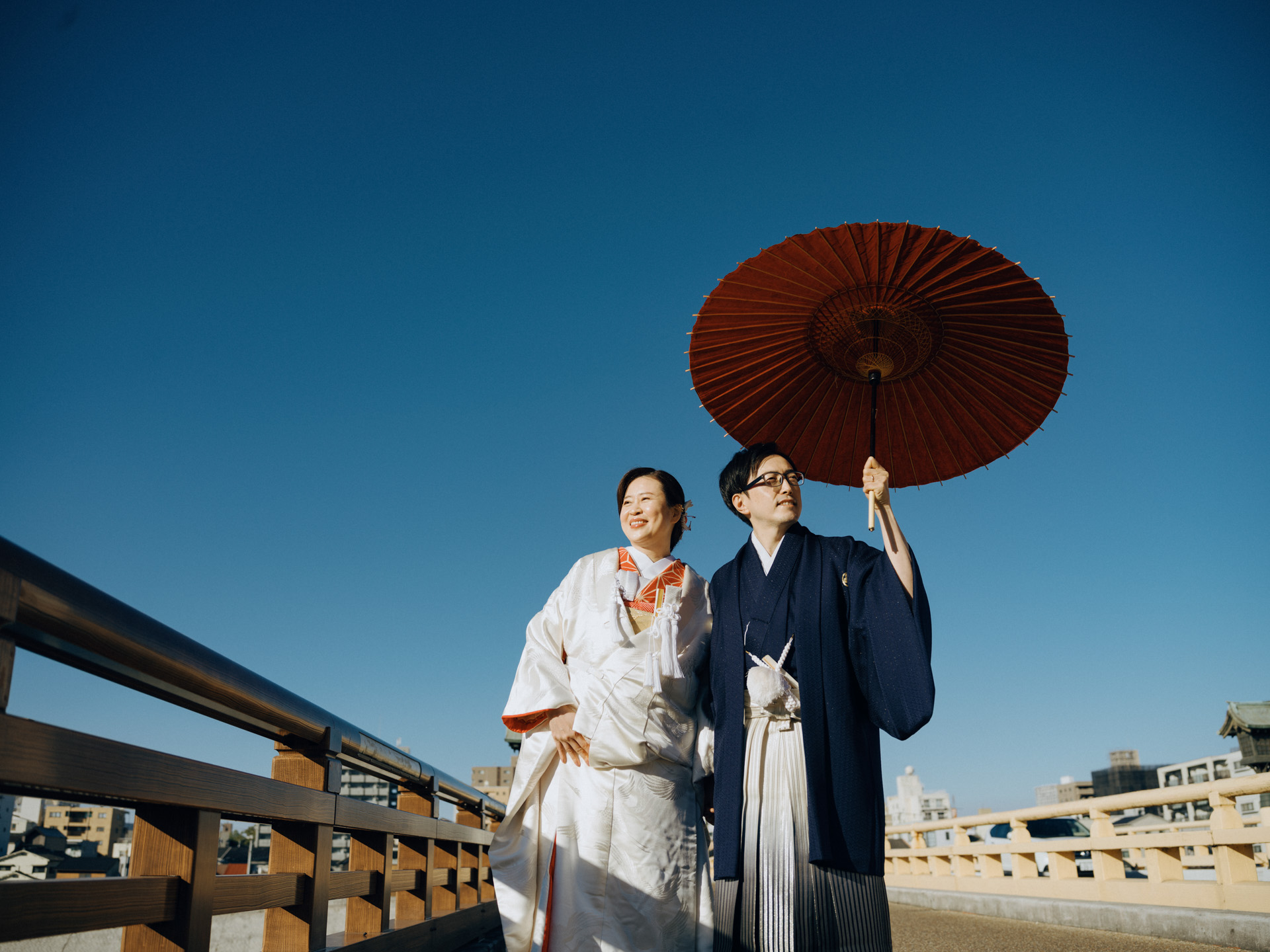
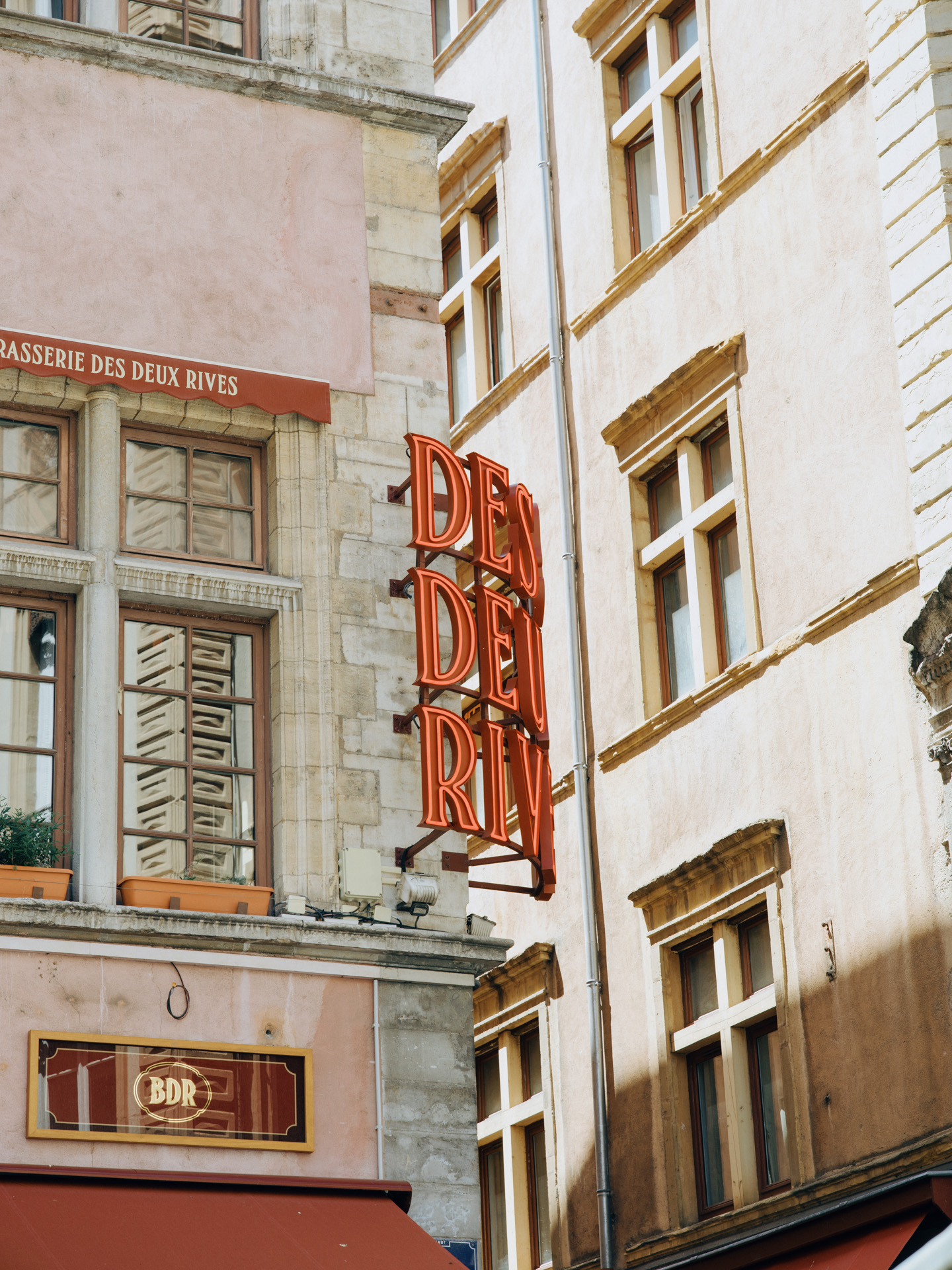
I began to understand that the three-dimensionality of an image doesn't solely come from a blurred background, but rather from the "connection between the subject and its environment." Too large an aperture can sometimes abruptly sever this relationship; true image depth comes from the meaningful layering of various elements within the frame, not just the size of the aperture or the extent of the blur.

。。。
A Choice Born from Understanding
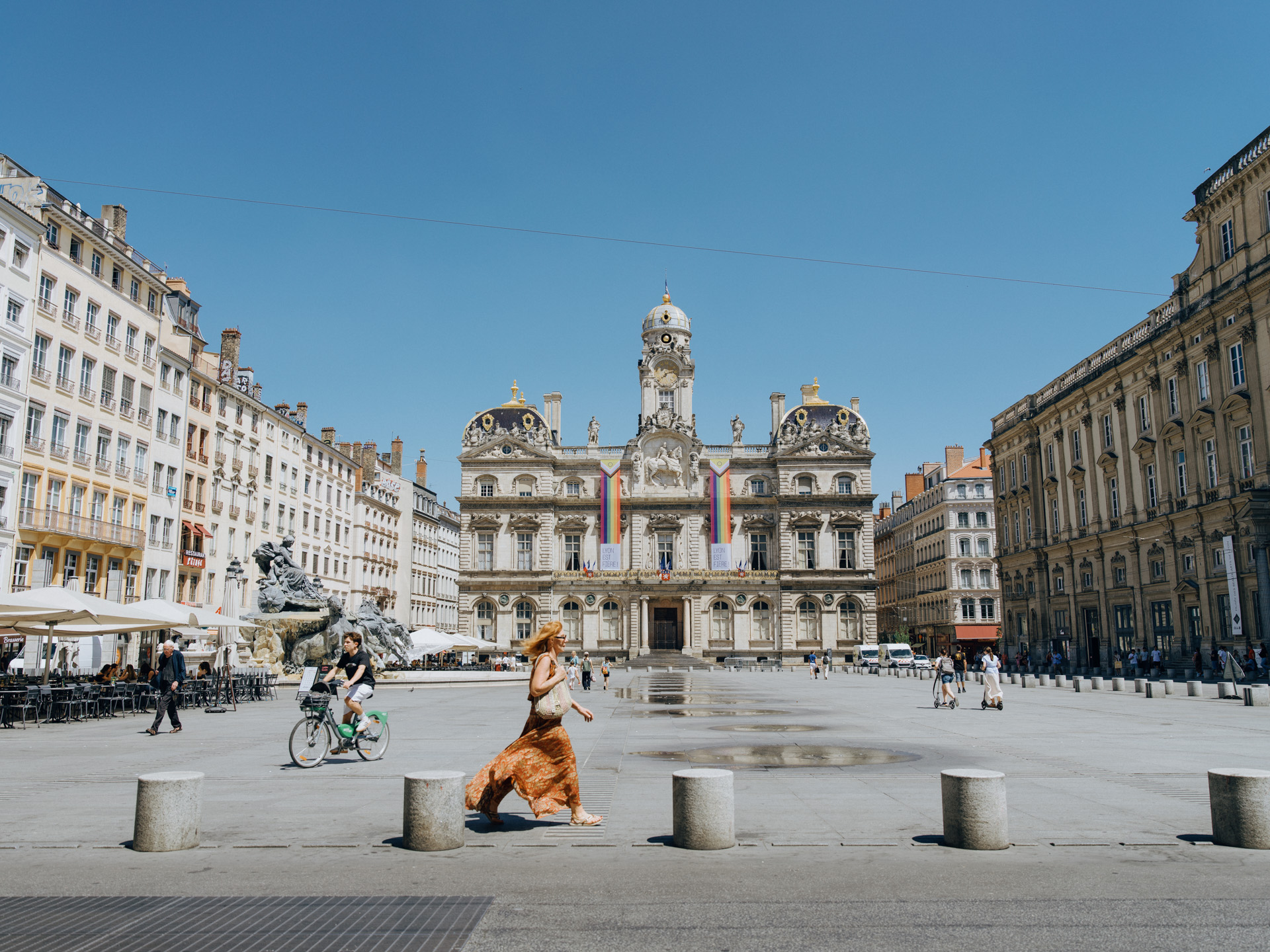
So, I started experimenting with smaller apertures to capture more details within the frame. This shift in mindset was the primary motivation for me to try the XCD 35-100mm.
。。。
Regarding the Flow of Documentation
In the past, when I carried two or three prime lenses, whenever the focal length wasn't ideal, I had to stop, open my camera bag, change lenses, and then pack the swapped-out one. This standard procedure was something I was well-versed in, but undeniably, it interrupted the continuity of observation.
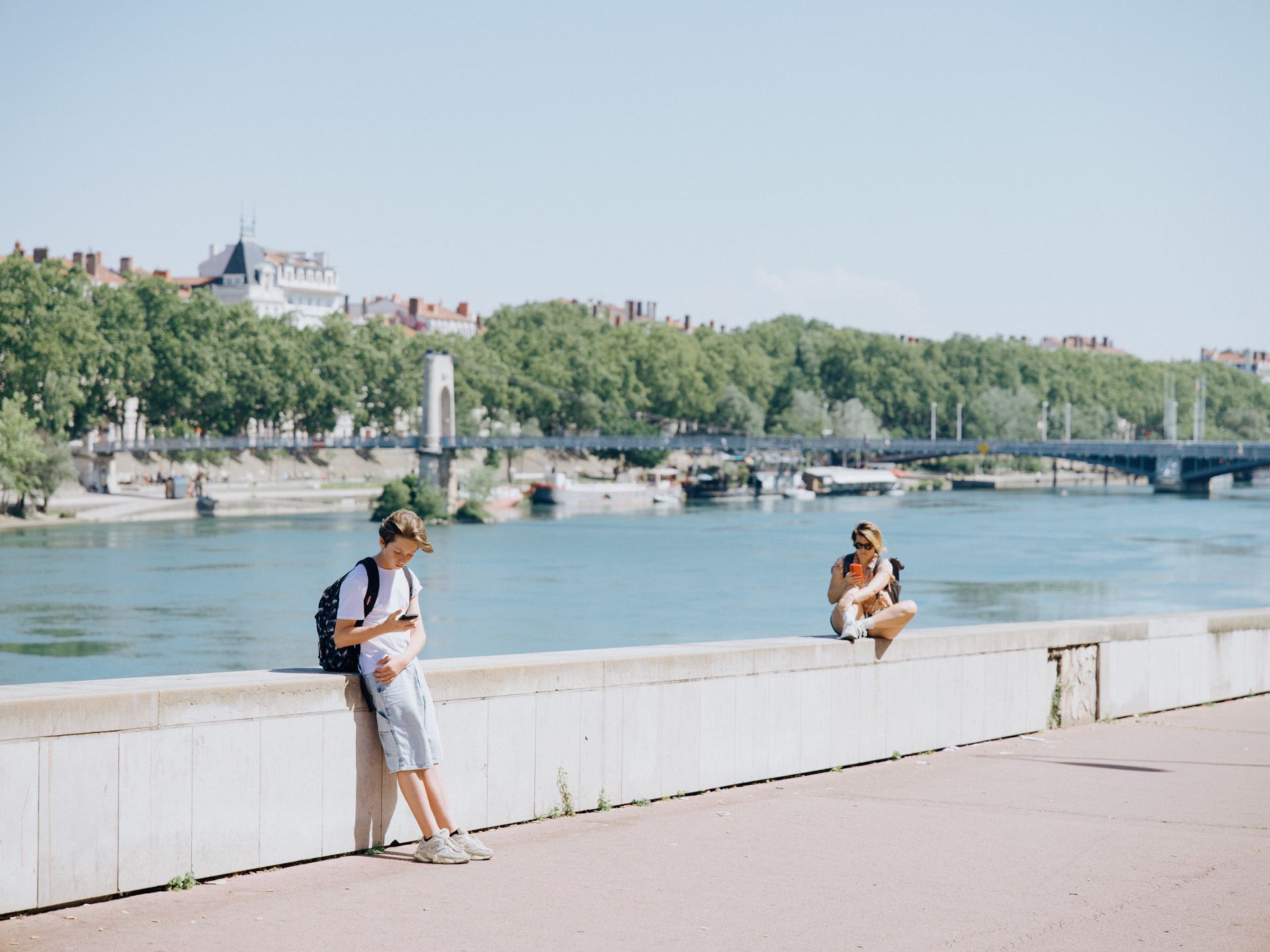
With only the 35-100mm in hand, my photographic pace accelerated. The time saved from changing lenses transformed into a leeway (余裕) for observing light and the texture of focal lengths. The convenience brought by the zoom allowed me to more flexibly experiment with different compositional languages in a short amount of time.
"One less lens change means one more moment to appreciate the light and shadow.。"
。。。
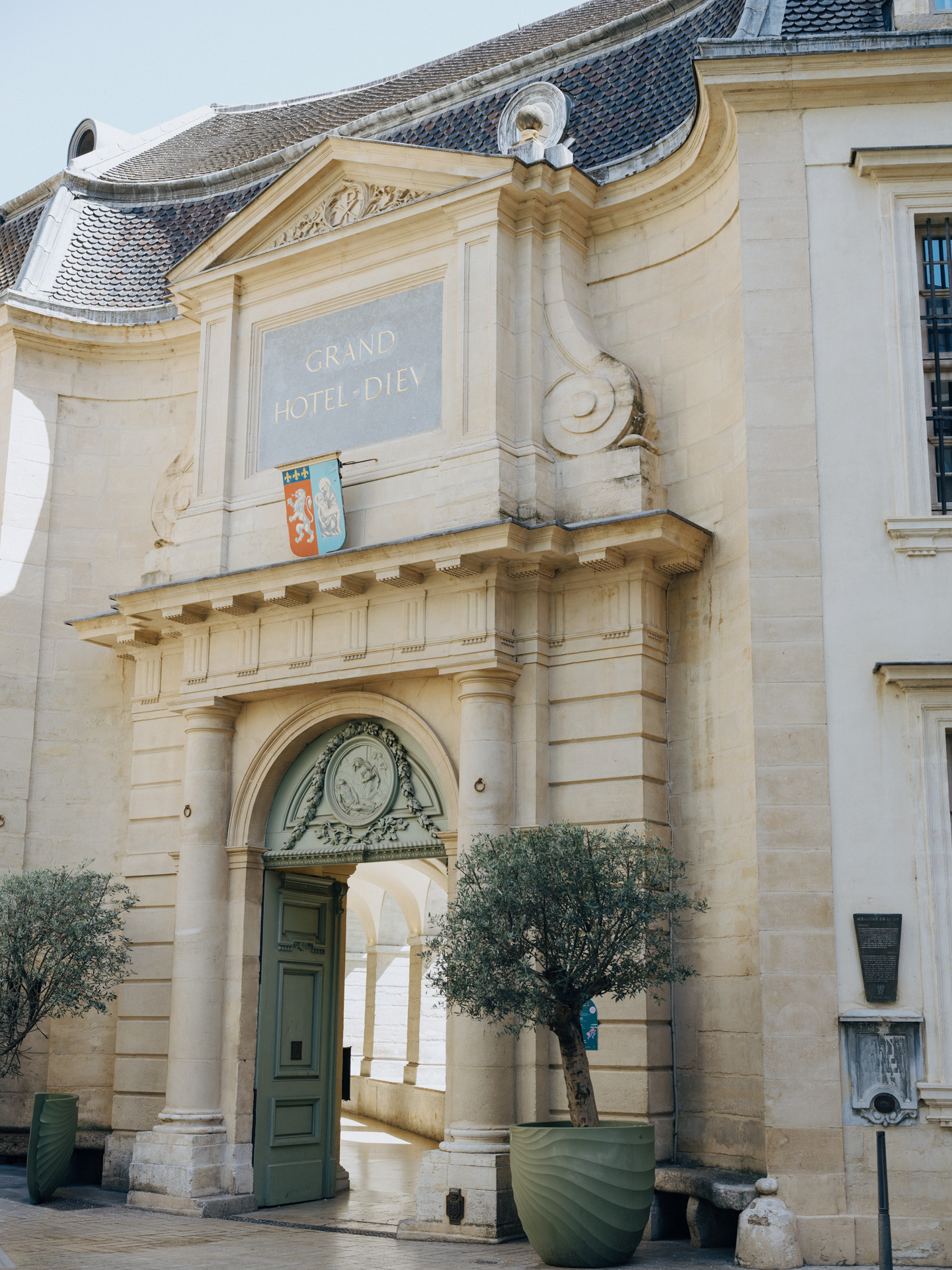
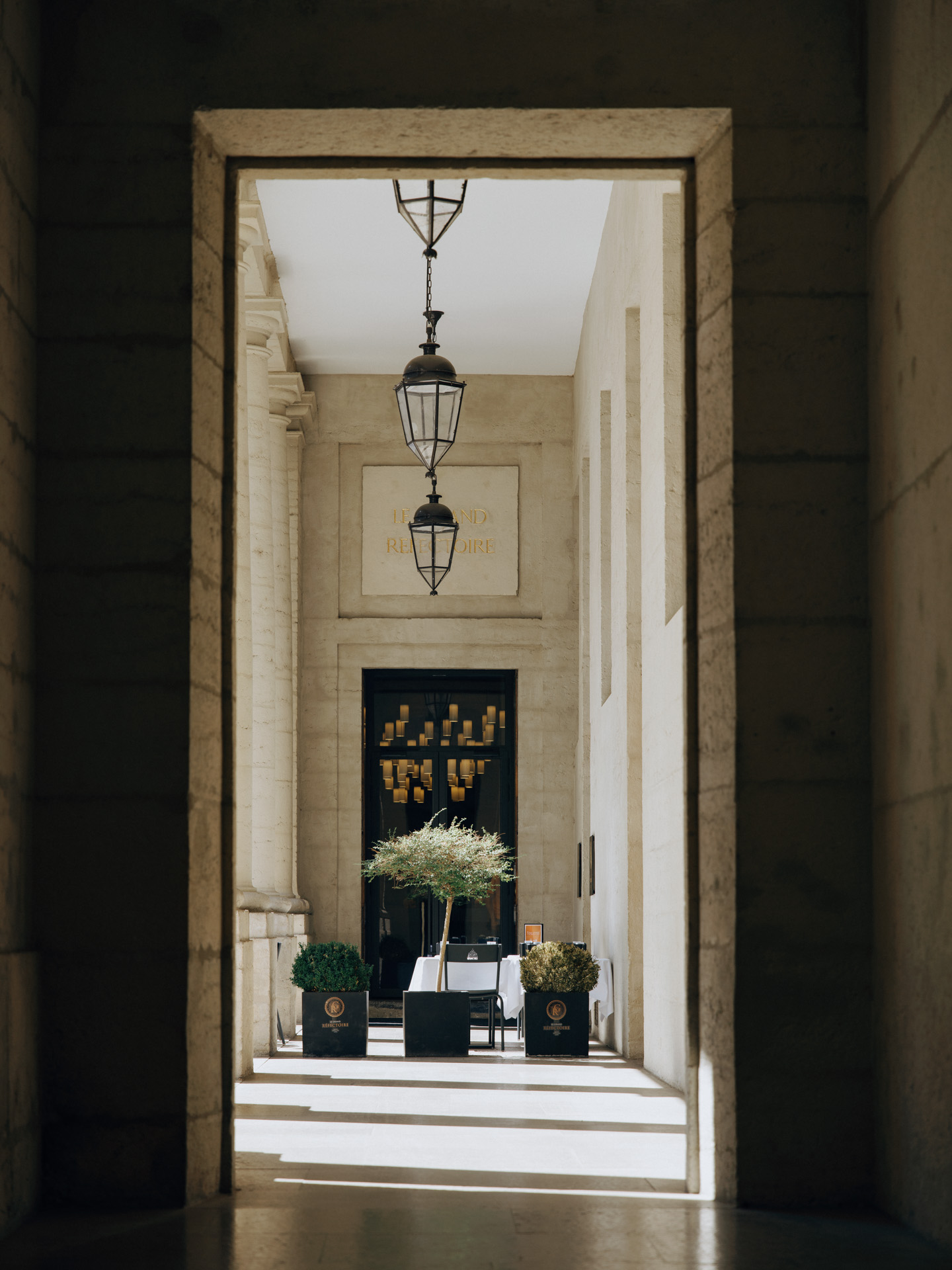
。。。
The Regret of External Zoom
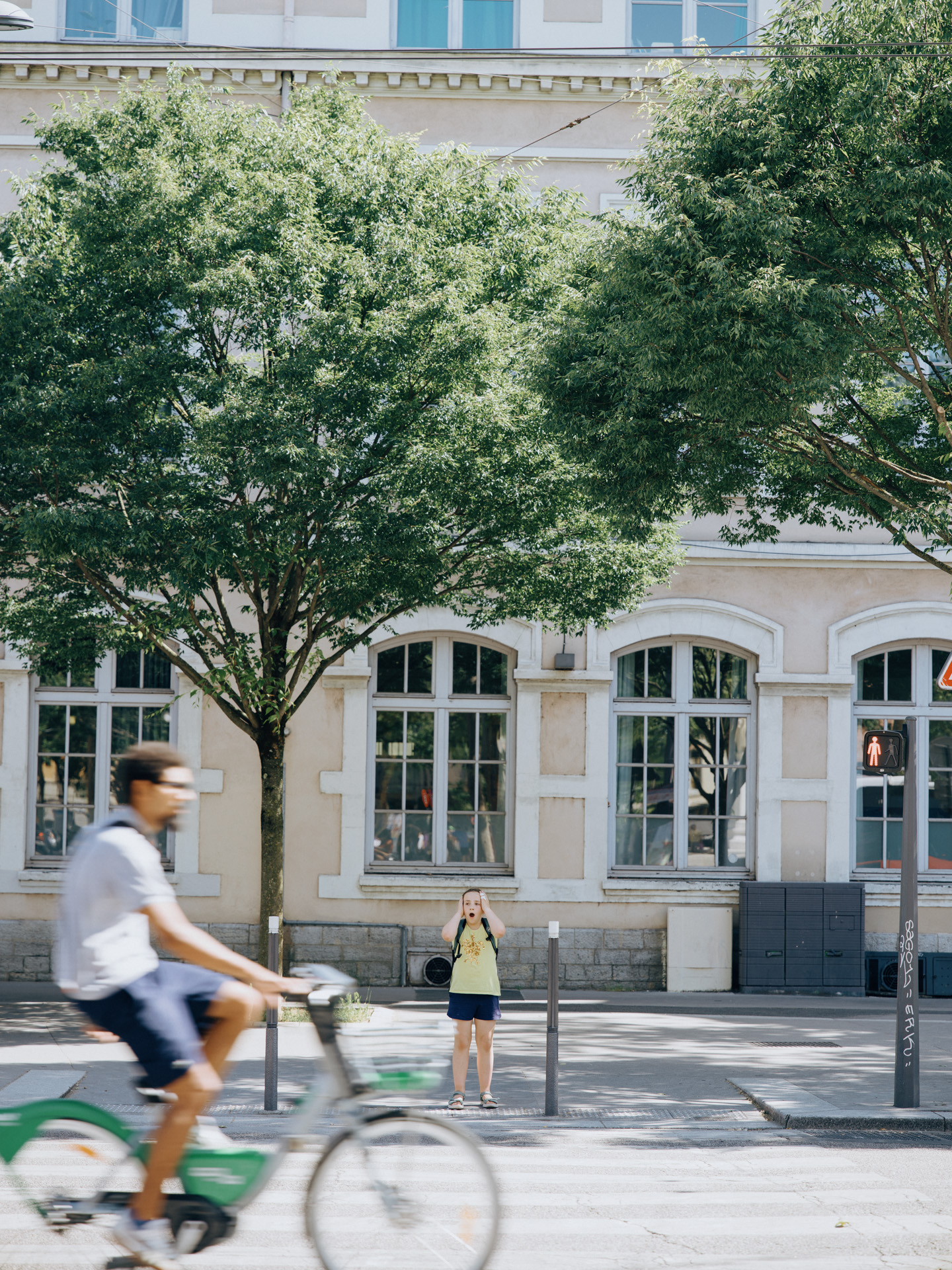
Of course, this lens isn't perfect. The external zoom design, while making it more compact and lighter, and simplifying optical design, inevitably increases the risk of dust ingress. When extended to 100mm, the lens barrel does become quite long. While this is more of a psychological preference, internal zoom does offer a more elegant feel in terms of handling.

。。。
Concerns about Image Quality
I've previously seen discussions online suggesting that the image quality of this lens isn't as outstanding as prime lenses. However, I believe photography shouldn't just be a data comparison of pixels; what's more crucial is whether the combination can help you capture moving light and color.
"More than pixels, I value light and shadow; atmosphere is the soul."
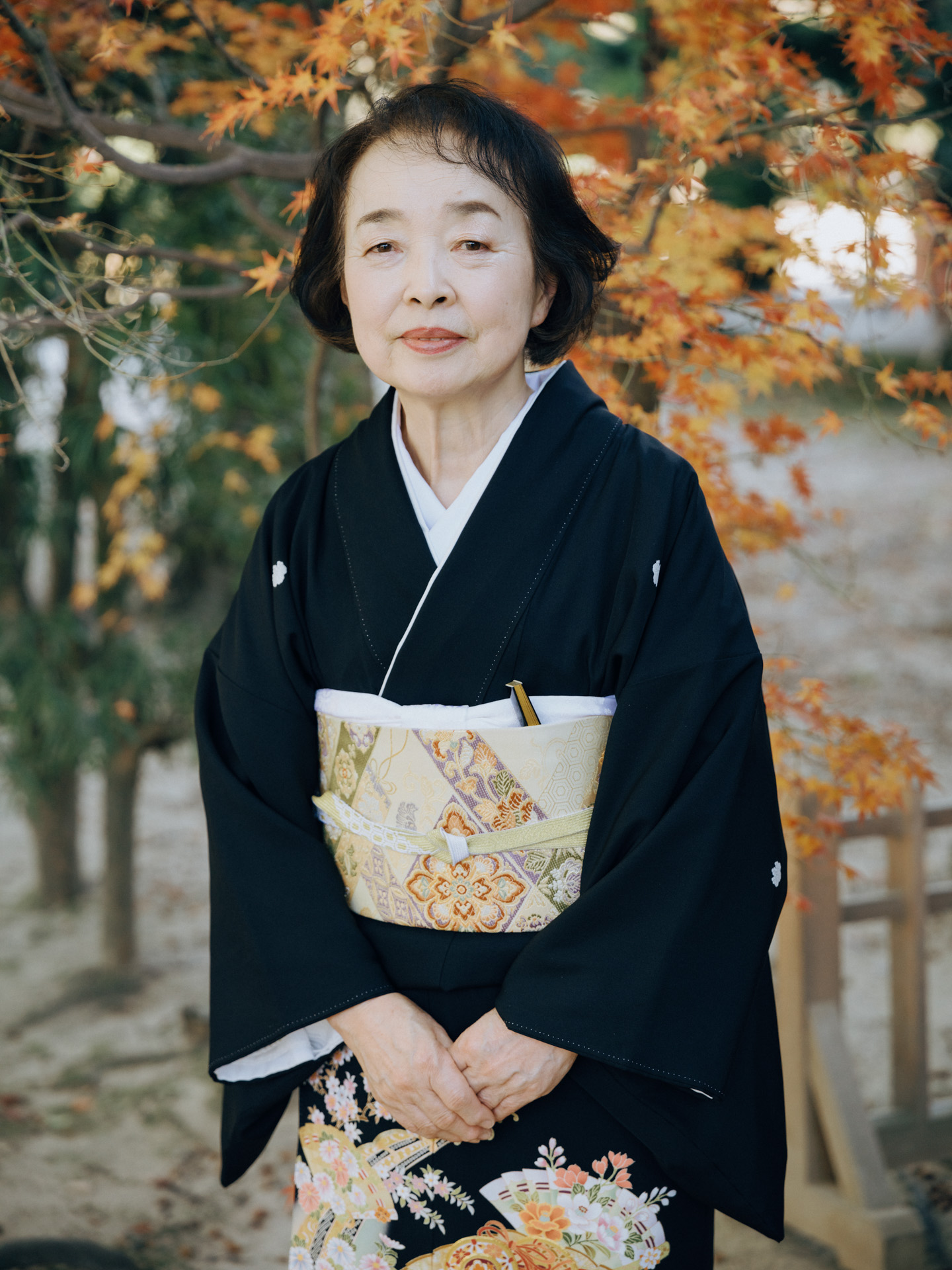
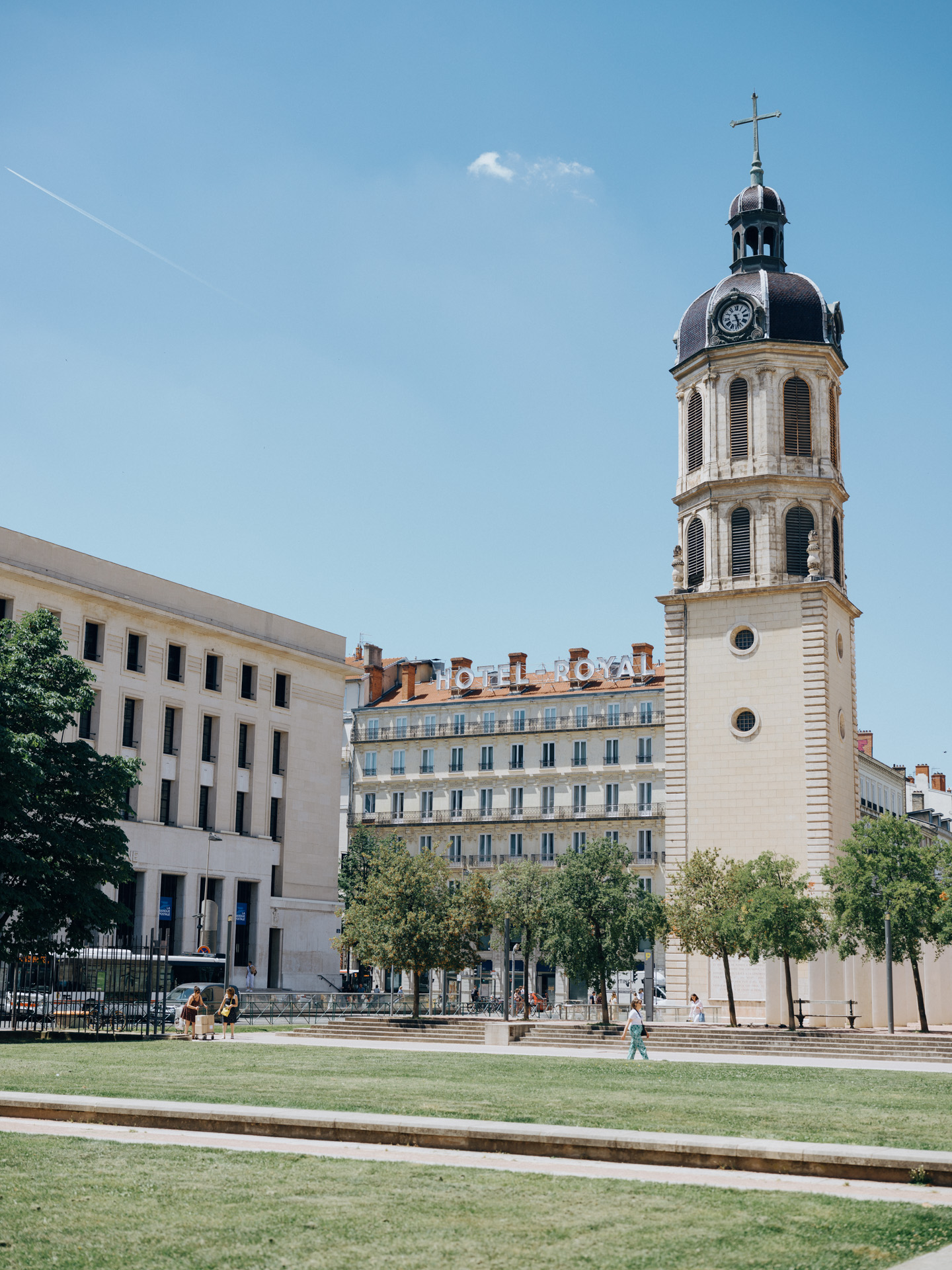
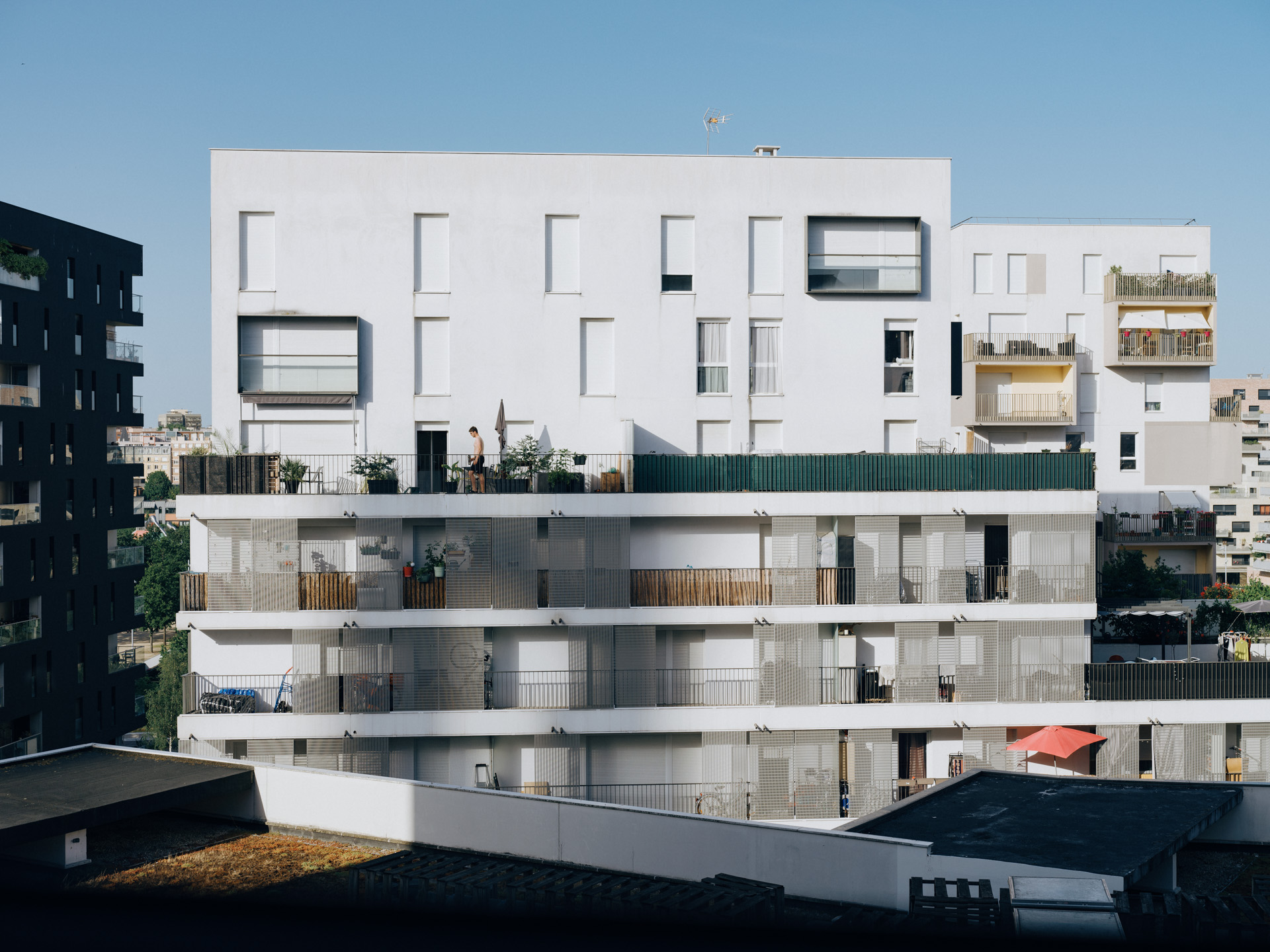
As someone who has used many renowned prime lenses, the photos taken with the 35-100mm still make me exclaim "Wow." Perhaps when magnified 100% for absolute image quality, it might not be at the peak, but it certainly doesn't lack the necessary details and finesse. This impressed me; although it's a zoom lens, I can still enjoy near-prime quality images. For me, it's like having three high-quality prime lenses combined.

。。。
Focus Speed
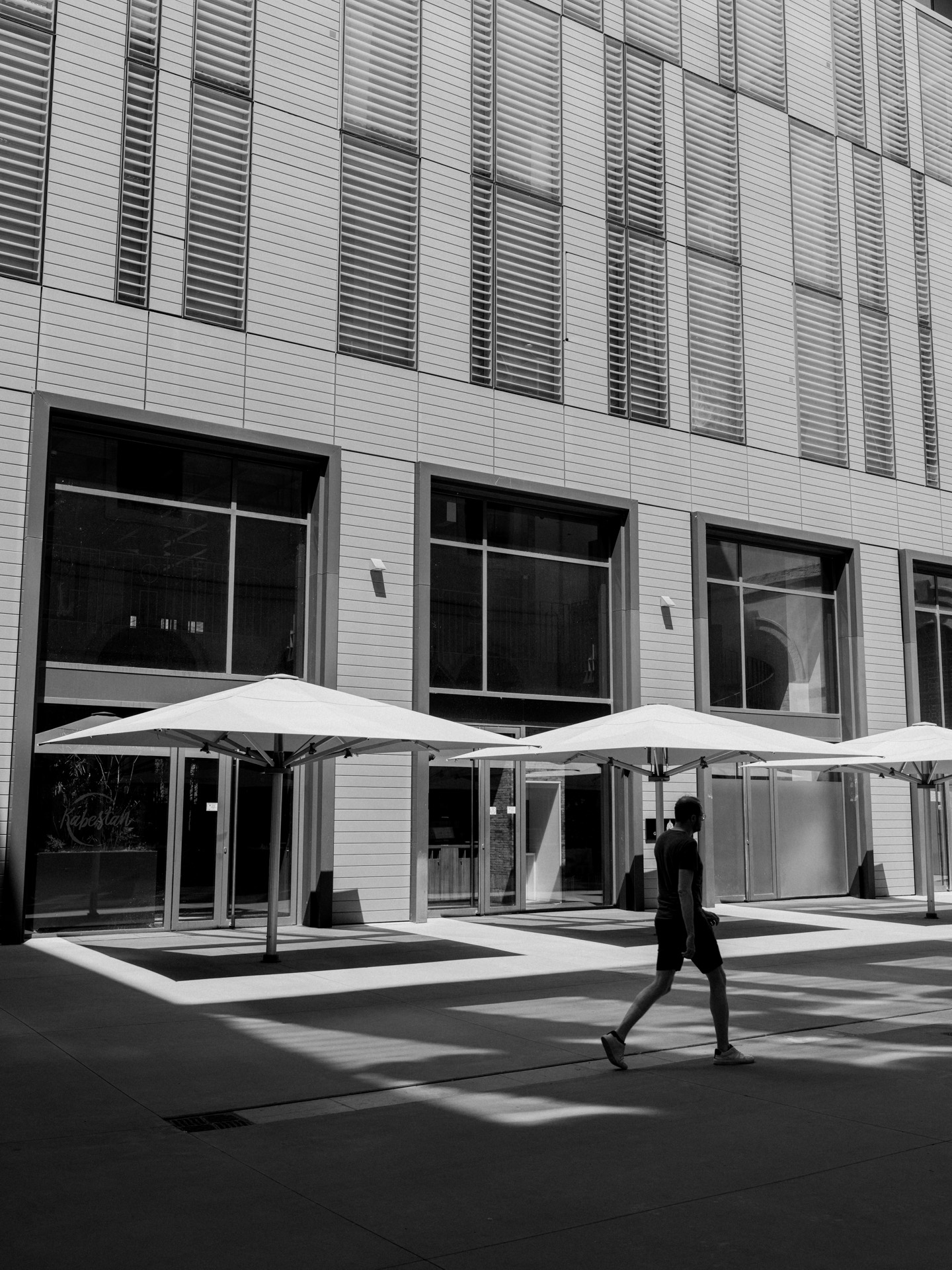
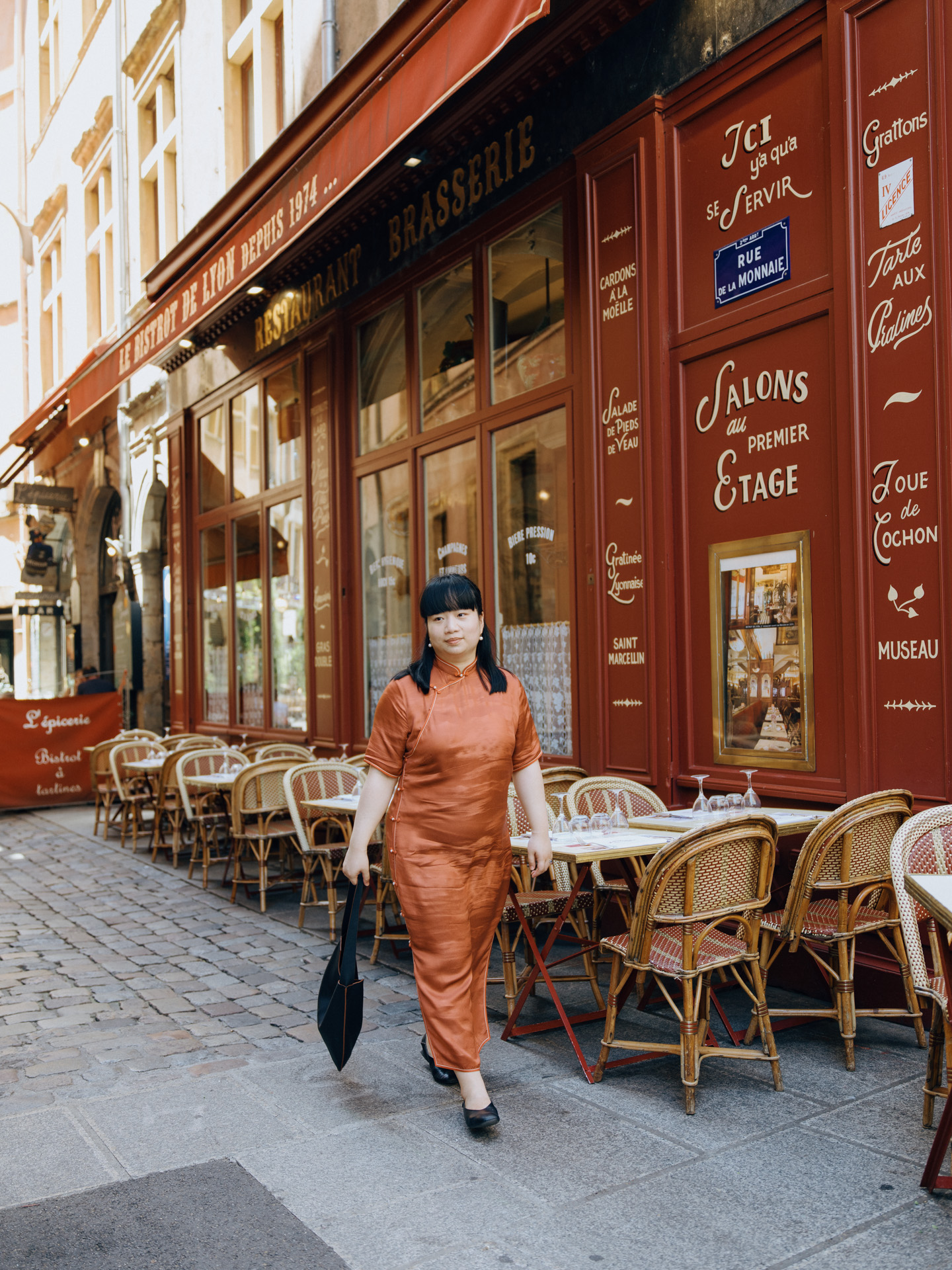
Unfortunately, my current X2D 100C cannot fully utilize this lens's AFC (continuous autofocus) potential. However, even with the existing single-point autofocus, its speed is still satisfactory (compared to earlier XCD lenses). When occasionally needing to capture moving subjects, the 35-100mm still performs admirably.
。。。
The Trade-off of Size and Weight
If I had to pinpoint this lens's biggest drawback, I'd say it's its size. For those accustomed to using a 20L camera bag, its presence is quite strong, and you can distinctly feel the tight space when retrieving it.
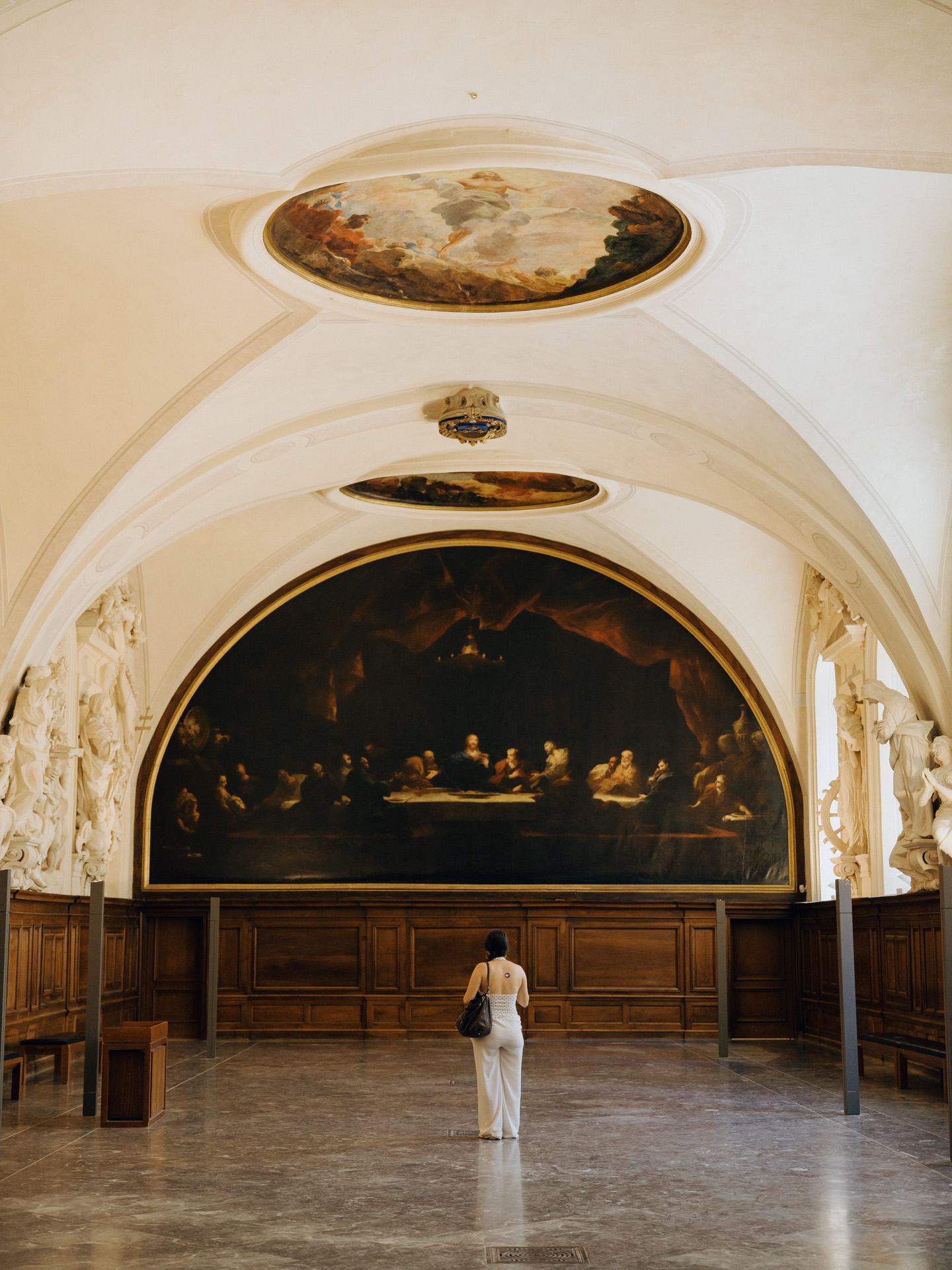
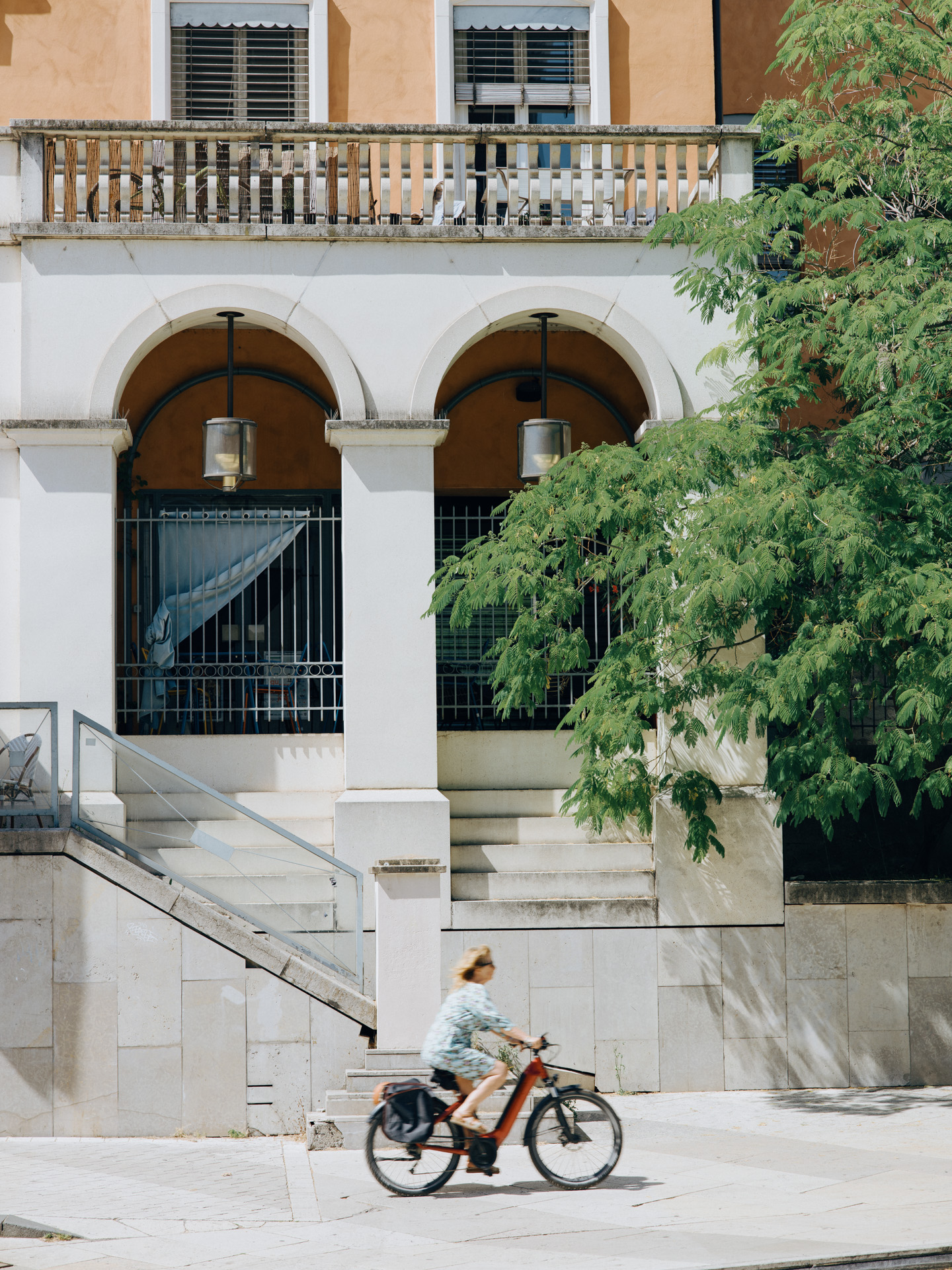
As for weight, at 894 grams, it's actually lighter than one might expect for its size. This is a relative concept – when we consider the astonishing 1115 grams of the XCD 35-75mm, the 35-100mm suddenly feels much lighter. Interestingly, when attached to the X2D, the overall balance is surprisingly good, without a front-heavy sensation. This sense of stability, in fact, becomes an advantage during shooting.
。。。
My Perspective on the Hasselblad XCD 35-100mm f/2.8-4
This is a lens that exceeded my expectations. Whether it's the build quality, optical performance, focusing speed, or overall balance, it performs remarkably well. If you prefer lightweight setups, dislike frequent lens changes, and want to cover a rich range of everyday focal lengths, then this lens absolutely deserves to be among your top two considerations when entering the Hasselblad system. Of course, you'll have to make a slight compromise on size and weight.
If you are still a staunch advocate for lightweight setups, then the XCD 38V or XCD 55V would be better choices, and I personally lean more towards the XCD 55V's perspective.
So, after reading this sharing, would you want to put this lens in your bag? Don't overthink it, just buy it!
Recommended Links
烏佛爺的 Hasselblad XCD 35-100mm f/2.8-4 深度評測
。。。


















Share this story