Among Leica SL system lenses, the APO series stands for perfect image quality. What kind of visual shock can it deliver? Can it overturn our impression of quality? Photographer Daran shares the unique charm of this top-tier Leica standard lens, the APO-Summicron-SL 50 f/2 ASPH.
By Daran Wu
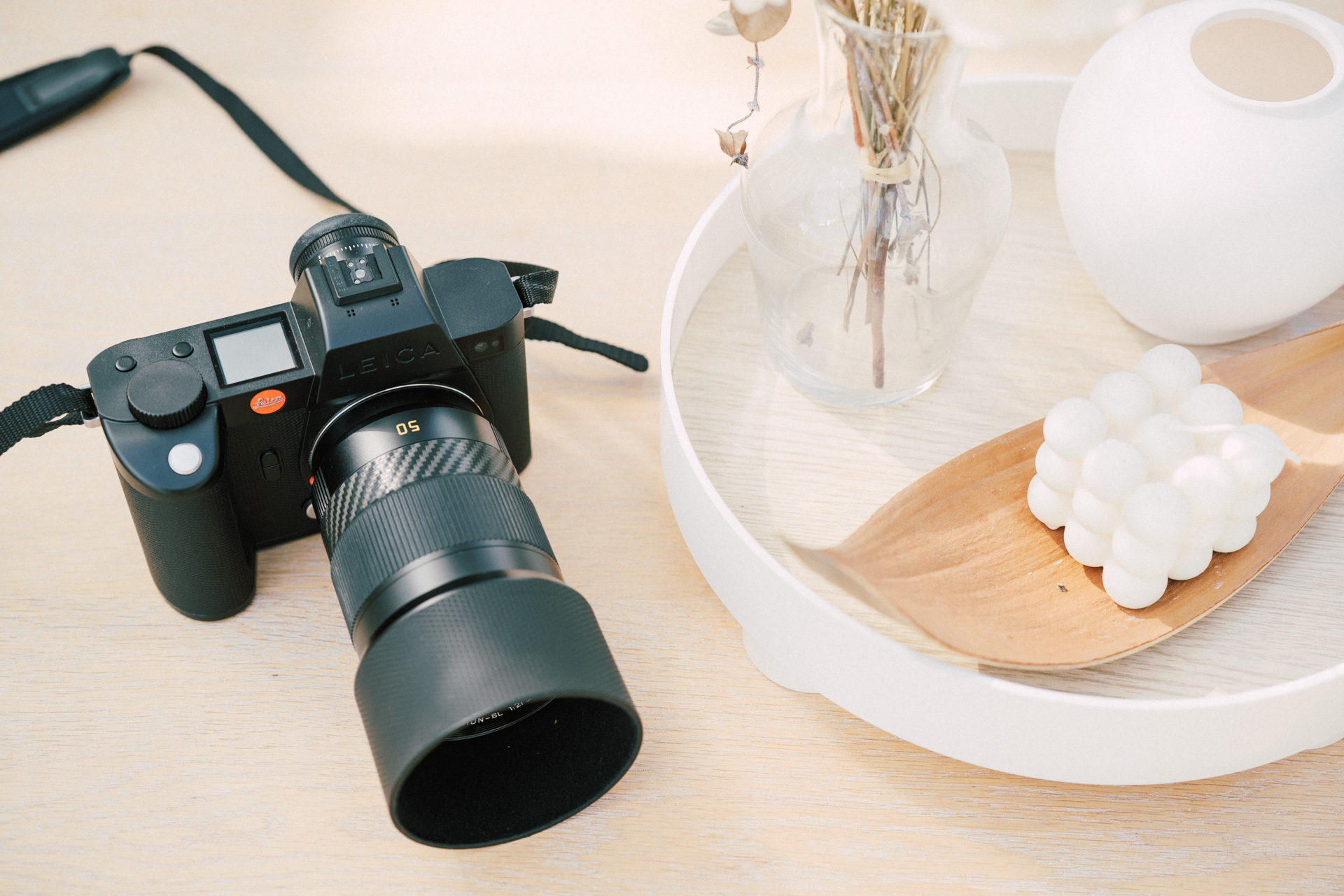
Origins
If I had to describe this lens in one sentence, I'd say:
"This is a perfect full-frame lens that renders with medium format character!"

I first met the APO-Summicron-SL 50 f/2 ASPH in 2020, when a friend lent it to me for a week. After several real shoots, its rendering, image solidity, and color left an unforgettable impression. Back then I couldn't afford the Leica SL system, so I bid farewell to the Leica SL2 and the APO-Summicron-SL 50 f/2 ASPH, savoring the aftertaste.
Further reading
Leica SL2 + APO SL 50mm F2 First Experience
.
Specs

Carrying fond memories of the APO-Summicron-SL 50 f/2 ASPH, an opportunity arose in early 2022 to enter the Leica SL system. I chose the excellent-value SL2s as the body — and when picking my first SL lens, I didn't hesitate for a second: the APO-Summicron-SL 50 f/2 ASPH, because I wanted the most perfect lens. An unbreakable bond, indeed.
For my first Summicron-SL lens, a few things are worth mentioning:
- Precise autofocus
- Extreme sharpness
- Compact size
Let me share my thoughts on each aspect.
.
Precise Autofocus
Unlike Hasselblad's autofocus performance, Leica SL's AF is roughly on par with Japanese cameras — subjectively about 70% of Sony's level. After updating to the latest firmware, face/eye detection is available; combined with continuous AF, you can lock onto a subject and keep recomposing. However, since the Leica SL2s still uses contrast-only AF, subject tracking isn't stable enough and gets easily distracted in complex scenes.

Here are a few things to keep in mind when using it:
- Works best within three meters; beyond five meters it starts to misjudge
- Against simple backgrounds, the hit rate is excellent
- During continuous AF lock you'll feel the SL lens working constantly — the stepping motor is audible, unlike Sony's silent ultrasonic AF.
- During continuous AF the screen's exposure preview changes, which feels unsettling, but it doesn't affect the final exposure (judge by the preview before focusing).
Those are minor drawbacks limited by the camera's AF performance. Judged as a lens alone, the SL-Summicron's focusing speed is quite good.

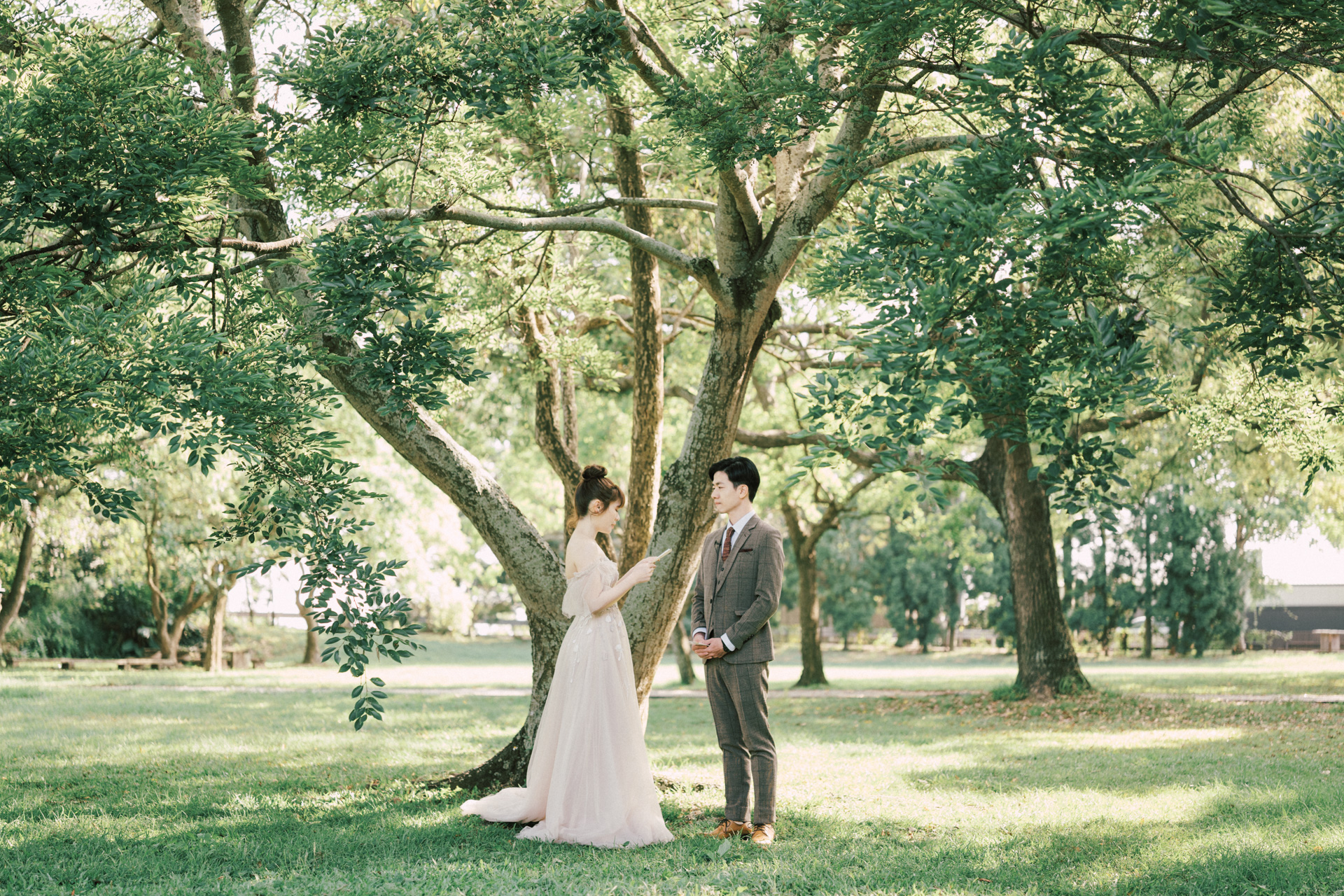


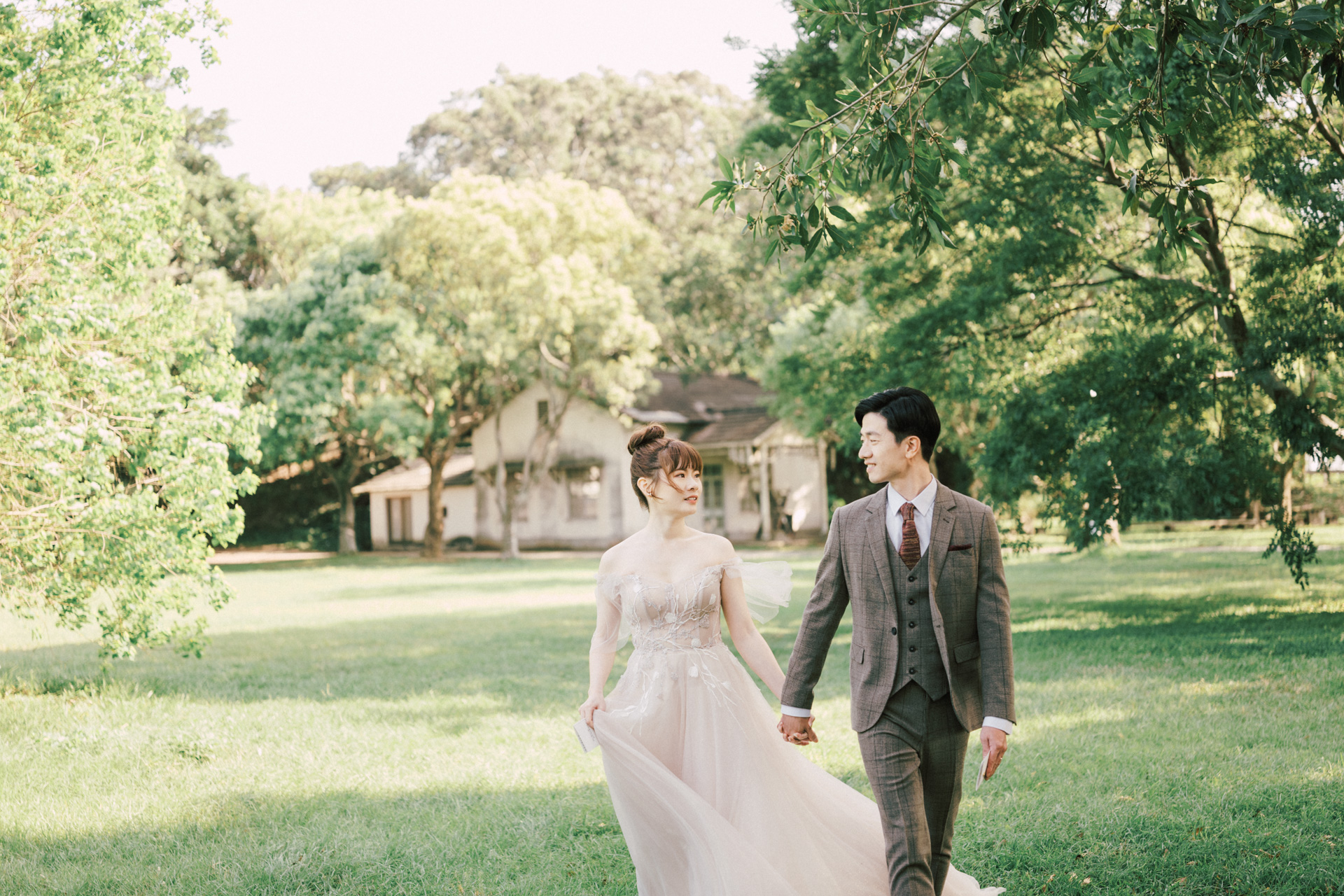
In good light, focus locks in the blink of an eye with excellent accuracy. Among non-Japanese manufacturers, I'd say Leica does it best.
.
Extreme Sharpness
A top lens's image quality can be judged by sharpness, micro-contrast, bokeh, aberration and chromatic aberration correction, and distortion correction. Most are easy to understand and observe — but what is micro-contrast? How does it affect image quality?

Micro-contrast is "Micro Contrast" in English. In plain terms, it's the gradation of tonal steps from brightest to darkest — the wider and finer this transition, the more detail it renders, the smoother the color transitions, and the more detail and rich color we see — creating a powerful sense of dimensionality and realism.
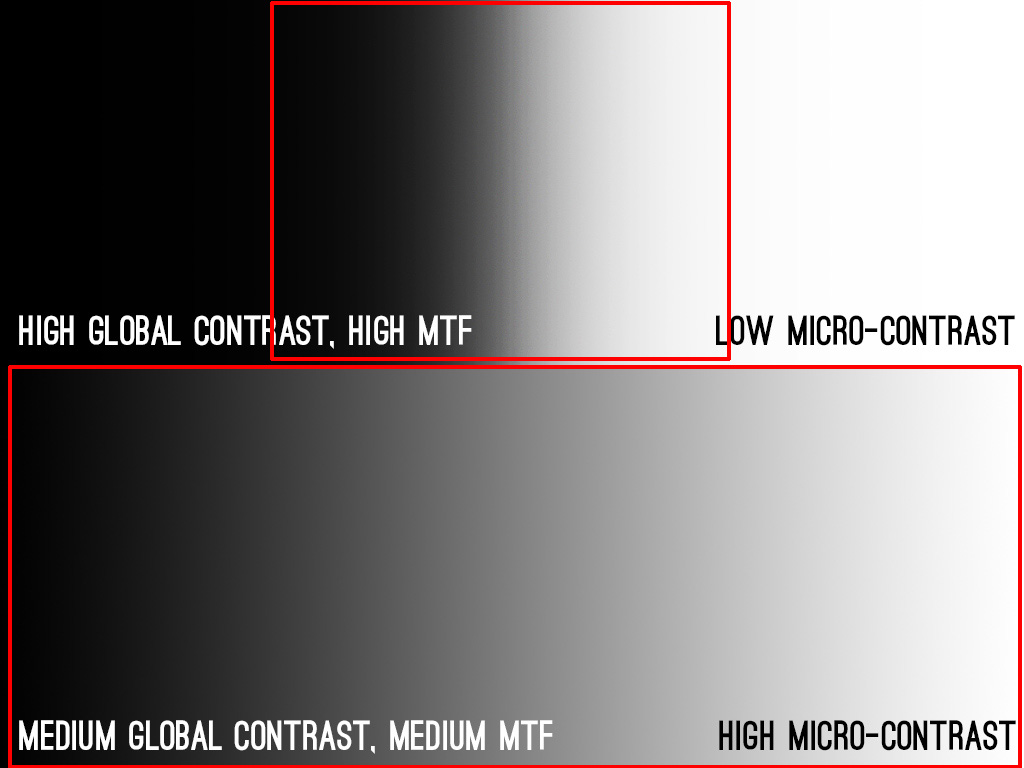
When you see online reviews of Zeiss Otus lenses mentioning "pop" or "3D rendering," they're describing micro-contrast. If you're curious about micro-contrast, I highly recommend these links for deeper reading.
Further reading
Beyond high resolution, top lenses also demand your attention: "micro-contrast"
Micro-Contrast, the biggest optical luxury of the world
Micro Contrast and the ZEISS 'Pop' – by Lloyd Chambers
.

Further reading
Pursuing Perfection — American Wedding Photography with the Zeiss Otus 55mm F1.4
.

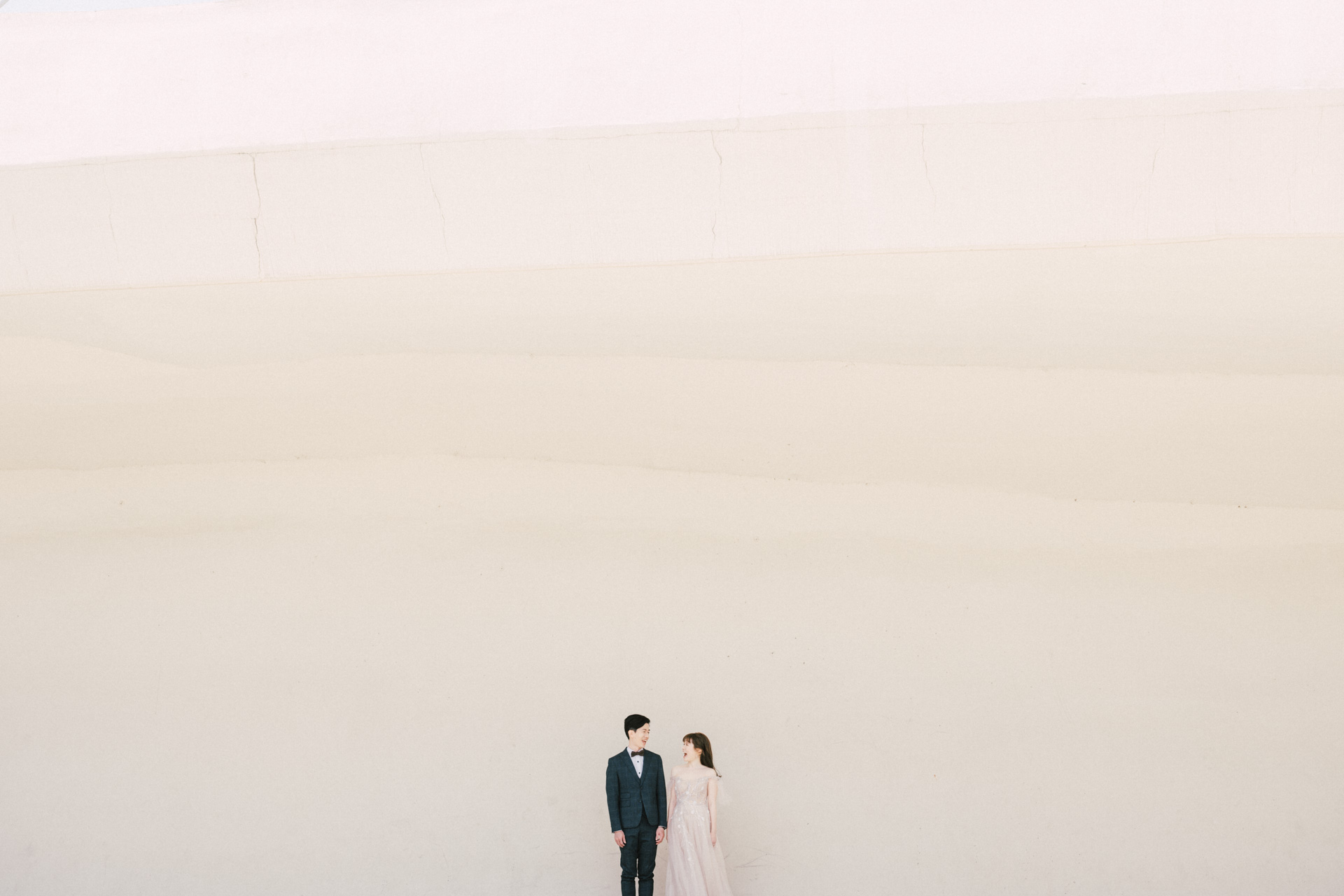
Back to Leica: the APO-Summicron-SL 50 f/2 ASPH maxes out the skill tree on every metric above (except the aperture not reaching 1.4 and… the price). Wide open it's already excellent; stopped down, the improvement in image texture borders on absurd.


.


Distortion correction goes without saying — essentially maxed out. Thanks to rich micro-contrast, detail rendering feels as if every pixel were etched onto your screen — so sharp, so incisive. And the smooth tonal transitions mean detail is everywhere even without much post-processing.
.



The APO-Summicron-SL 50 f/2 ASPH captures subjects so brilliantly that subject-background separation feels incredibly dimensional and lifelike — not merely sharp-edged. Its bokeh is warm and gentle: from farther away it's unhurried and calm; get closer and the bokeh takes on a slight swirl.
.



For someone like me who often shoots into the light, lens coatings matter enormously. Poor light handling means no clean, transparent image — common in cheaper lenses. Leica SL lenses hold up against backlight with ample color transparency, and show no aberrations or fringing on subject edges.
.



For ultimate image quality, medium format's huge sensor elevates rendering a notch. Yet in the Leica SL system, the extraordinary APO series delivers medium-format-like delicate image quality even in the smaller full-frame format.
.
Compact Size
The APO-Summicron-SL 50 f/2 ASPH is moderately sized — 102mm x 73mm fits easily in any small-to-medium camera bag. At a hefty 740g it's no lightweight, but acceptable — a one-camera-one-lens walk remains within comfortable range.

I want the Leica SL2s to be an efficient, easy-to-carry system. The Summilux-SL 1:1.4/50mm ASPH has the largest aperture and is an excellent lens — but its larger size, weight, and hood don't fit my current needs. And having tasted the APO sweetness, how could I go back?
.
Conclusion

The biggest difference between using Leica and Japanese brands, beyond stunning image quality, is an extra measure of sincere joy in appreciating the gear itself. I'm sure many of you smile at your Leica while admiring image detail~

As my first APO lens, the APO-Summicron-SL 50 f/2 ASPH — whether for daily shooting or professional work — fully lives up to its price. Yes, APO lenses aren't cheap — but a photographer's inner joy is beyond words, isn't it?
If you care about top-tier image quality and want something portable, I highly recommend Leica's APO series — the APO-Summicron-SL 50 f/2 ASPH is absolutely your best choice. May every photographer happily keep spending!!
.




















Share this story