Stanley, a Taiwanese photographer living in Japan, has long experience with the digitized Hasselblad V system. In this article, he shares his thoughts on the new-generation Hasselblad 907X 50C II.
By Fujie Zhang / Stanley
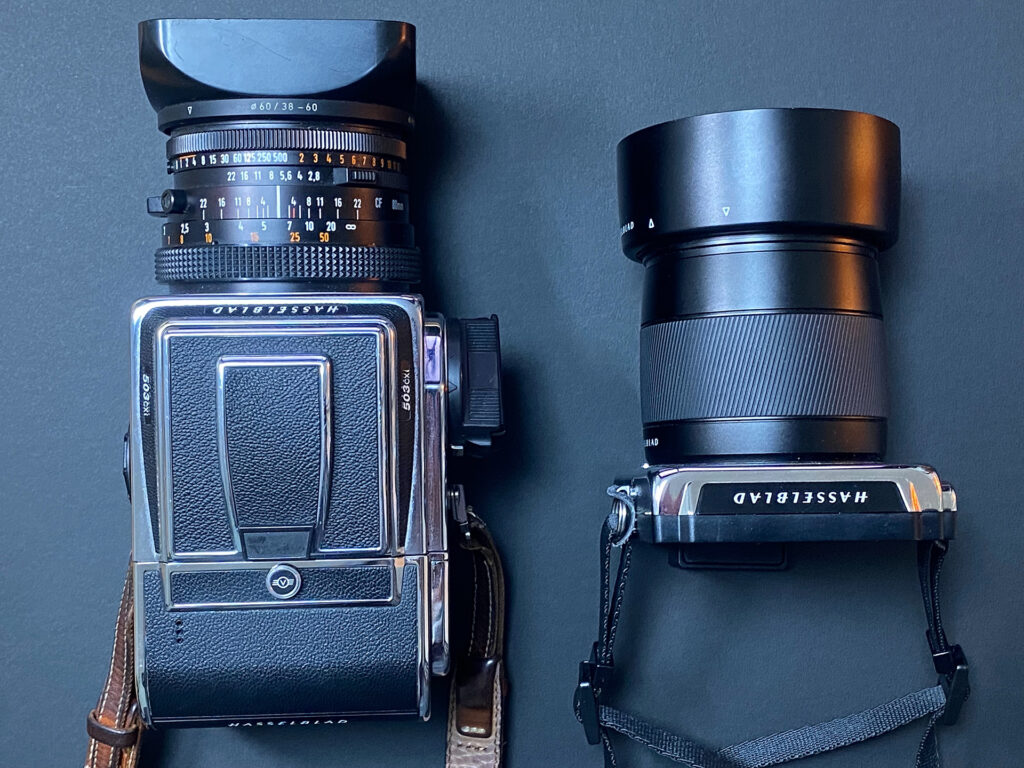

I first encountered Hasselblad around 2008, using a Hasselblad 503CXi + A12. The viewfinder showed left and right reversed, and the small square frame came alive in my hands — the viewfinder was dimensional and bright, and I fell in love with the shooting process. Back then I mostly used Kodak 400NC and ILFORD black-and-white film. Later, work demands meant mostly digital cameras, but through all the gear changes, this Hasselblad 503CXi always stayed with me.

.
A few years ago the first-generation CFV 50 came out, and I thought the dream combo had finally appeared. With my soft spot for Hasselblad, I bought it without hesitation — but after playing with it for two or three days, it wasn't smooth to use: slow write speeds, very heavy, an LCD that wasn't detailed enough, and so on. I sold it in like-new condition (laughs).
Finally! This time a new CFV came out. With my previous experience, I bought more carefully this time — I studied the official site's introduction in detail, watched videos and read reports from players who got theirs first, and privately asked a few buyers how they felt. Then I placed my order; after about two months, I was notified it was in stock. Used to the 35mm focal length on 135-system cameras, I also ordered the XCD 45mm F3.5.
What I personally like about it:
1) The inherited feel of composing with a vertical view of the body
2) The shutter button is in the same position as the traditional shutter
3) Once attached to a traditional body, cocking the shutter feels completely natural — like having a film magazine with infinite space
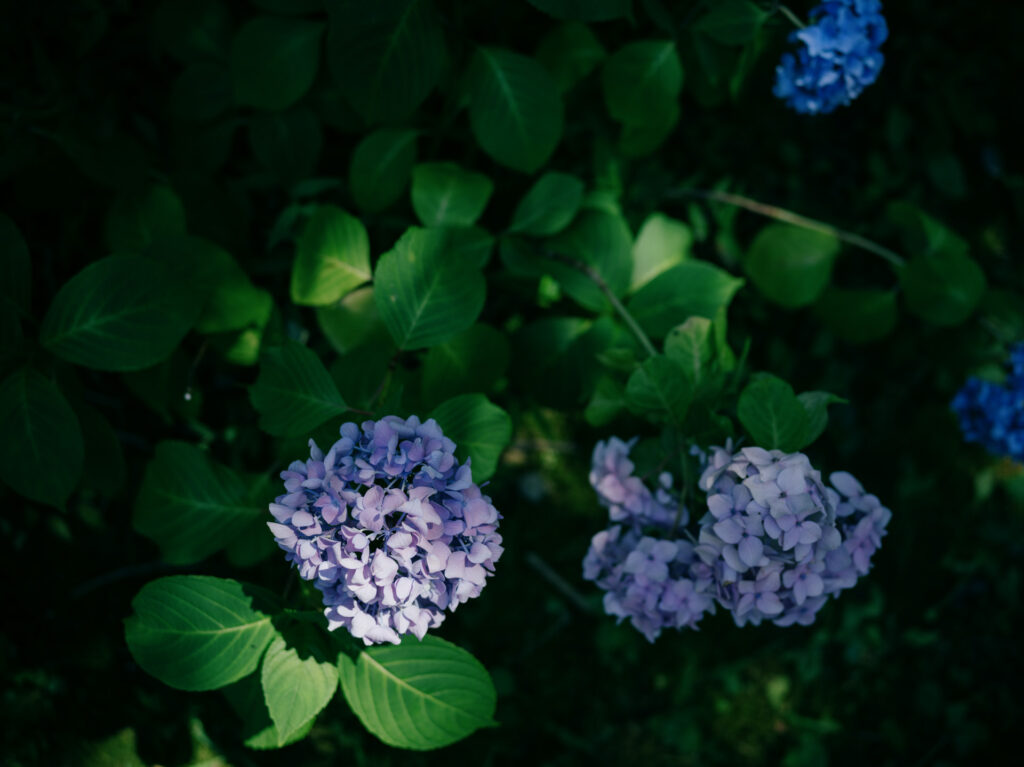
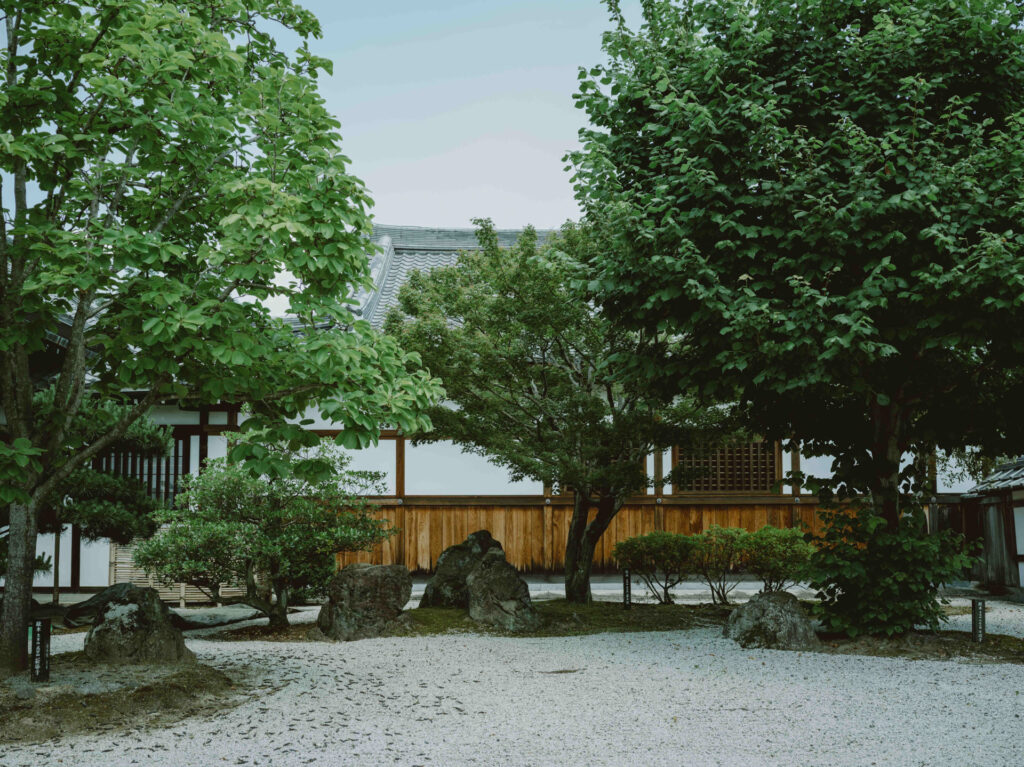
4) Colors recorded with true-to-life neutrality
.
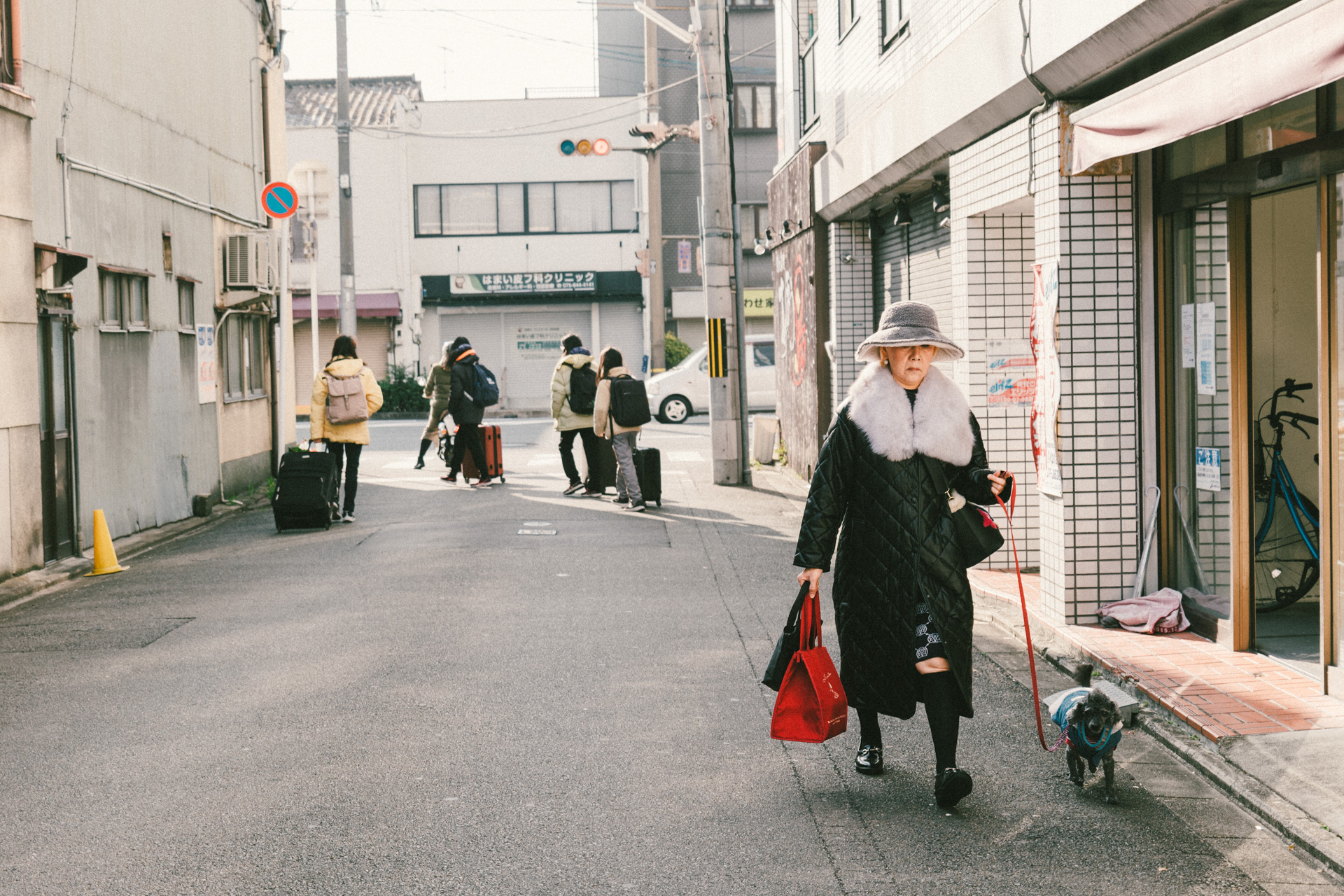
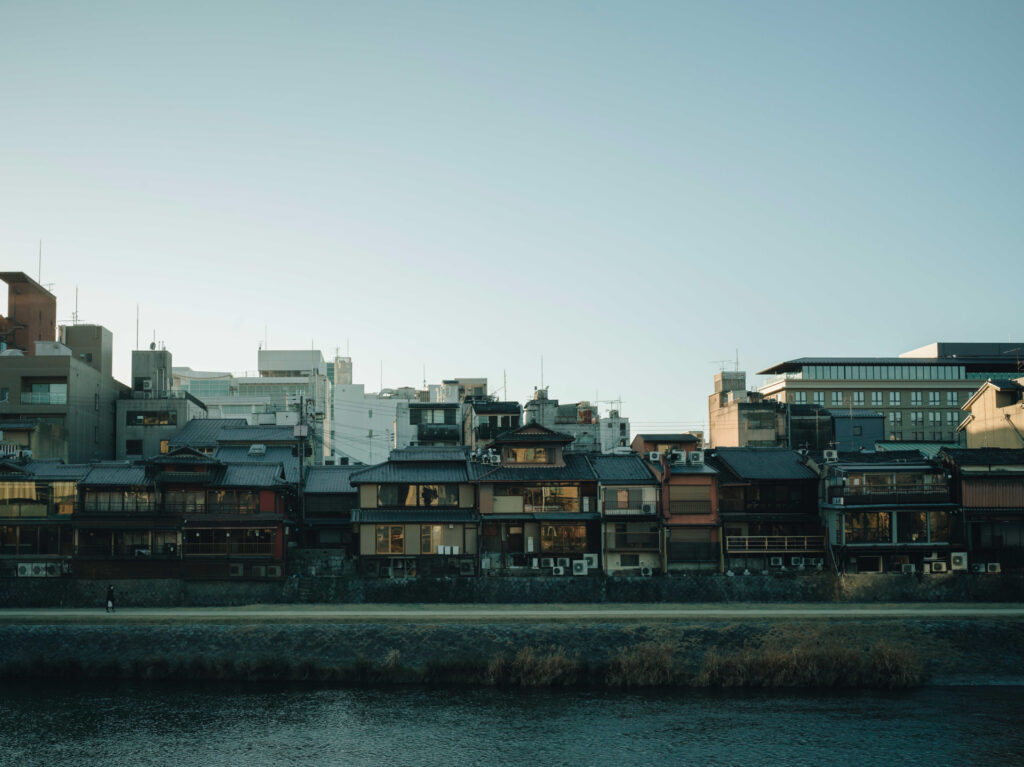
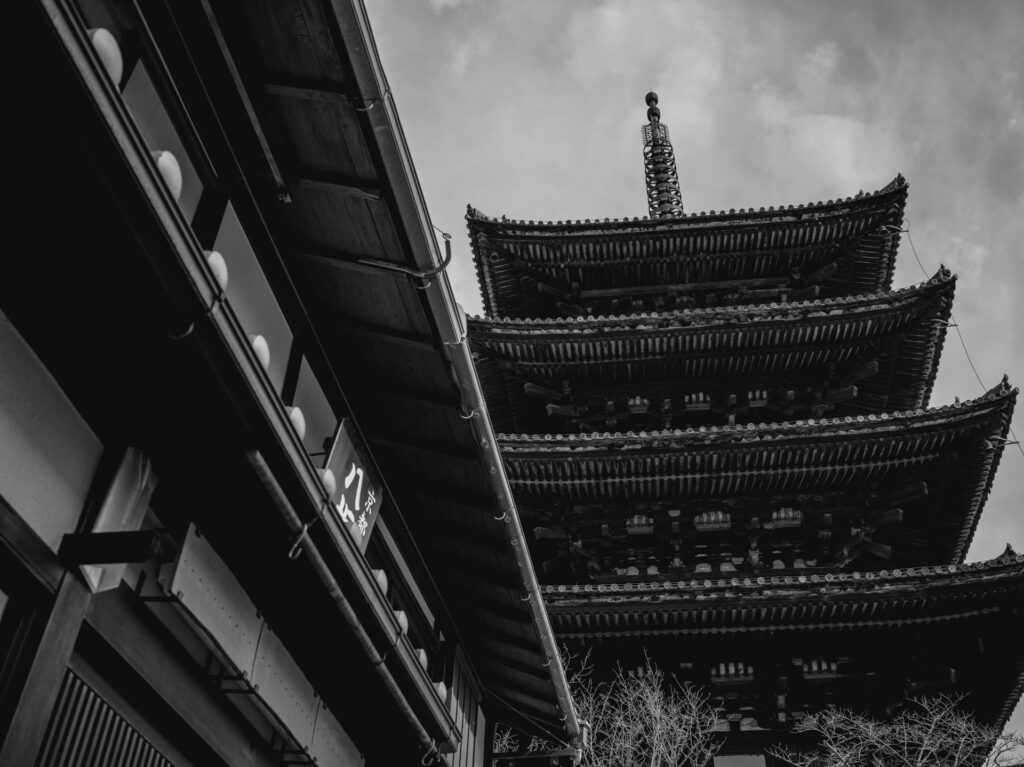
Taking advantage of the pandemic's thin crowds, I shot a video in Uji, entirely with the XCD 45mm F3.5. Since the 907X CFV 50 II has no built-in microphone, I attached an external mic. I did no exposure or color grading in editing — the footage was cut straight from the originals, and the colors are almost exactly what the naked eye sees. (Update: 2022.04.13)
.
Of course there are small downsides — the buttons wear easily, and the LCD is hard to see outdoors. But I think the pros outweigh the cons; it's very acceptable.

.
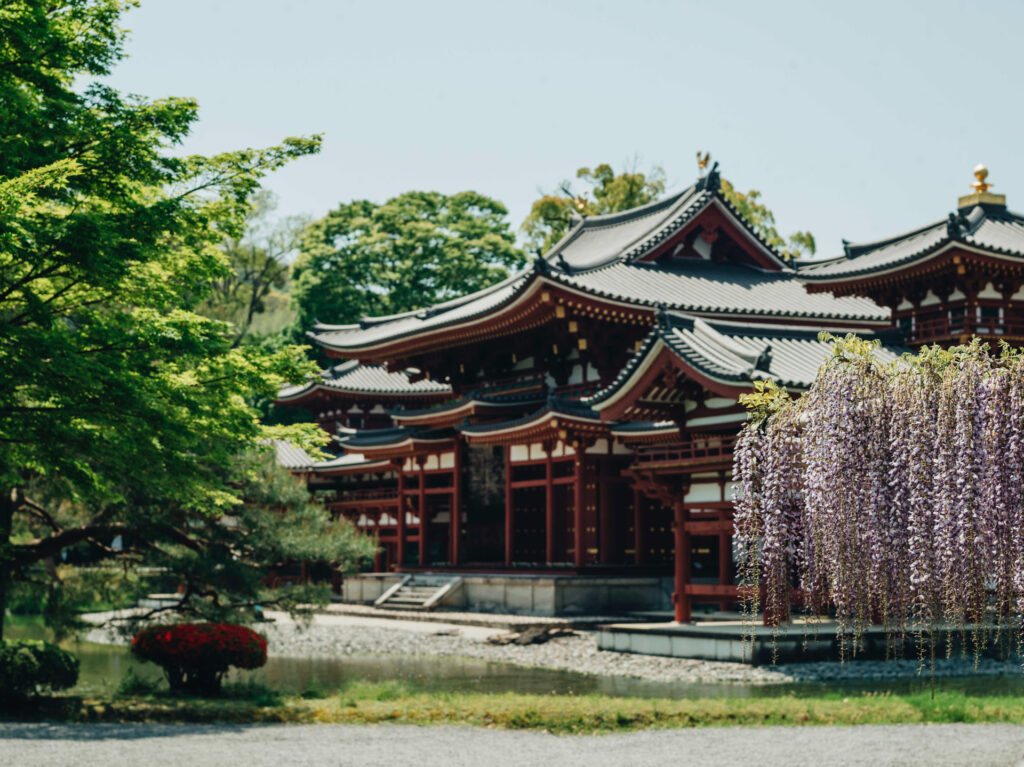
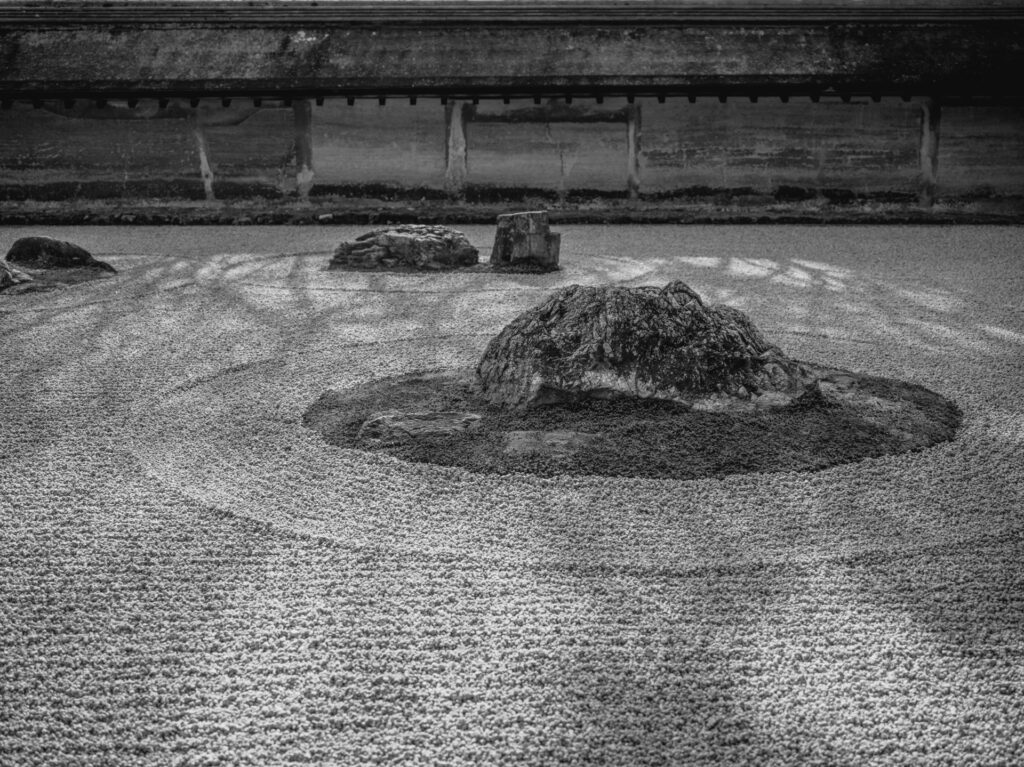
Its high resolution + high dynamic range! In post-processing you can flexibly recreate the feel of film from that era. For video there's no slog-like profile, but the original colors are rendered very accurately.

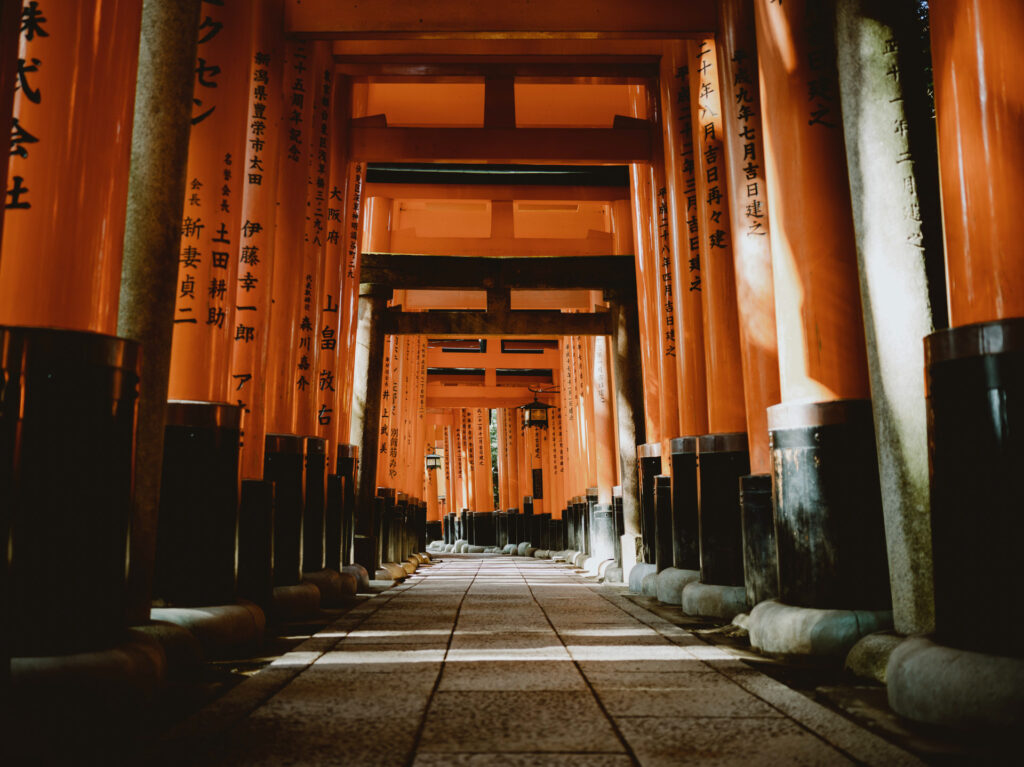
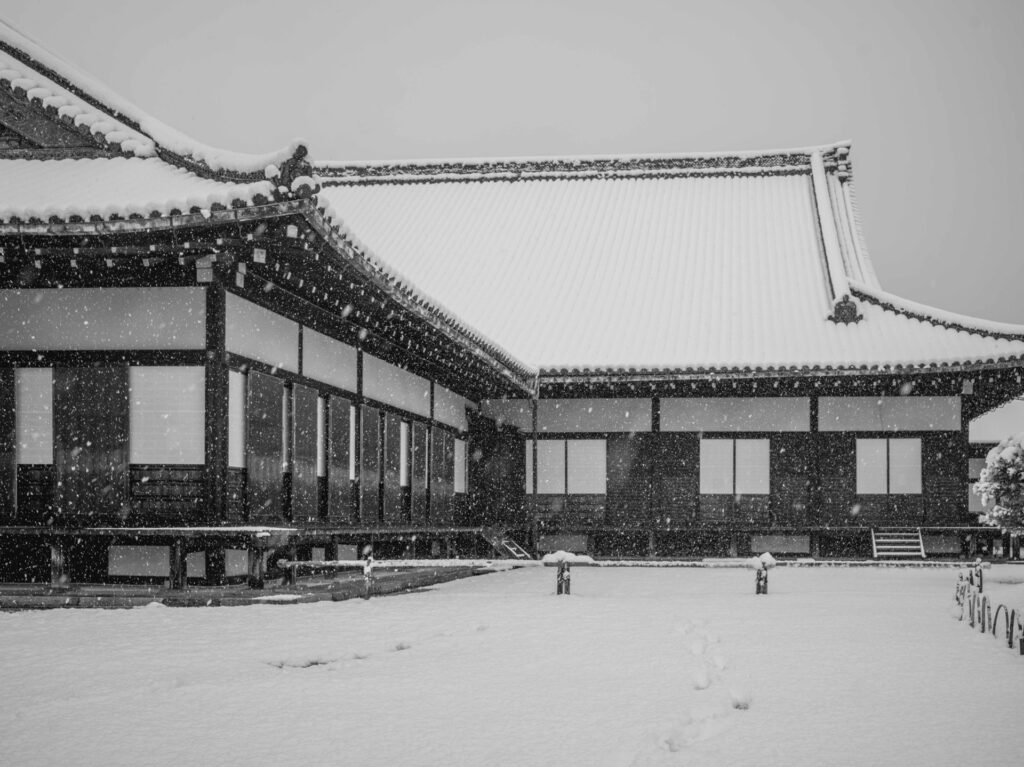
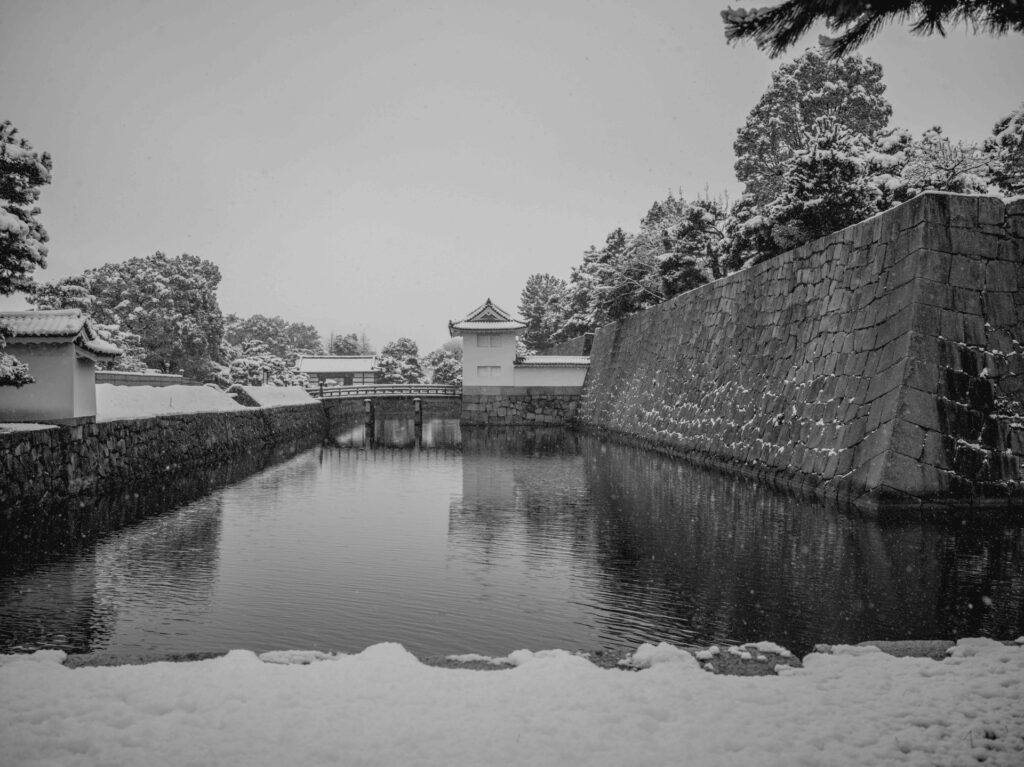
Living in Kyoto, after shooting through spring, summer, autumn and winter, I still can't put it down. What I look forward to most is opening the files on my computer — the process of developing them in the digital darkroom.
.
I still use the XCD 45mm F3.5 and CF 80mm F2.8. The XCD 45's sharpness sometimes needs to be dialed down a touch to match what I want; while the CF 80mm F2.8 on the CFV II renders a bit soft, so adding a touch of sharpness in post is just right. After all, it was designed for film — every grain of film has its own translucency when light hits it, a different concept from the precise strikes needed on a digital back.
Further reading:
Illusion of Maze | Hasselblad 503CXi
.












Share this story