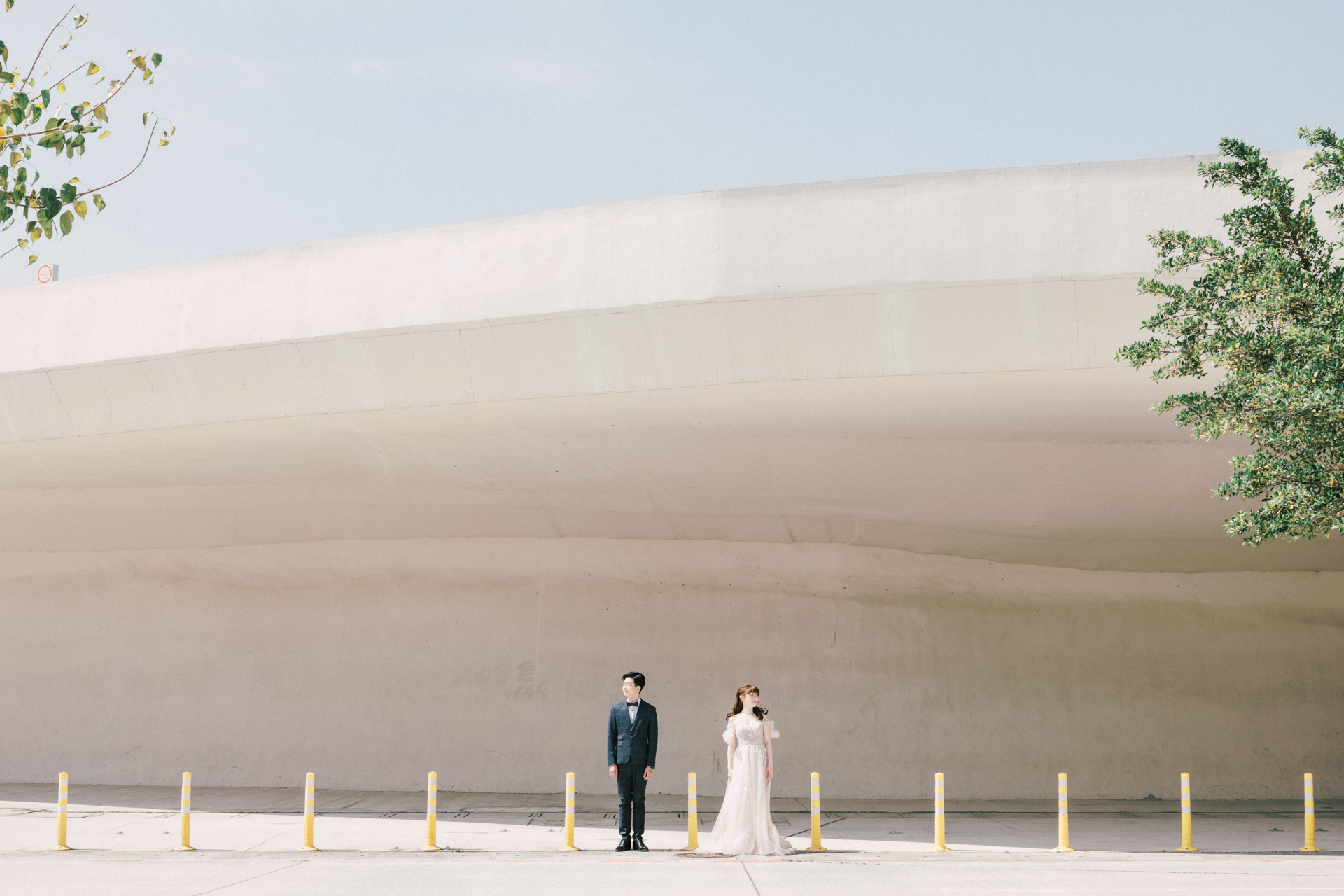
Leica's latest M11 camera drew a lot of attention from enthusiasts upon release. The author was lucky to get his hands on the Leica M11 right away, wandering through the streets and temples of Tainan to shoot, and shares his unique take on the M11.
By Ku Chen Chung

Thanks to a generous friend who lent me the latest Leica M11 camera, paired with the Leica Summilux-M 50/1.4 ASPH lens, I got to experience firsthand what the manufacturer calls a cross-generational model.
Leica's M series is a rangefinder classic, still glamorous in the digital age, beloved by many photography enthusiasts. My current lineup includes the Leica M-D 262, M10M, and M10R — all M cameras, but each with its own strengths and different rendering: the M-D with its stunning color tuning, the M10M with its perfect grayscale beauty, and the well-balanced M10R. Undeniably, the recently released Leica M11 has sparked a lot of discussion, especially its three-stage variable sensor — users can switch between 60, 36, and 18 megapixels for different work needs. For me, what I want to know more is: beyond the official specs, how does this camera differ from previous M cameras, and could it create a unique style for the new generation?
Quite a few reviews have accumulated online, mostly technical comparisons — image quality, dynamic range, high ISO, and so on. I won't go into the purely technical parts here; after all, what matters about a camera is ultimately the user's experience. Chasing spec-sheet numbers may highlight differences between the current model and previous generations, but it doesn't help us understand the philosophy and positioning behind the product — it can even mislead people into thinking this is a "tech product" rather than photographic equipment. Since my loan time was limited, here are just a few brief impressions:
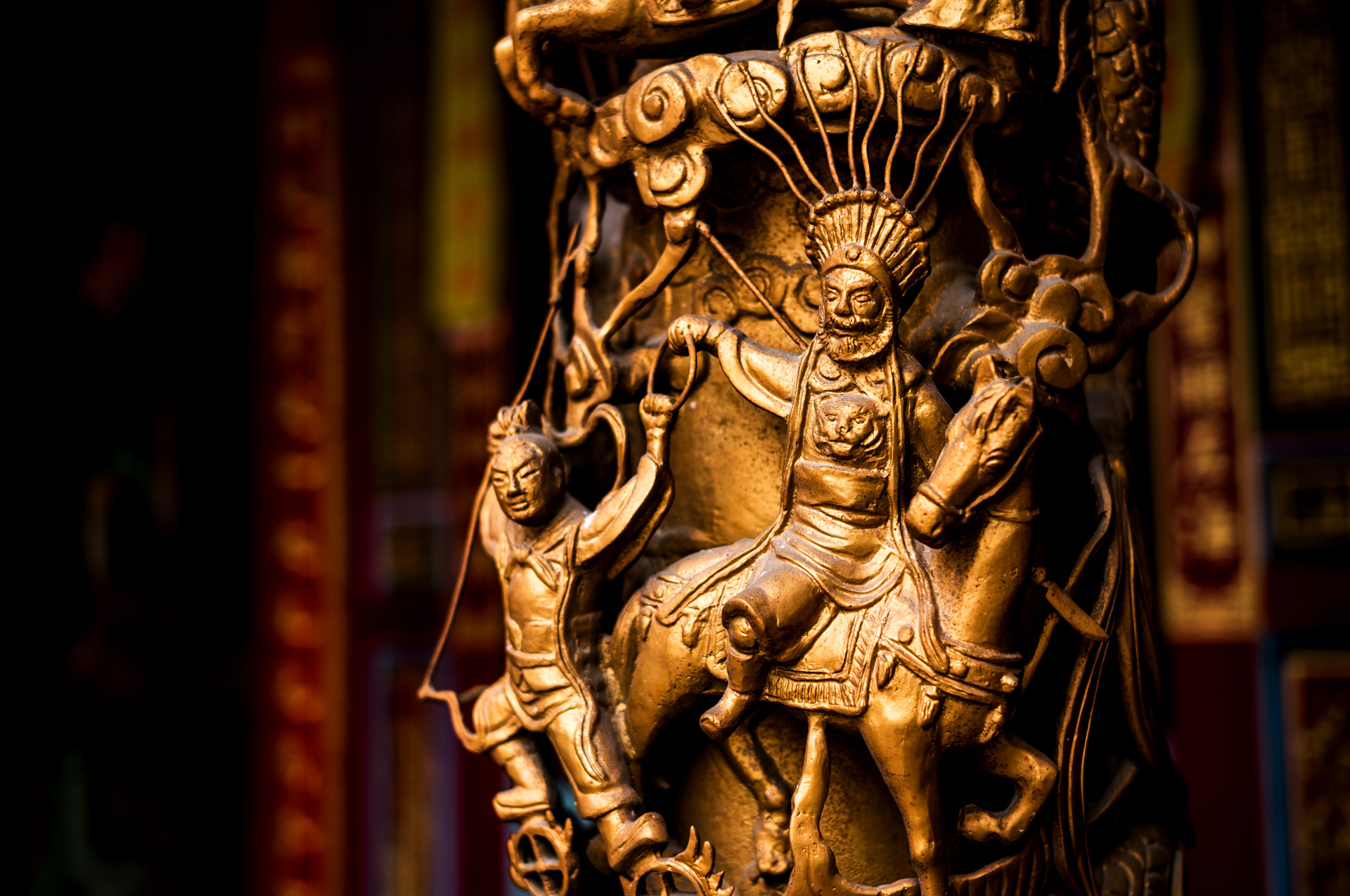
Most users might ask: should I upgrade? If you're a Leica M9, M10, or 240 shooter, I'd recommend upgrading — but if you already have the M10R, there's no obvious need.
Straight-out-of-camera JPGs are quite pleasing, with punchier contrast and color (as a friend mentioned, leaning a bit toward the M240 direction) — quite different from the Leica M10R's lighter style. Since I'm a post-processing user, I pay more attention to the DNG files' latitude. Basically, during Lightroom adjustments, I personally found the Leica M11's color tuning quite similar to the Leica SL2.

Apart from more megapixels, there doesn't seem to be an obvious difference. In other words, the Leica M11 is a bit like an M camera with an SL2 soul — different from the Leica M10R and M-D. Of course, when it comes to color rendering, the Leica M-D remains unbeatable.
From a design philosophy standpoint, the Leica M10R might be the last of the M cameras. That sounds a bit sensational, but I just want to emphasize that
the M11's design philosophy leans toward the Leica SL2 and Leica Q2.
A few small details hint at this, like the new battery and baseplate. The larger battery capacity is clearly aimed at users who fire the shutter a lot or focus with live view. This innovation isn't bad per se, but it differs from the traditional M shooting rhythm. In other words, Leica may have realized that live view is used more and more frequently, while rangefinder focusing is used relatively less — which precisely reflects how M users' operating habits are changing.

With the 60-megapixel design, street photography enthusiasts probably don't emphasize high resolution — and higher resolution means more visible noise and camera shake. In this test shoot, quite a few photos showed obvious camera shake when viewed enlarged. Interestingly, even switching files to 36 or 18 megapixels doesn't necessarily solve the shake-prone issue.

Of course, the high resolution may be designed for static photography like landscapes and architecture — and undeniably, ultra-high resolution adds a lot to the three-dimensionality of images. Even so, whether an M camera — positioned differently from the SL series — needs to go as high as 60 megapixels is certainly debatable.
Also, regarding the much-discussed baseplate — whether removing the traditional baseplate is good or bad really depends on who you ask. While accessing the battery and memory card is much more convenient, it inevitably reinforces the impression of the M leaning toward the SL2 and Q design language.

Either way, the M camera's positioning seems to be quietly shifting.
Overall, the M camera remains a rangefinder classic. As the leader in this category, it's always good that the manufacturer thinks about how to keep improving — though the thinking could go toward deepening the rangefinder's existing strengths, or making color rendering even more brilliant. Applying the logic of ordinary mirrorless cameras to the M could instead weaken this camera's character. Of course, these are just value choices — there's no good or bad, and they don't affect the user experience.
From every angle, the Leica M11 is quite an excellent camera, and the system and operation are equally satisfying. Finally, back to the old upgrade-or-not question — I think the answer still depends on the user's own photographic rhythm and subject preferences.
.





Further reading:
2021 Taipei Fashion Week Backstage | Leica M240
Share this story