Lens weight
Minimum focus distance
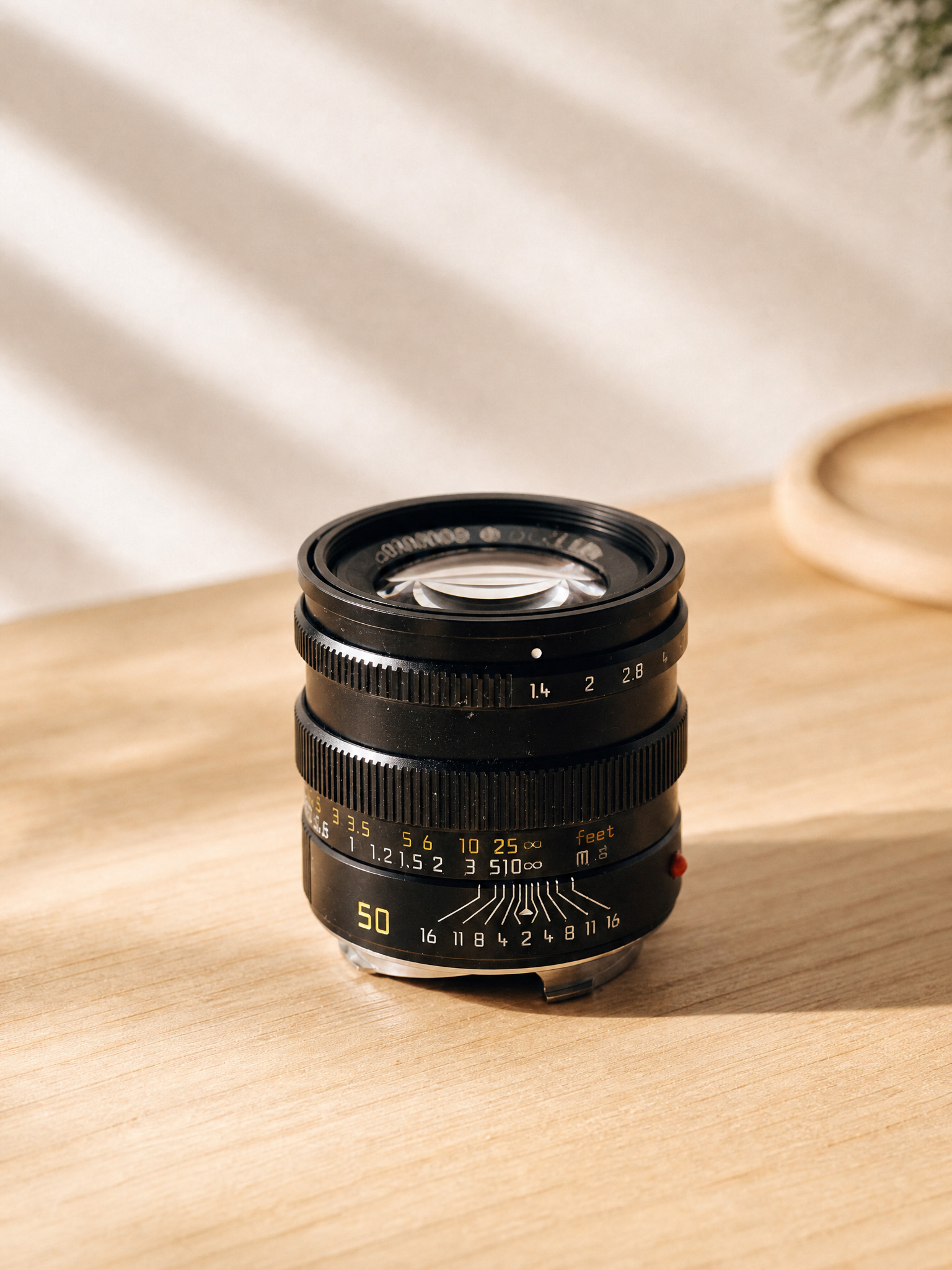
Mandler 50mm F1.4 preA
139g (鋁合金)/ 215g (銅合金)
0.5 m
A Standard Lens That Makes You Slow Down
Filter size
Maximum aperture
46 mm
F1.4
Coating
Purple-gold coating
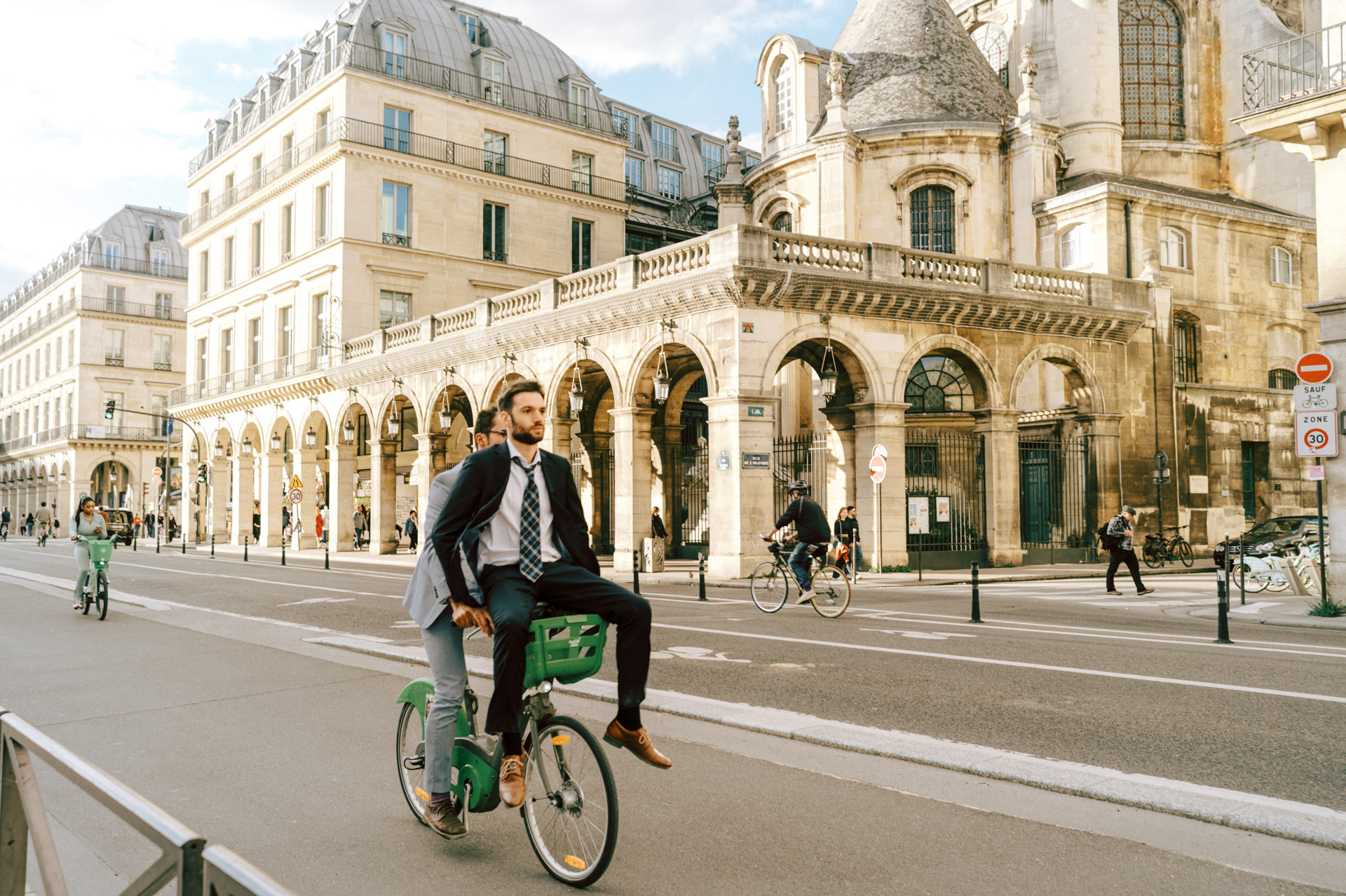
50mm, the Standard Field of View
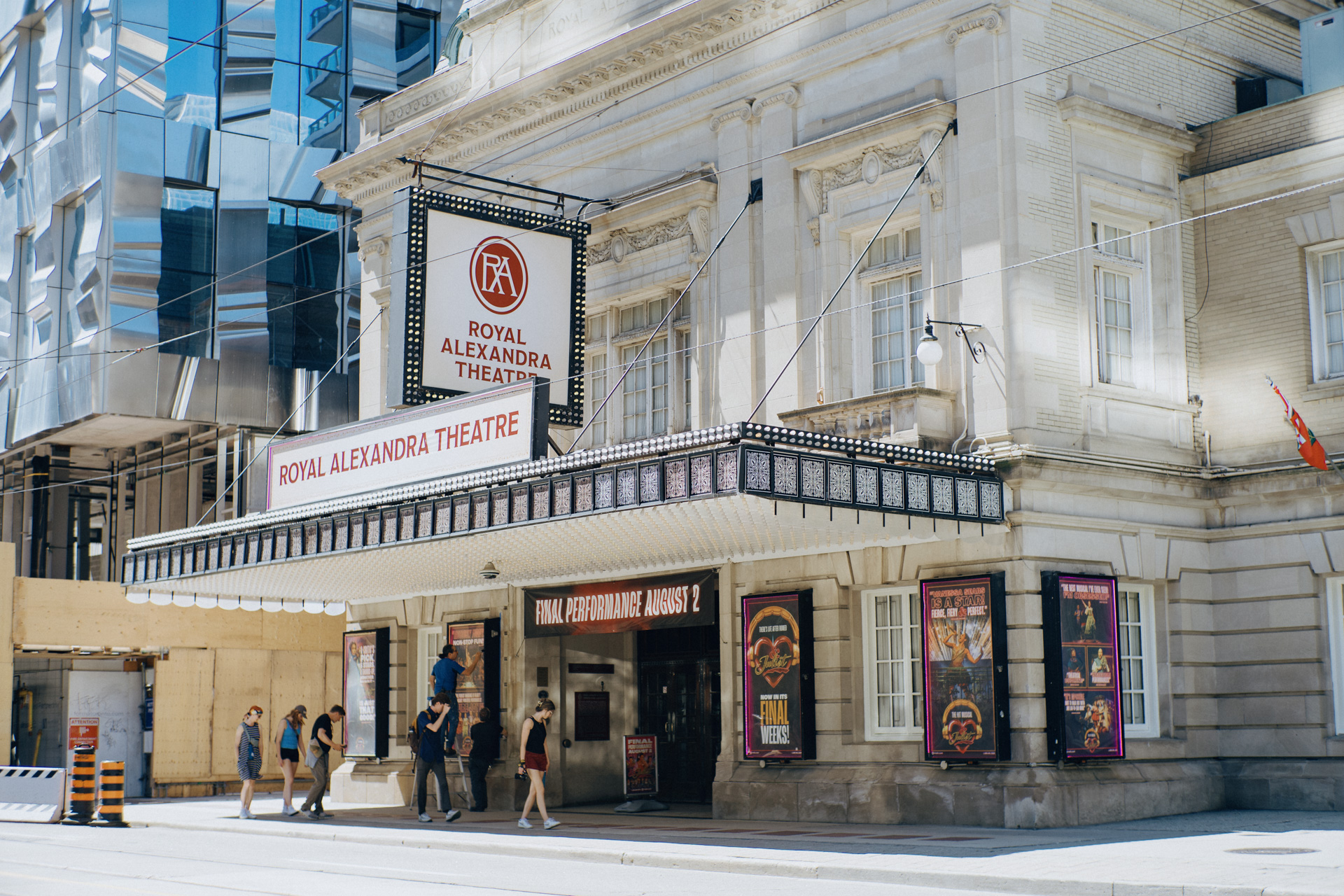
For many years, whether shooting professionally or for personal street photography, 50mm has always been my comfort zone. My dry cabinet holds all kinds of 50mm lenses, because a standard 50mm is like a tree ring — each one etched with the optical craftsmanship and philosophy of its era.
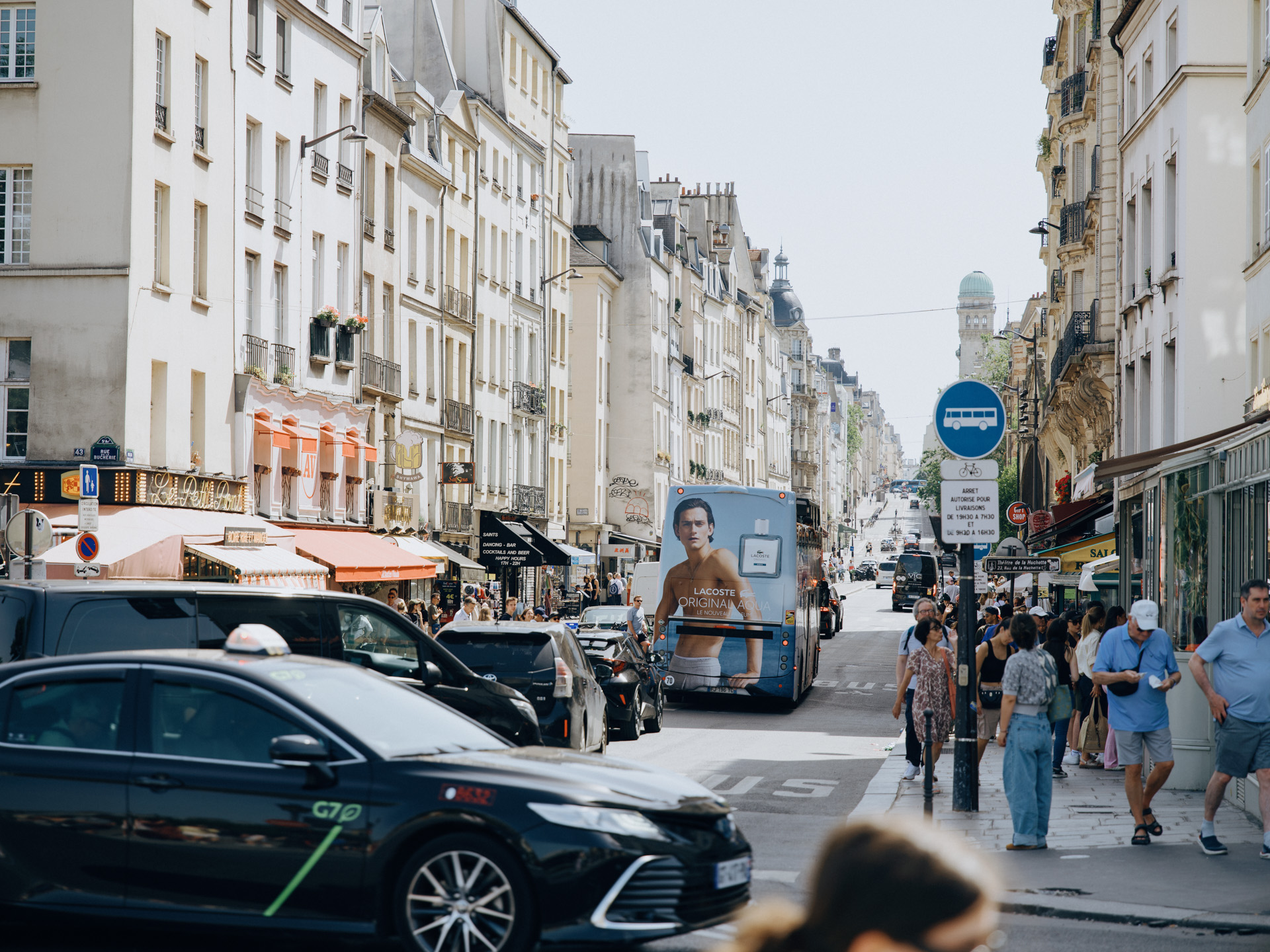
Many people say 50mm is hard to use, because its field of view is too ordinary — close to what the human eye sees. It doesn't render the full environment as easily as a 35mm, nor does it give the obvious compression of an 85mm at first press. But to me, 50mm is simply an everyday distance. The world seen through this lens needs no mental translation — whatever the eye sees, the camera records.
Mandler 50mm F1.4: A Standard Lens That Makes You Slow Down
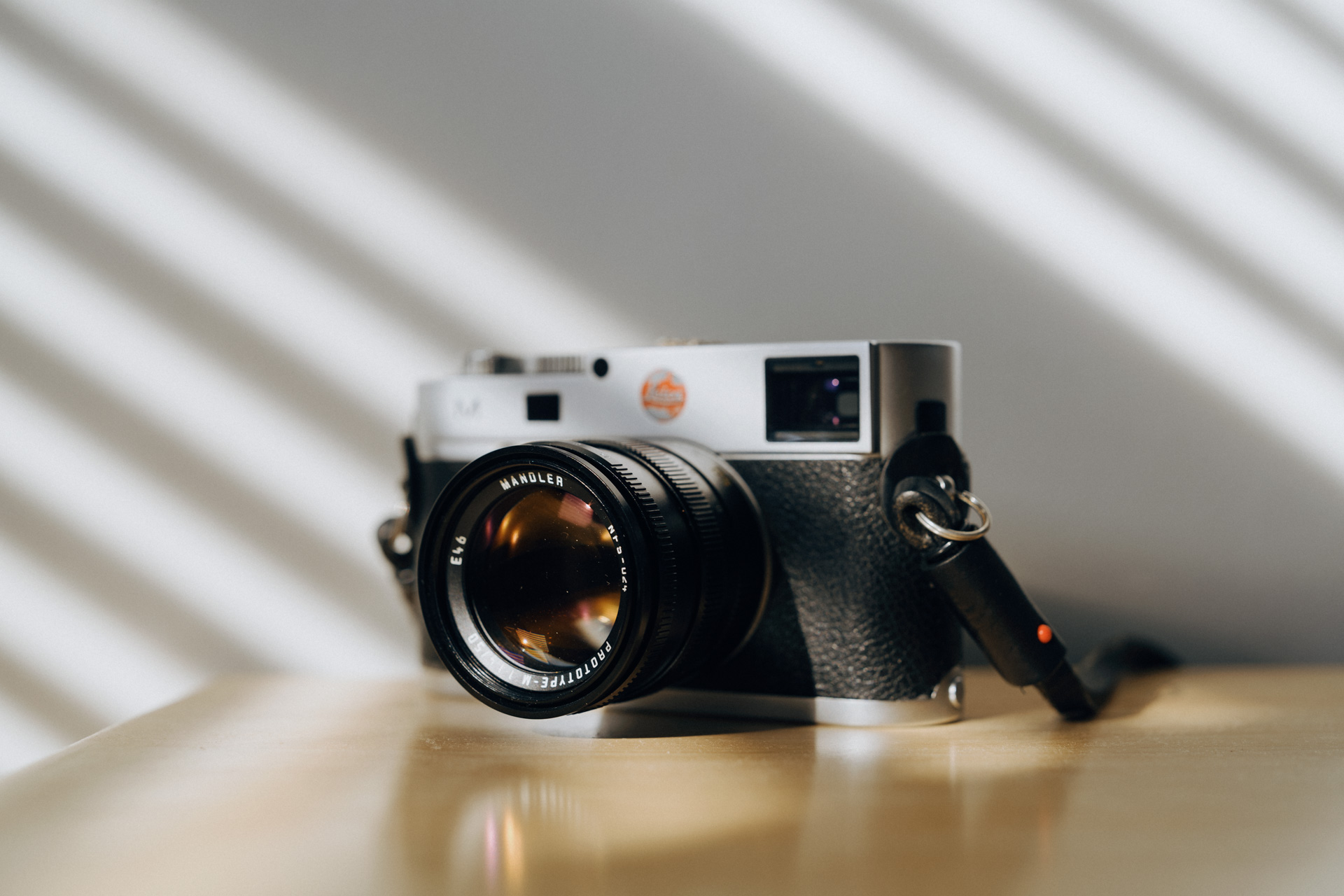
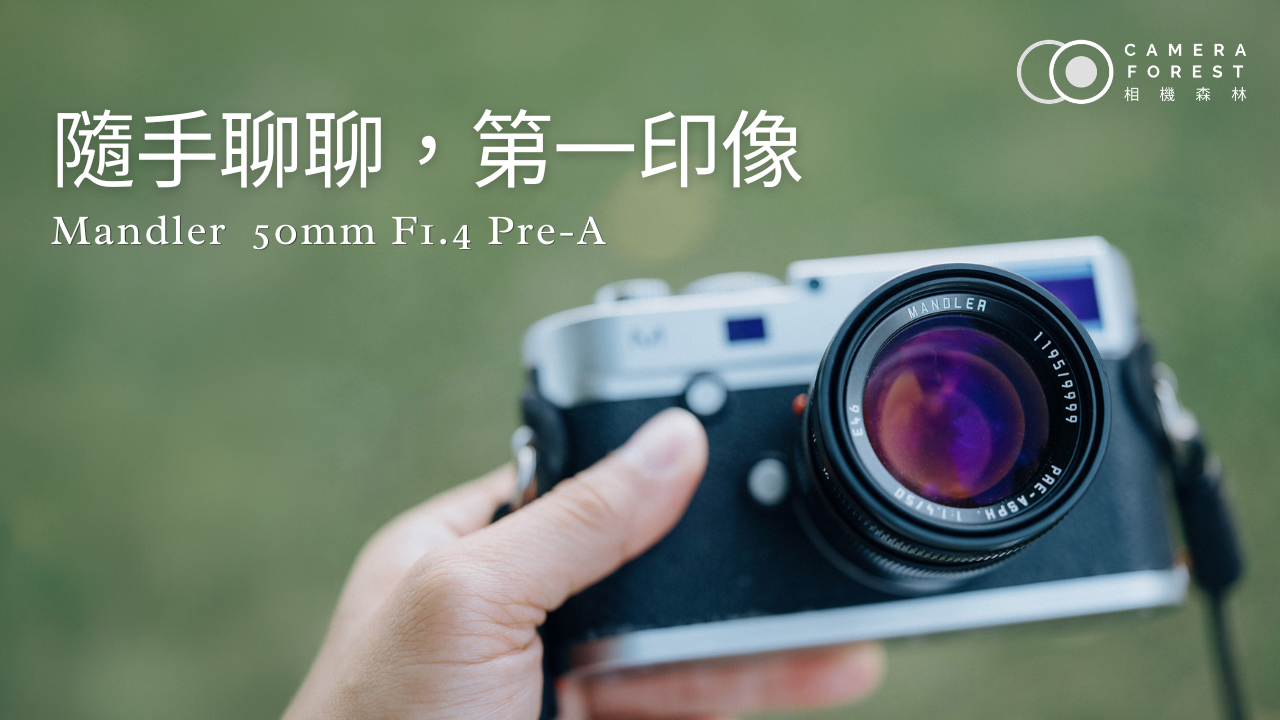
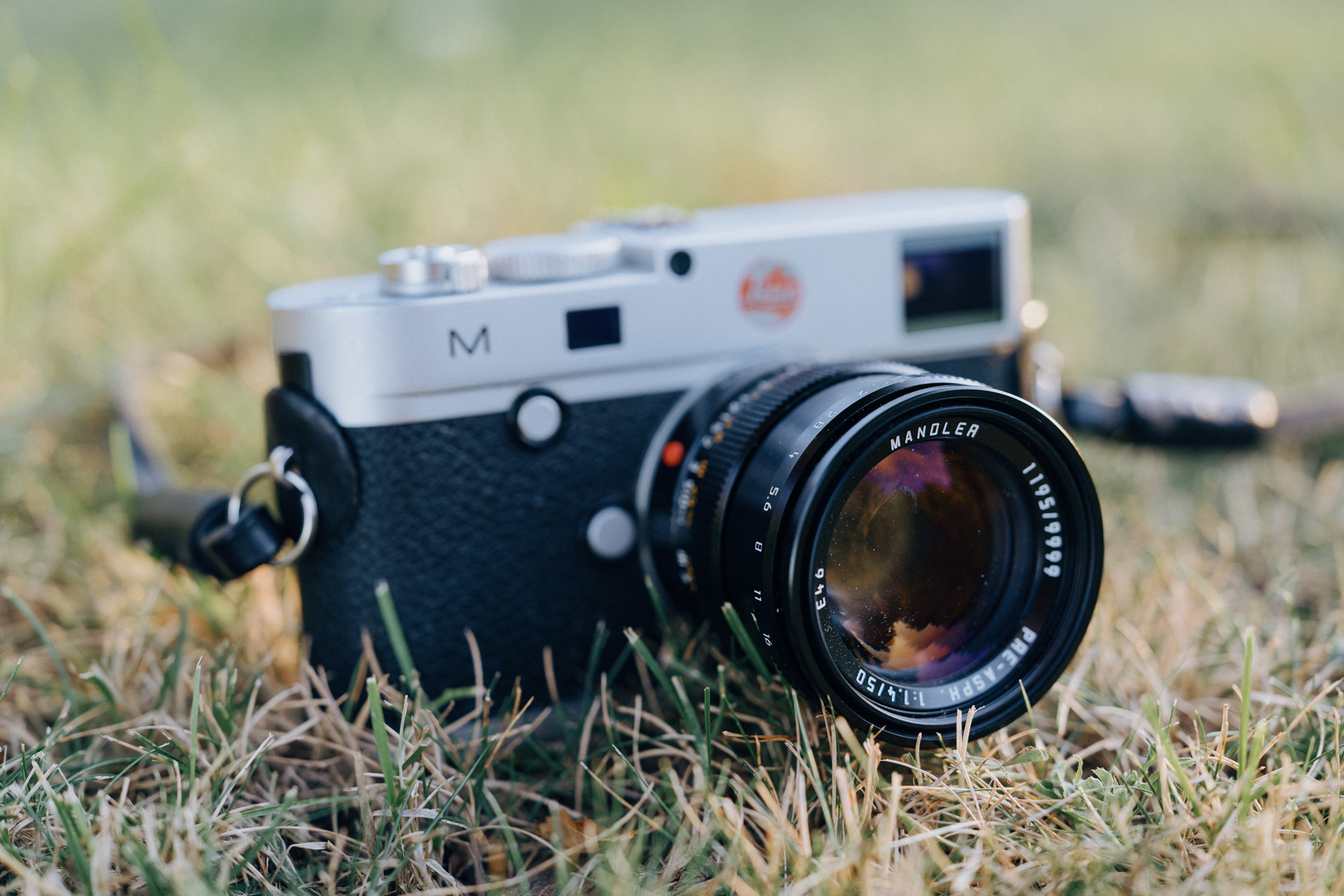
Following the success of the first Mandler 35mm F2, Mandler has finally released the standard lens everyone has been waiting for: the Mandler 50mm F1.4 pre-A.
This lens is benchmarked against the classic SUMMILUX-M 1:1.4/50 PRE-ASPH (E46), retaining the purely spherical optical character that gives it that distinctive out-of-focus rendering and three-dimensionality. At the same time, it adds ED low-dispersion and HRI high-refractive-index elements, using modern technology to make real improvements — chromatic aberration is significantly reduced, and central resolution is noticeably higher.
Ahead of its official release, I had the chance to shoot with the Mandler 50mm F1.4 pre-A for an extended period. Here are my impressions.
。。。
Build and Handling
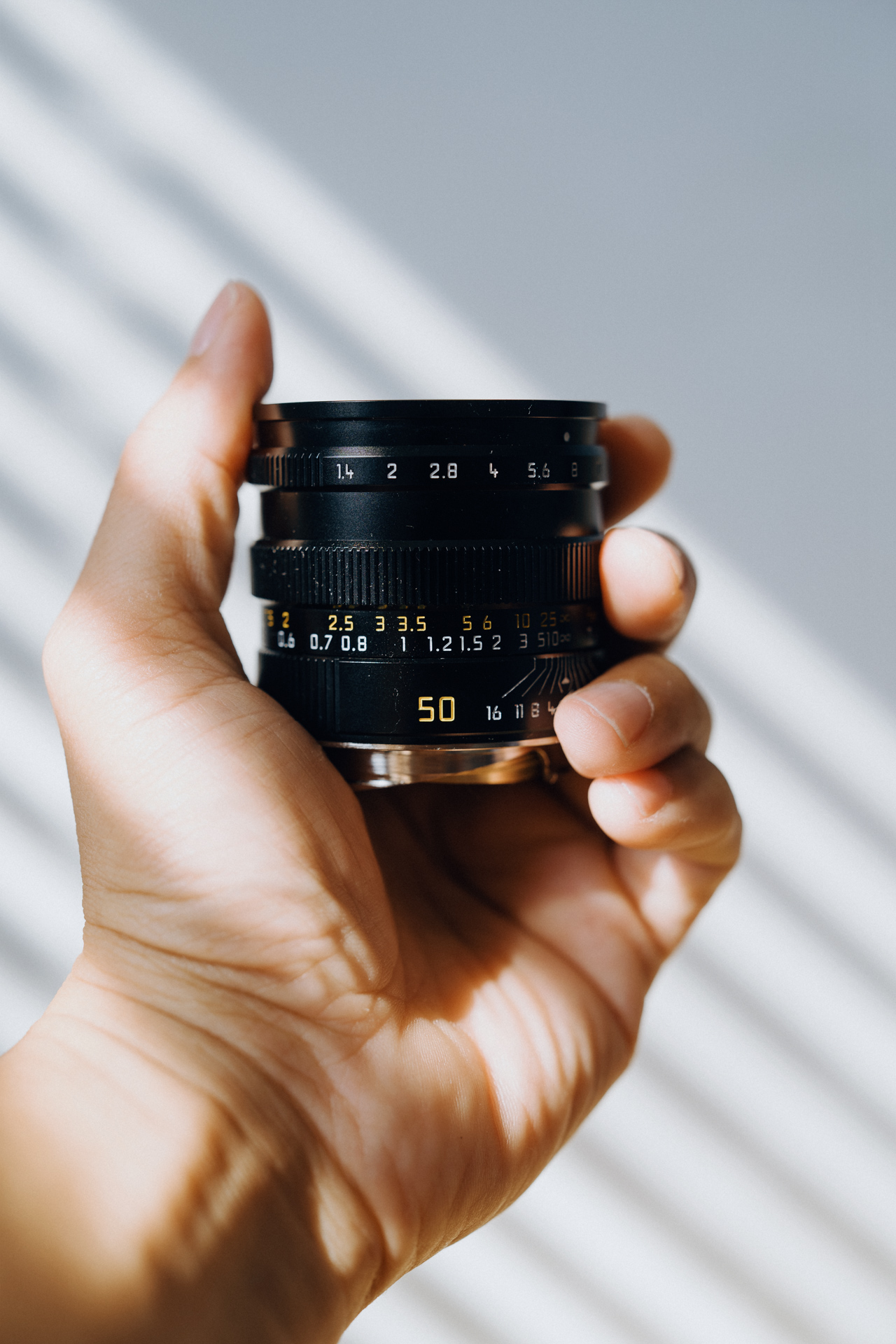
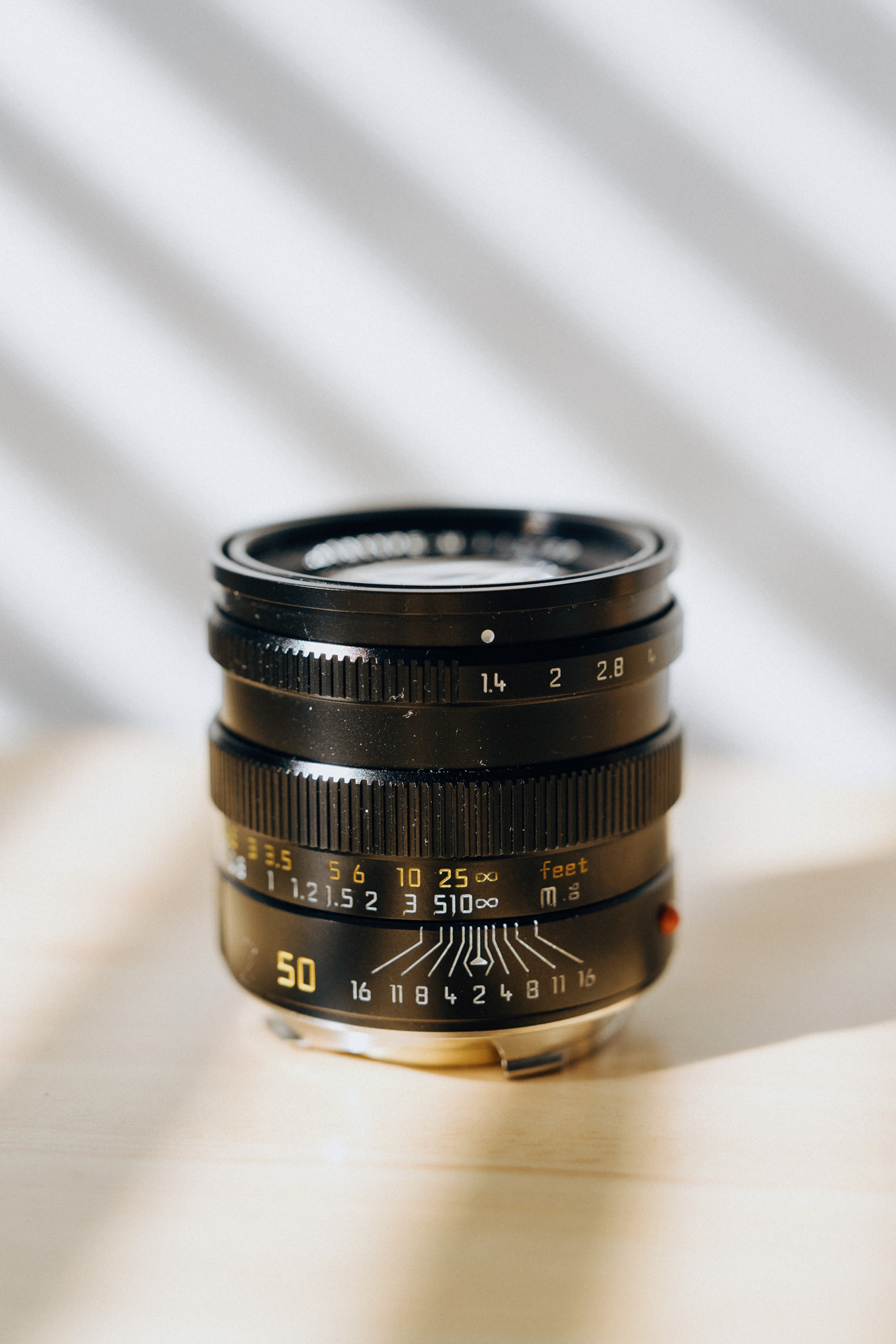
Carrying forward the excellent feel of the Mandler 35mm F2, this 50mm has the same refined, smooth focus damping, with a well-defined, clicky aperture ring and silky focusing. Without paying close attention, many people would likely mistake it for a Leica lens at first touch.
That said, in all fairness, genuine Leica glass still feels a touch more refined. How so? That slight friction sound when turning the aperture ring, that faint resistance when focusing — Leica still edges it out.
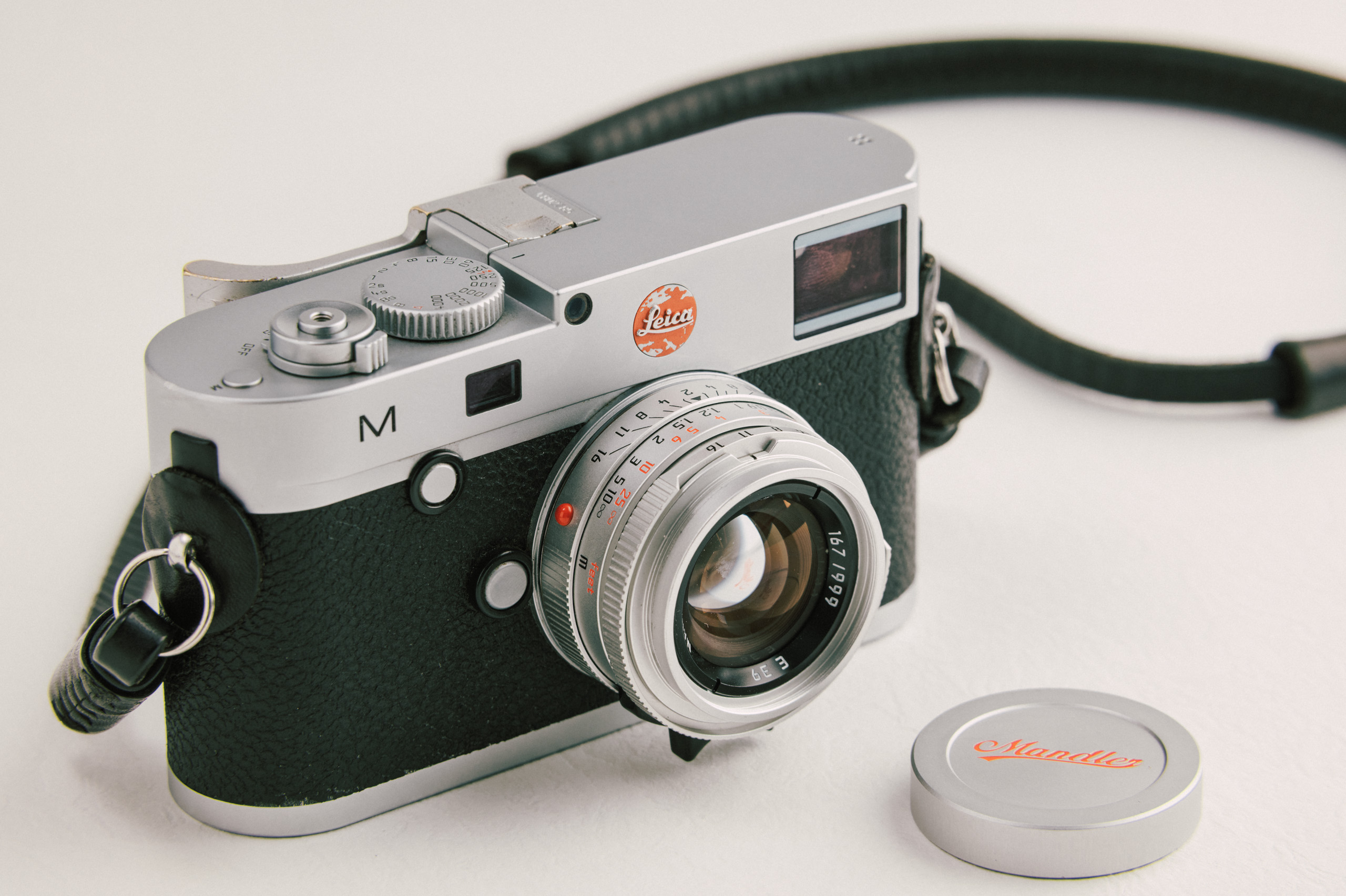
The internal core components of the Mandler 50mm F1.4 pre-A are all machined from solid brass. It's currently available in two versions:
- Aluminum black version: A high-strength aluminum alloy housing that reduces overall weight and improves portability.
- Solid brass chrome-plated silver version: The entire body is made of solid brass with a chrome finish, giving it a substantial, reassuring feel in hand.
Mandler
「A good feel in hand doesn't rush you — it makes you want to slow down.」
50mm F1.4
。。。
Built-in Lens Hood
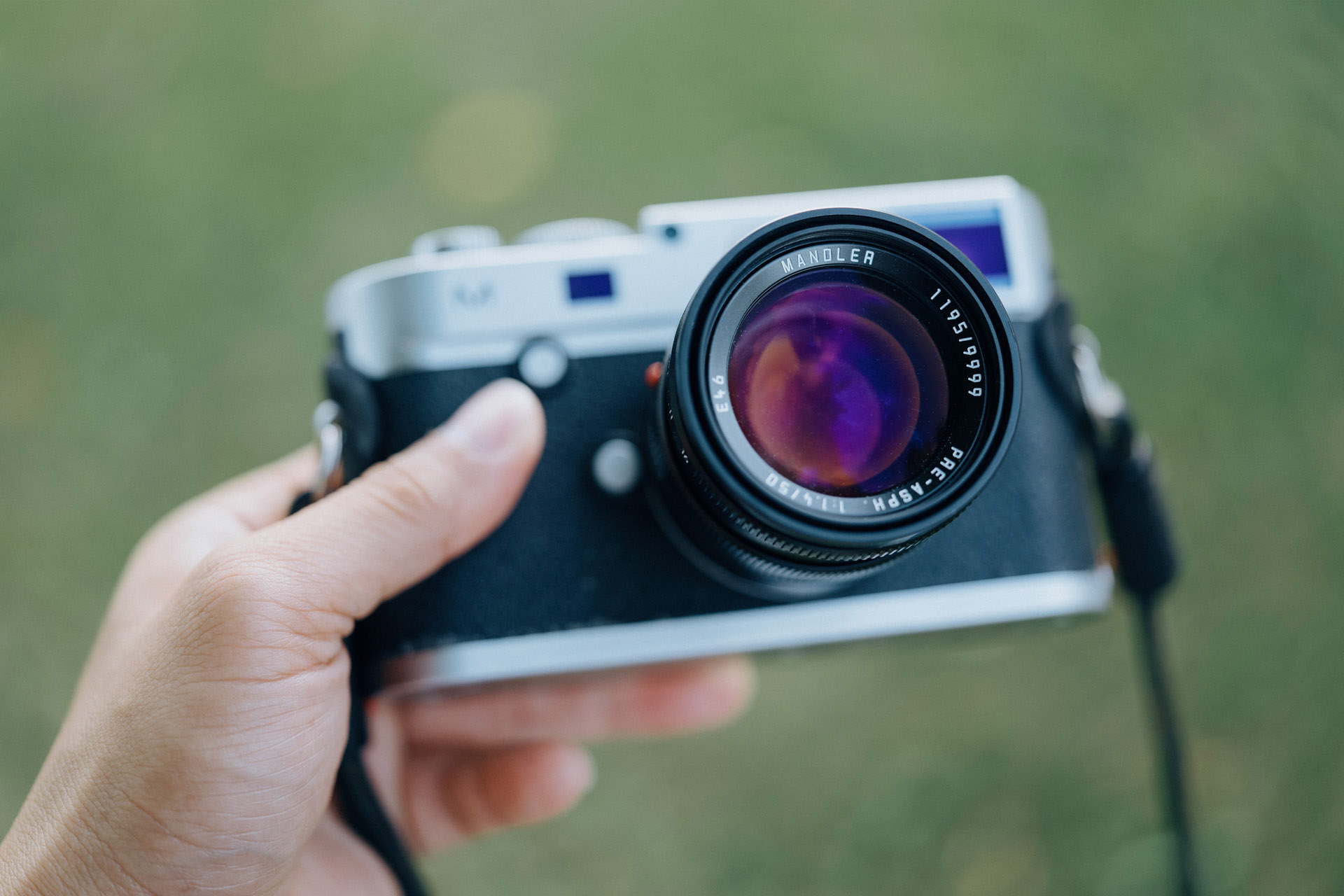
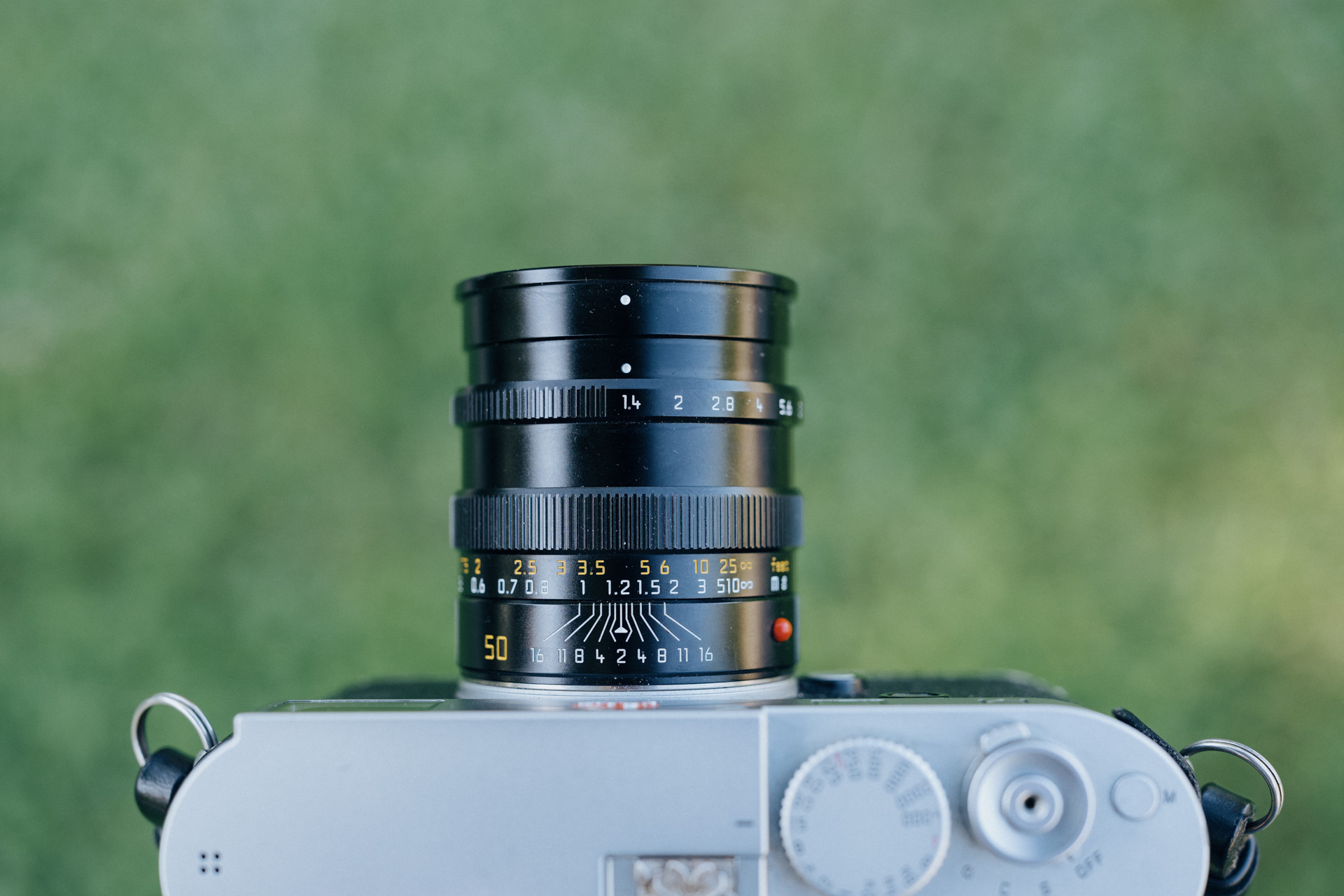
This lens introduces a built-in, retractable lens hood. For someone like me who's prone to losing accessories, it's a real convenience.
A hood also matters a lot for a fast lens like this, especially wide open — it significantly reduces the chance of internal flare, helping the image stay clearer.
If you're shooting on an M body, a 50mm lens already blocks a small portion of the lower-left corner of the viewfinder, and extending the hood blocks a little more. Overall, though, it's minor — nothing like a 50mm f/0.95, which can block nearly a quarter of the frame.
。。。
Central Resolution
Resolution is arguably the hard metric for modern lenses. After all, today's mainstream cameras routinely pack 30–50 megapixels, and if resolution can't keep up, it simply can't carry the image — just look at old lenses adapted onto modern bodies: the optical character is still there, but zoom in and the shortfall in sharpness becomes obvious.
Mandler
「It has the character of an old lens, while still delivering solid image quality.」
50mm F1.4
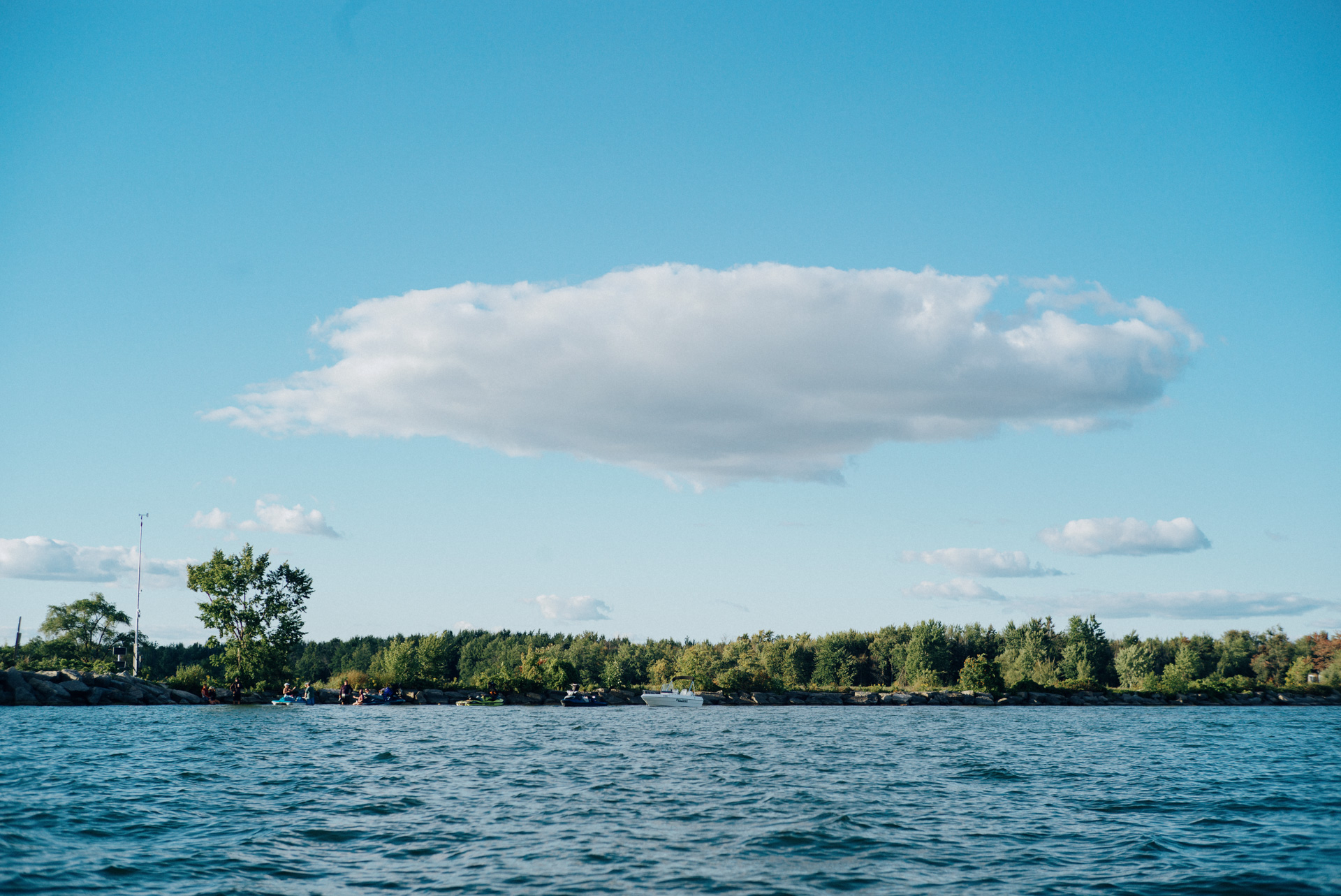
As mentioned earlier, the Mandler 50mm F1.4 pre-A incorporates ED low-dispersion and HRI high-refractive-index elements. With this modern upgrade, chromatic aberration is reduced and central resolution is improved enough to satisfy most of what today's cameras demand.


Leica m240 + Mandler 50mm F1.4 | 1/750,@F4,ISO 100
「Stopped down to F4, at 100% crop, the image quality still holds up.」
Mandler
「I love how the image is sharp, yet still carries a gentle quality.」
50mm F1.4
Purple Fringing
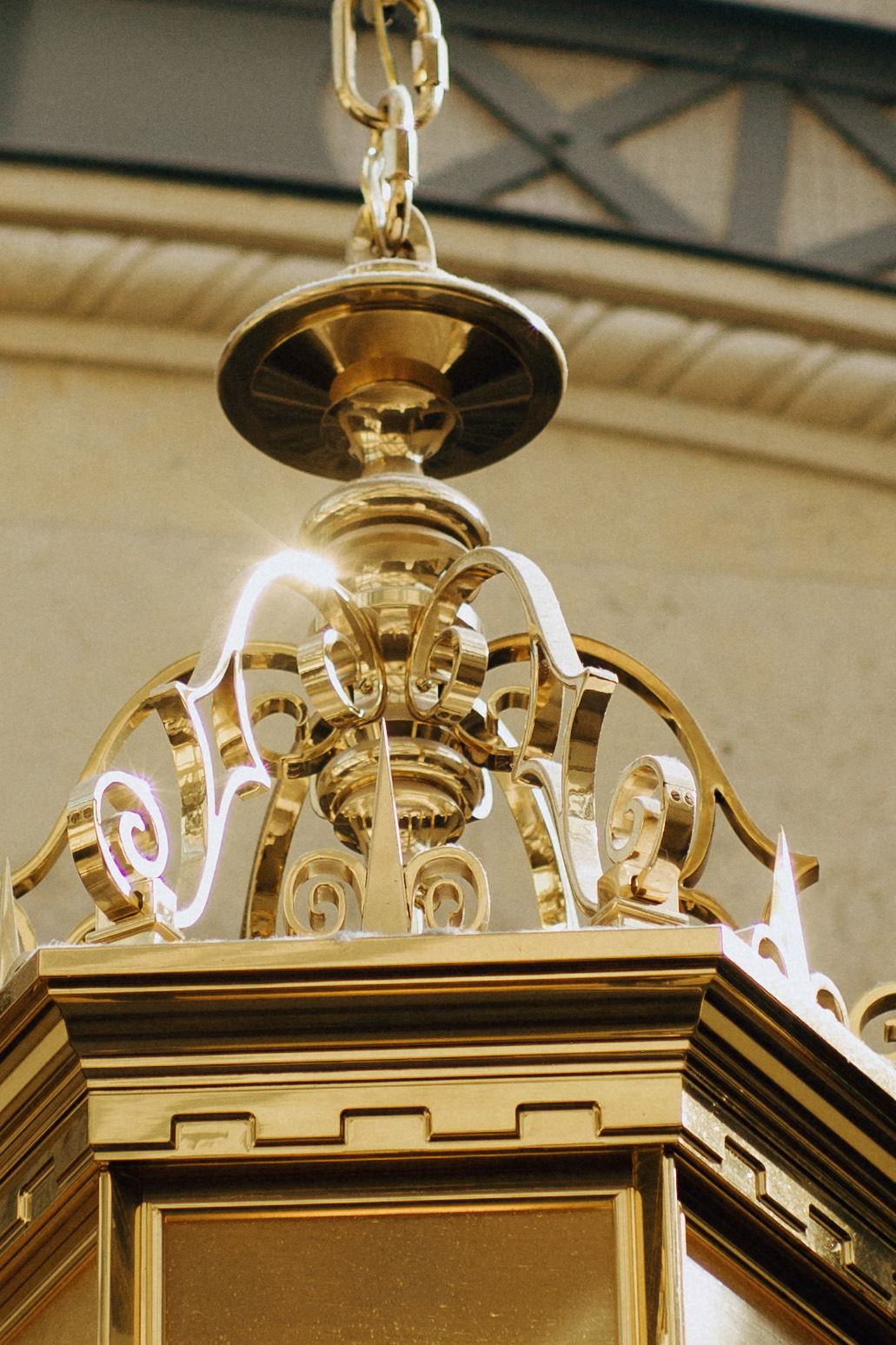
Under high-contrast highlights, the Mandler 50mm F1.4 pre-A does occasionally show some purple fringing — worth noting specifically, as metallic surfaces are particularly prone to it, though in most cases the fringing is fairly mild. As we know, purely spherical elements can't fully eliminate highlight bloom, but thanks to the coating and lens group design, fringing here is still kept at a relatively controlled level.
Stopping down to F2 or F2.8 generally improves it, though it may not disappear entirely. Correcting it in Lightroom afterward is a convenient option.
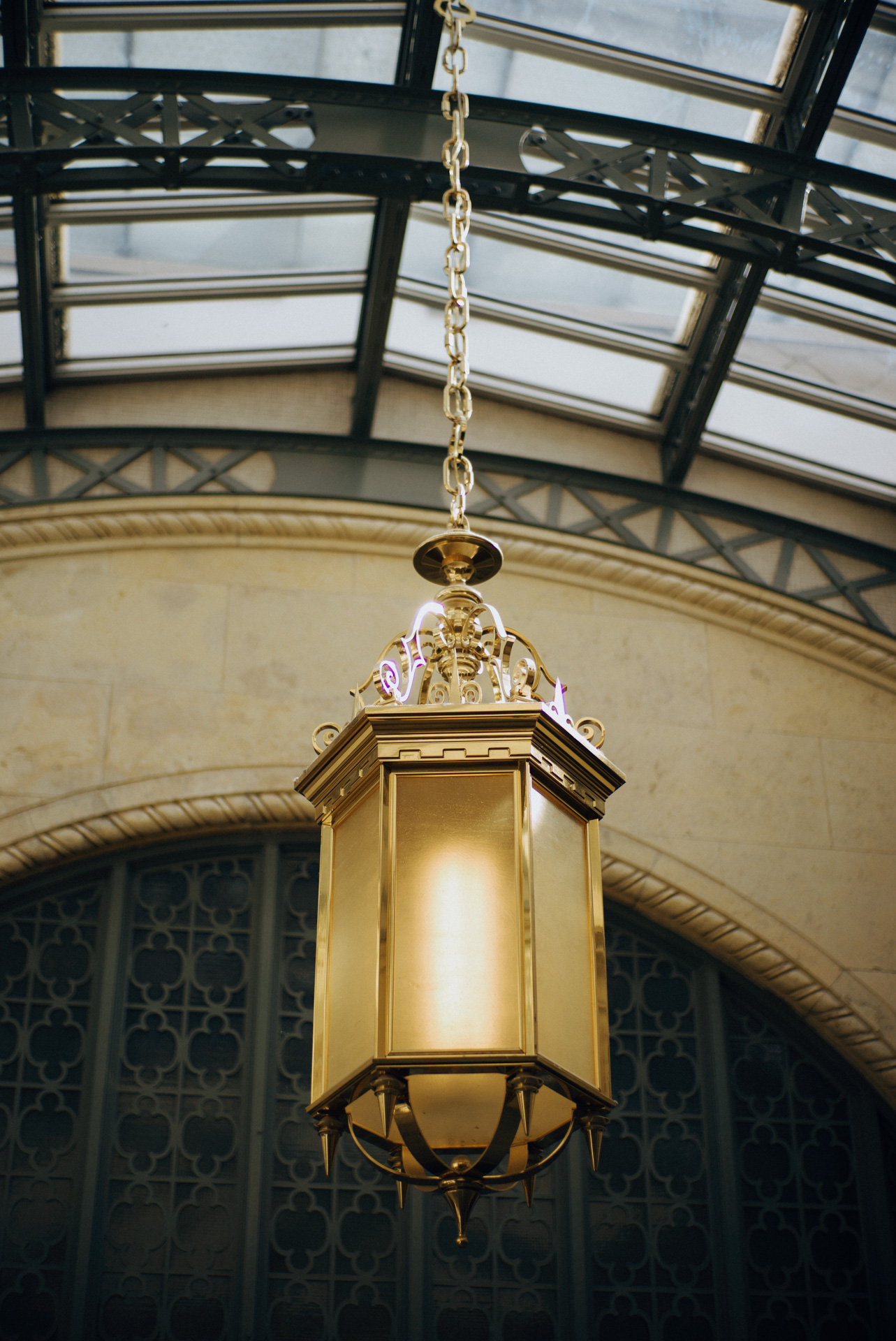
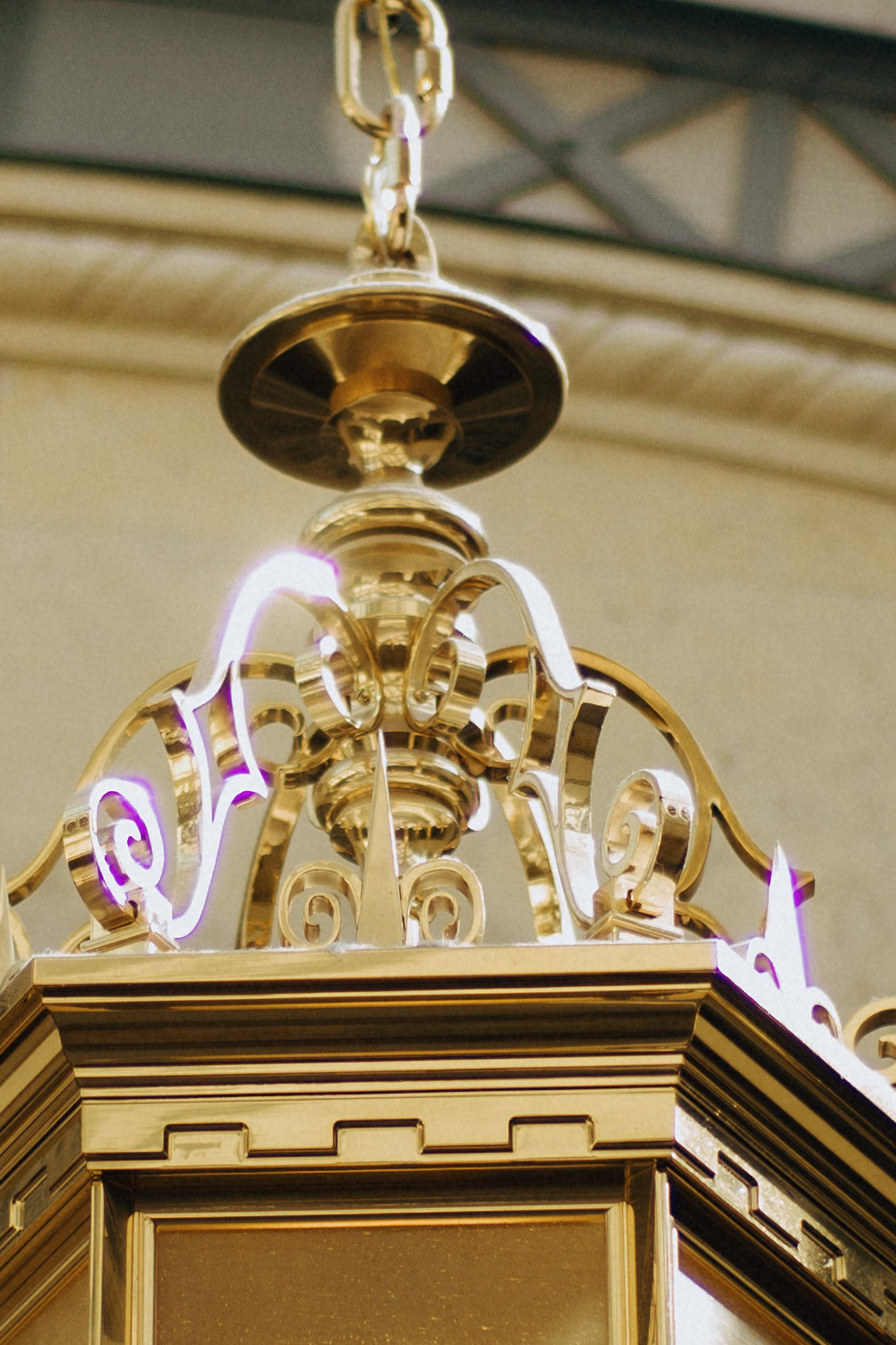
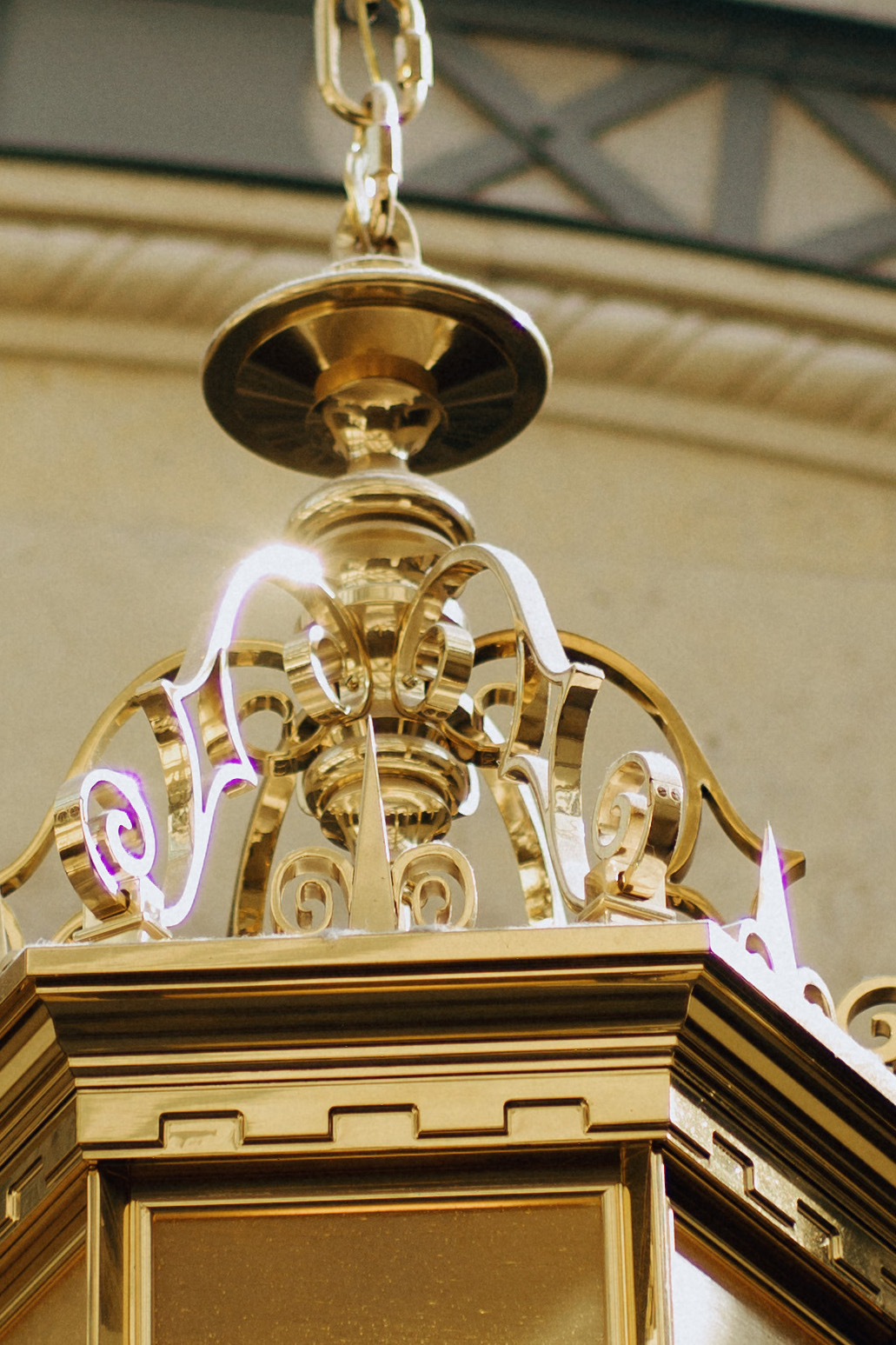
@F1.4
@F2.0
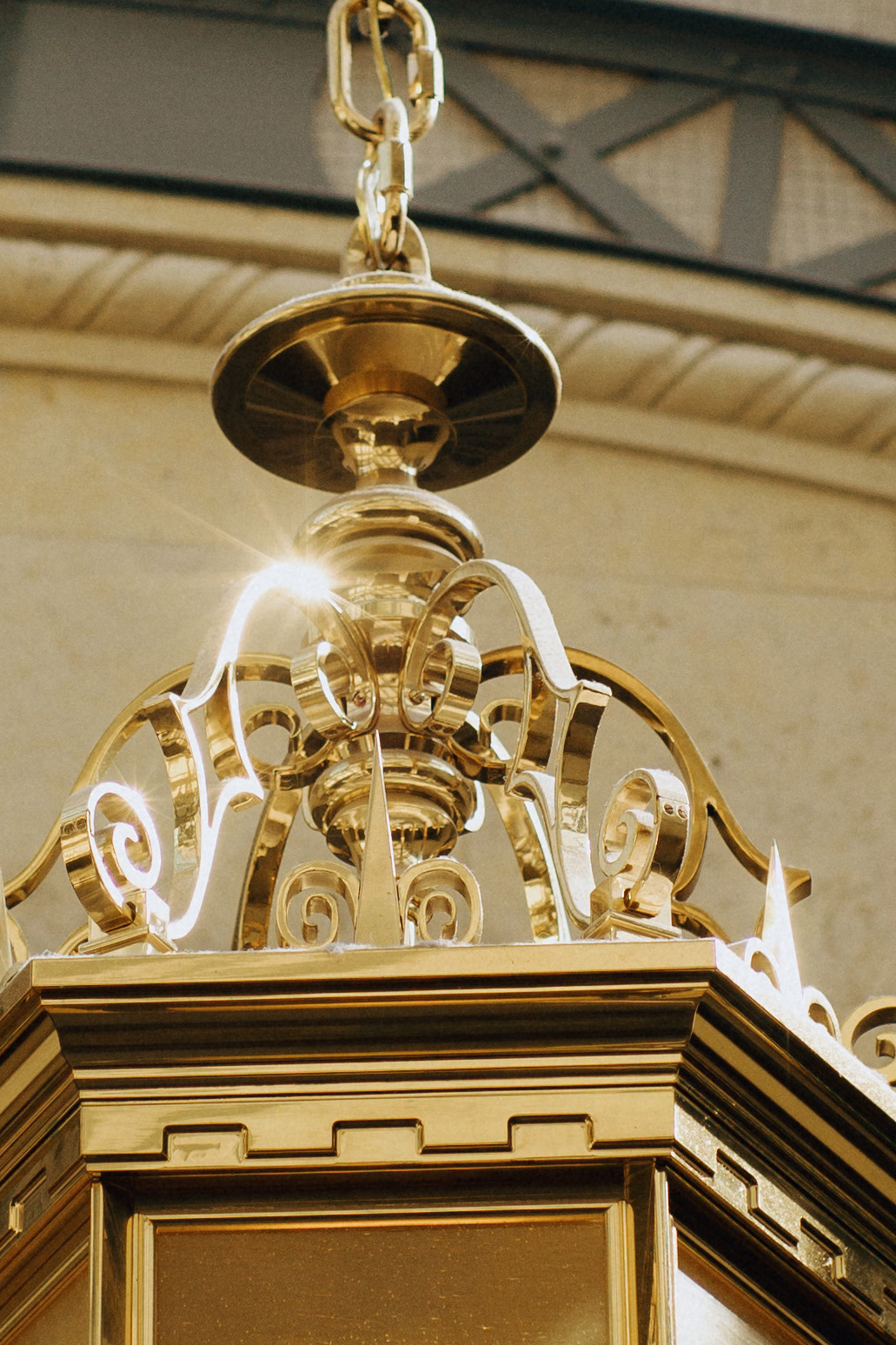
@F4.0
@F2.8
Leica m240 + Mandler 50mm F1.4
。。。
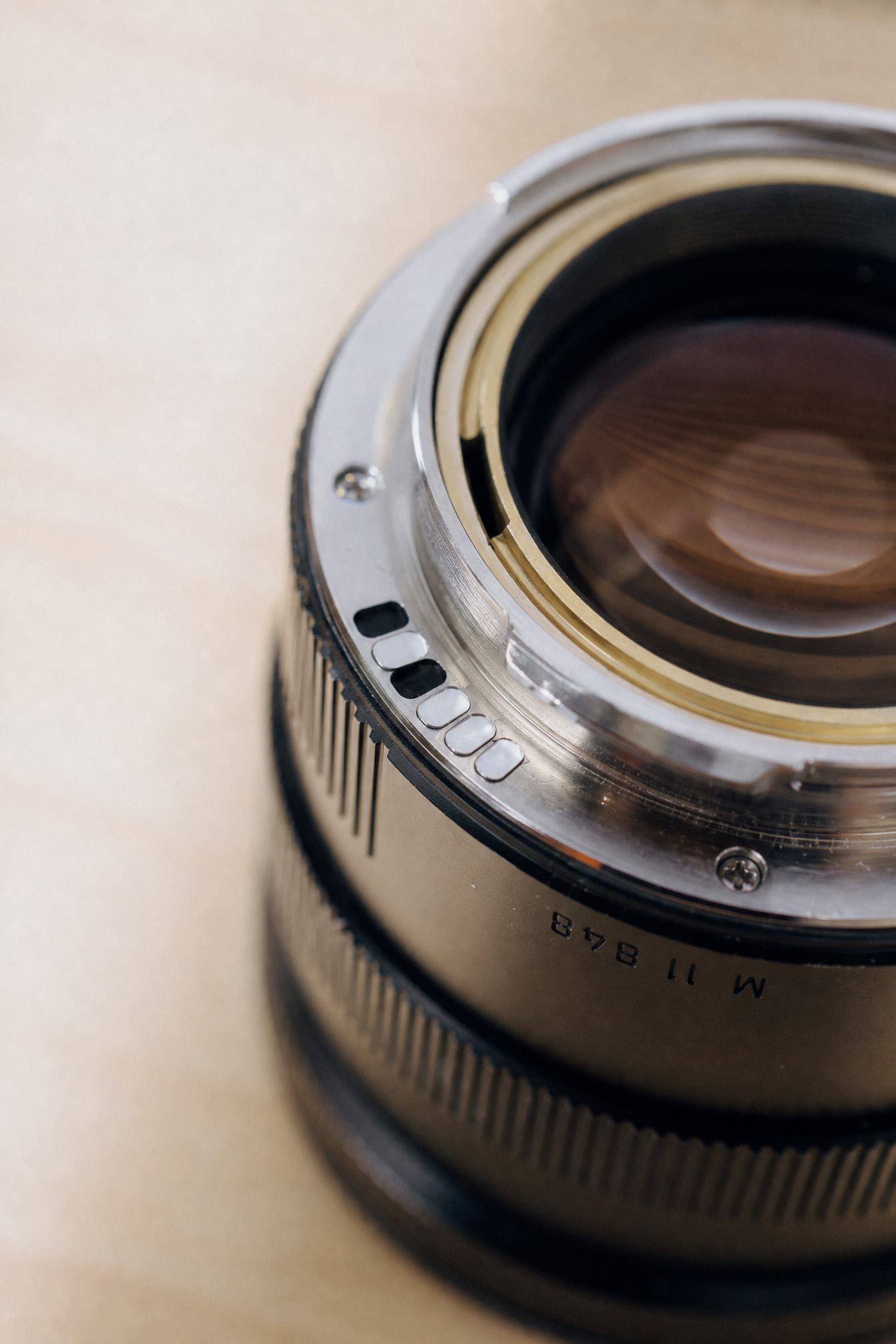
Built-in 6-bit Coding System
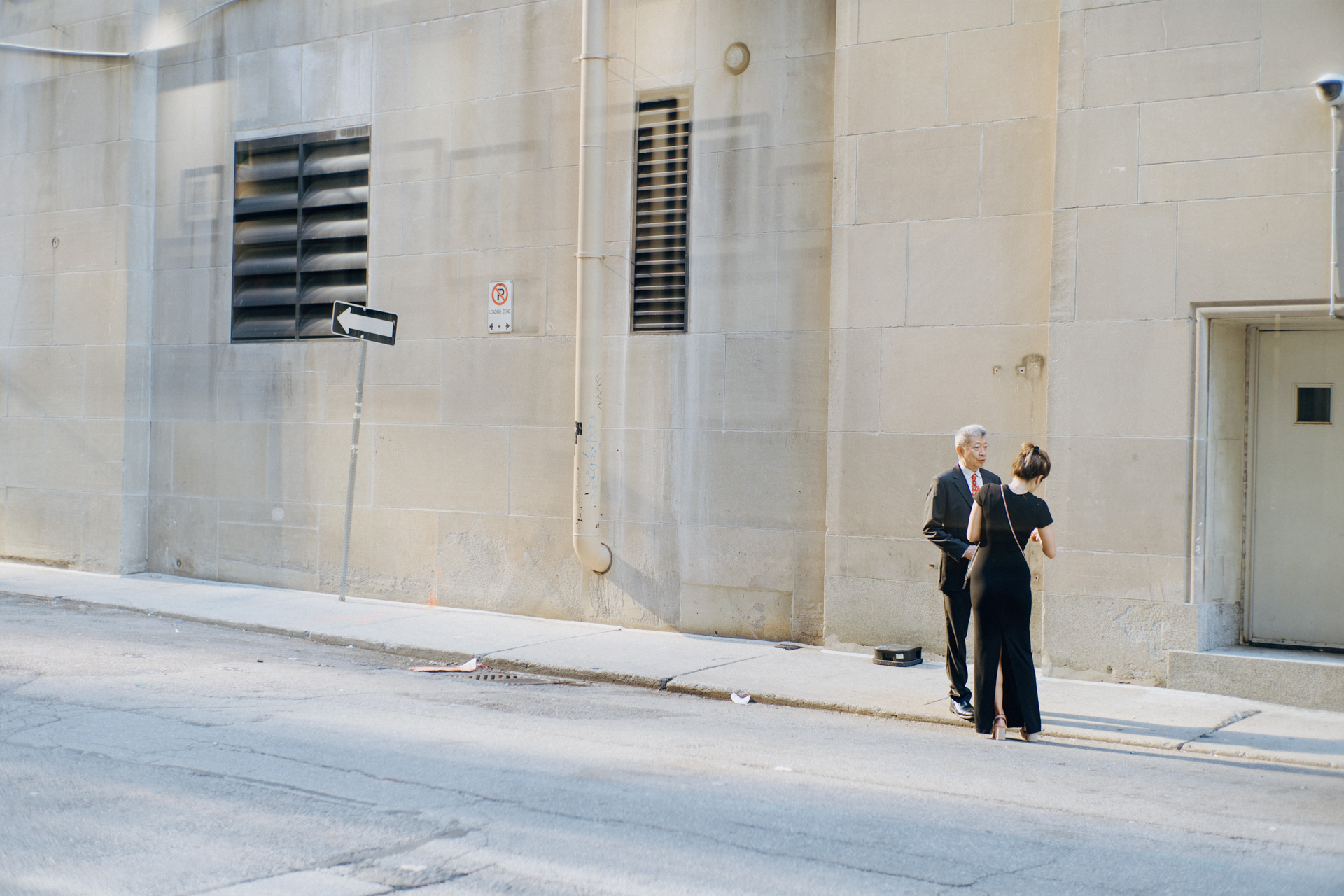
The built-in 6-bit coding lets Leica bodies recognize it as a 50mm F1.4 lens. The camera's in-body corrections reduce vignetting and slightly soften central sharpness in exchange for a more even rendering across the frame.
So what happens if you turn off the coding? You get higher sharpness and more pronounced corner light falloff. The difference is quite noticeable — in a sense, it's the same lens switching between two distinct personalities.
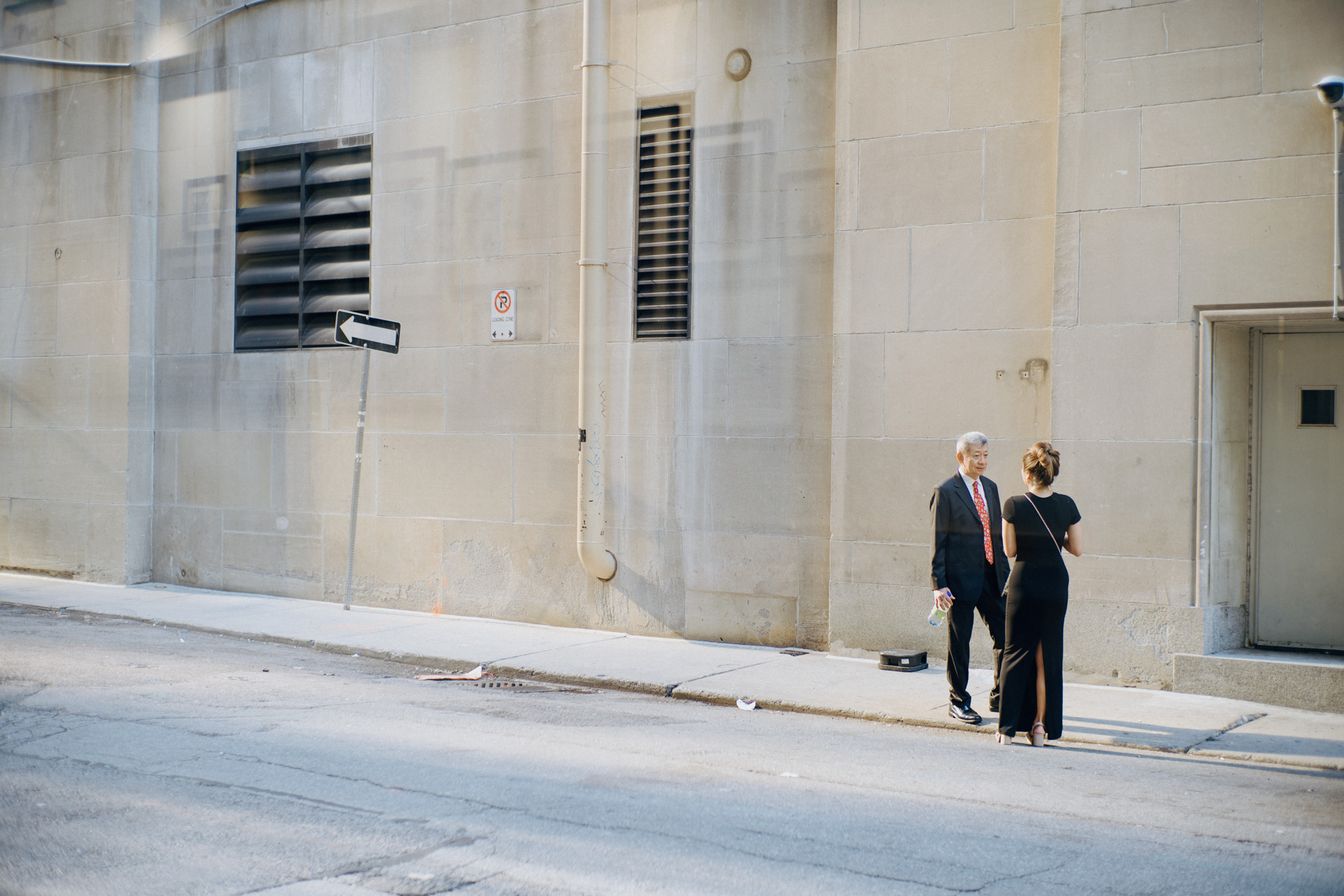
LeicaSL3s + Mandler 50mm F1.4 @F2.0 | 6 bit off
LeicaSL3s + Mandler 50mm F1.4 @F2.0 | 6 bit on
Mandler
「One lens, two personalities.」
50mm F1.4
。。。
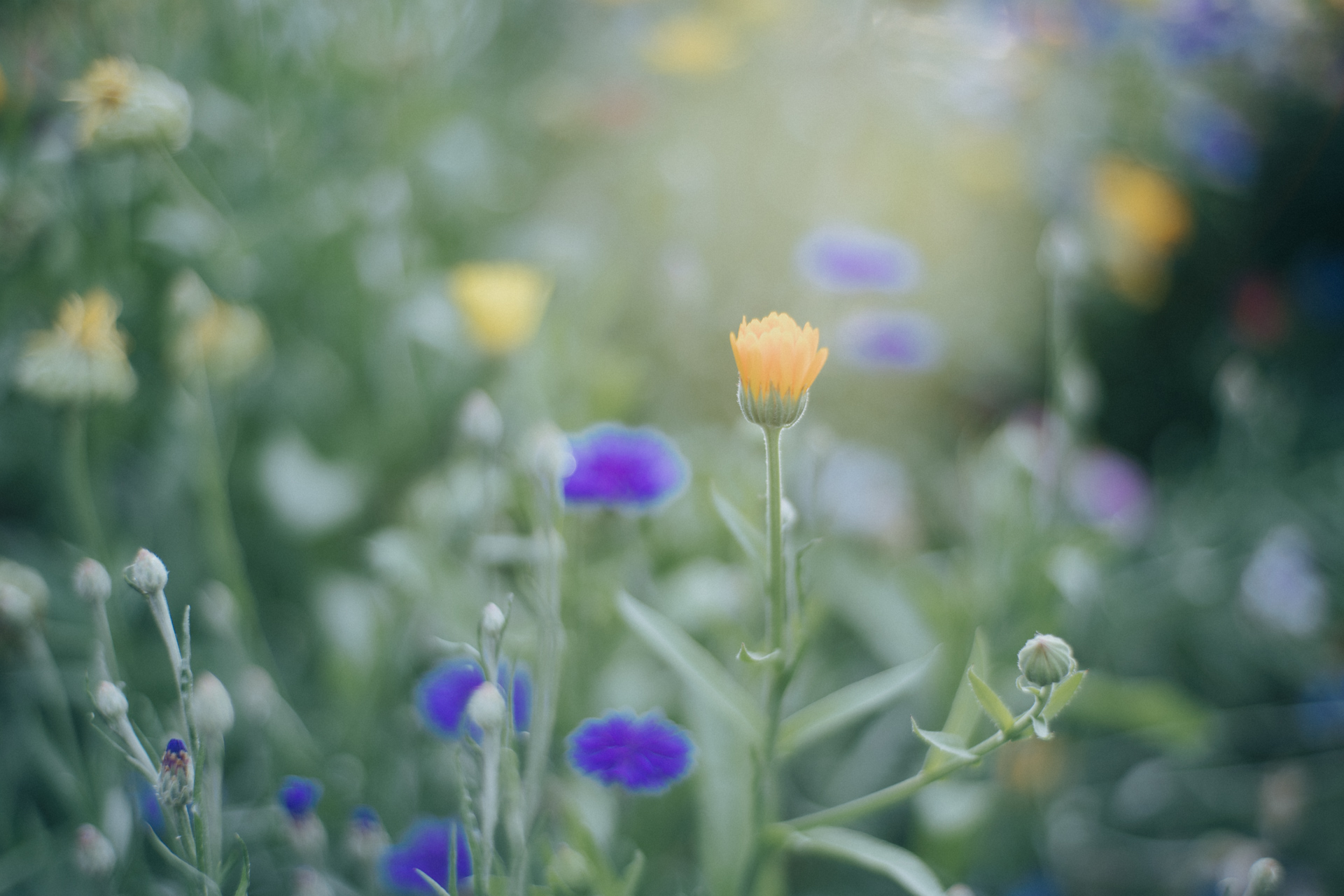
0.5m Minimum Focus Distance
For M-mount lenses, minimum focus distance is one of the biggest inherent limitations.
Without lengthening the focus throw, the Mandler 50mm F1.4 pre-A brings the minimum focus distance from the E46's 0.7m down to 0.5m. Paired with Live View on an M body, or adapted onto an SL3-S (or another mirrorless camera), that 0.5m close-focus capability delivers a more pronounced bokeh and more precise focusing.
This is also why Mandler had to redesign the original E43 optical formula.
。。。
Flare
Remember the flare I mentioned in the lens hood section?
The thing I ran into most often while shooting was flare at wide apertures — after all, the built-in retractable hood doesn't provide as much shading depth as a screw-on one.
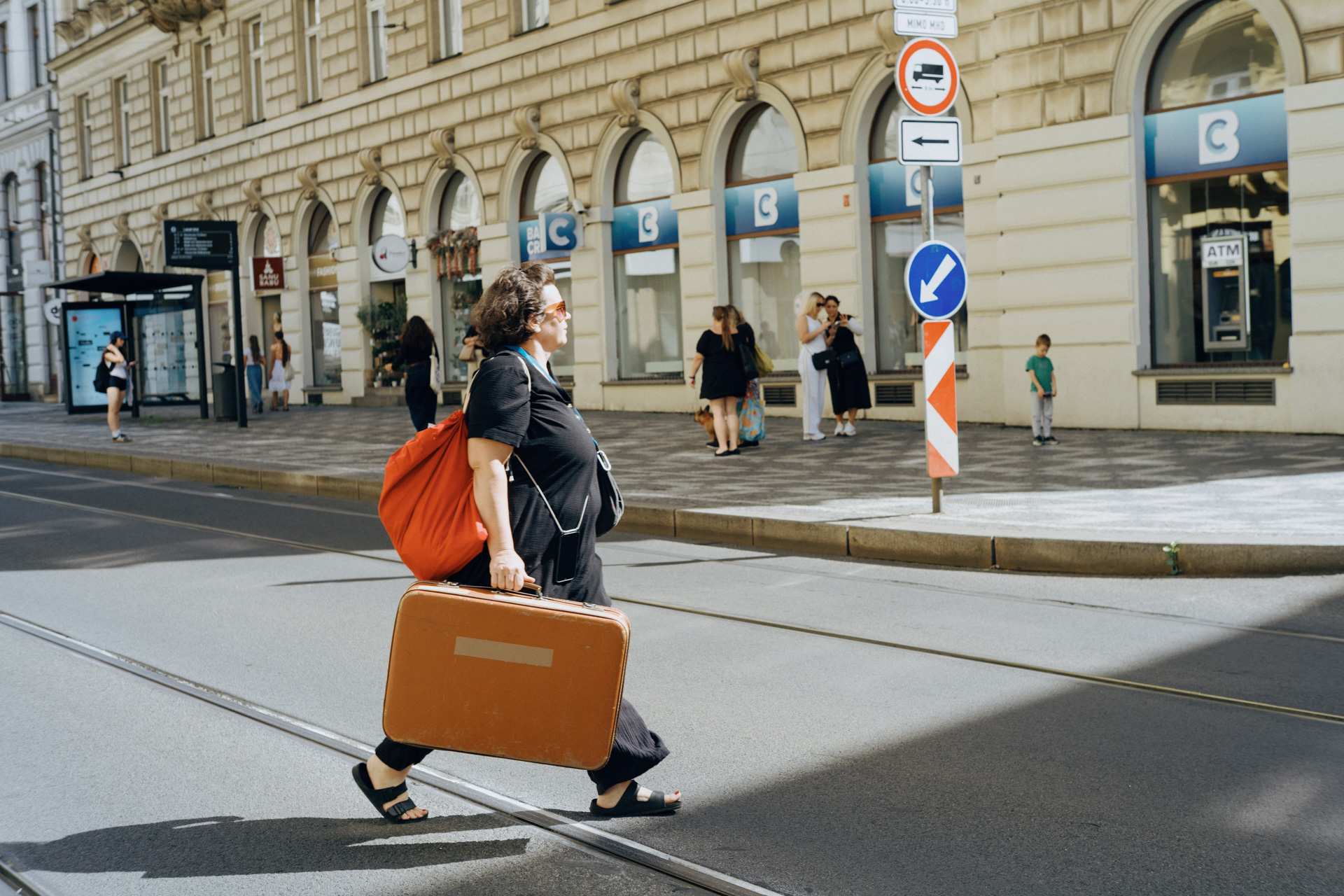
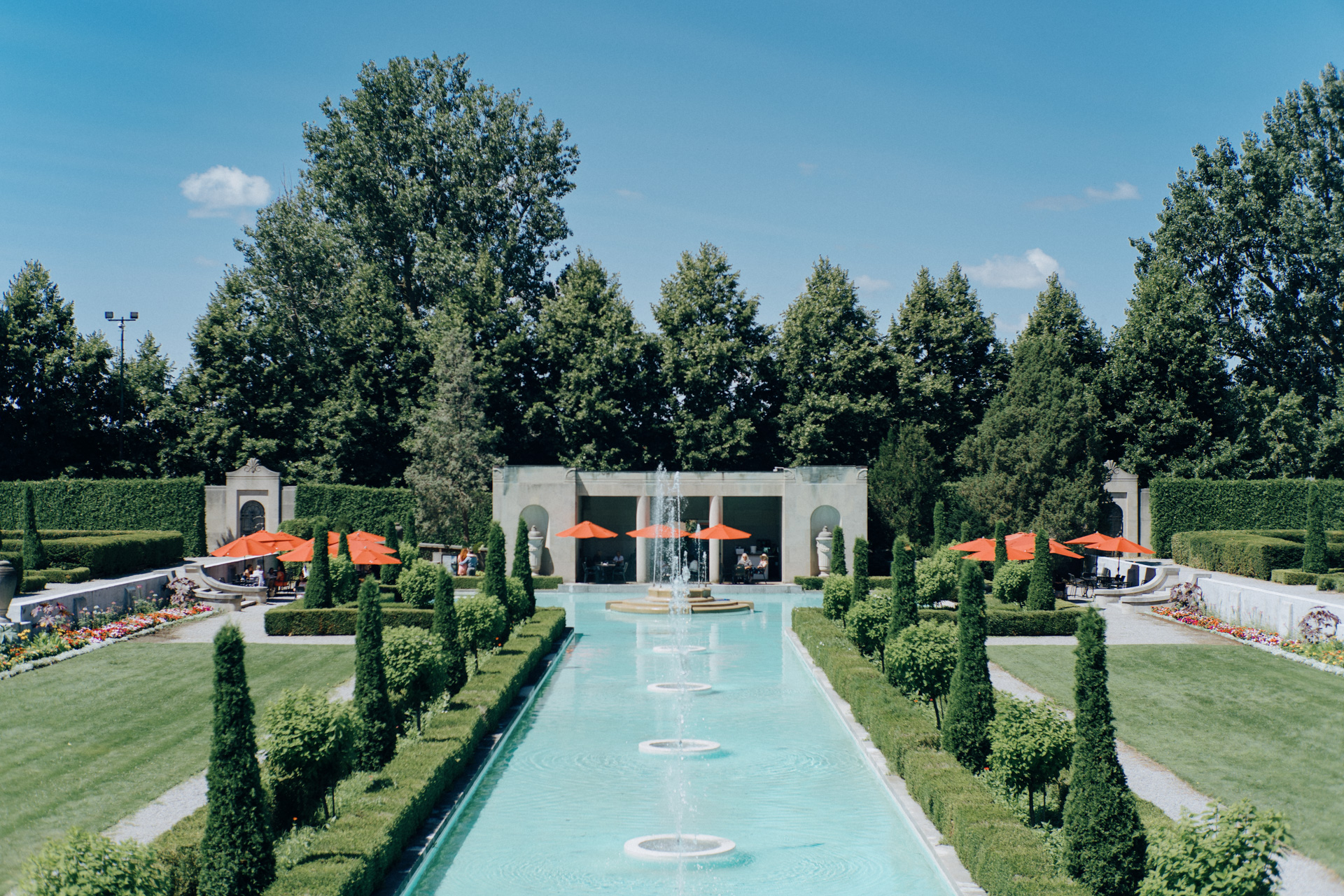
From the sample shots, you can see the image still holds decent clarity at F1.4; stopped down to F2, the center improves noticeably, and the corners get a bit better too; by F2.8 the improvement is even clearer, with both center and corners becoming sharp across the board.
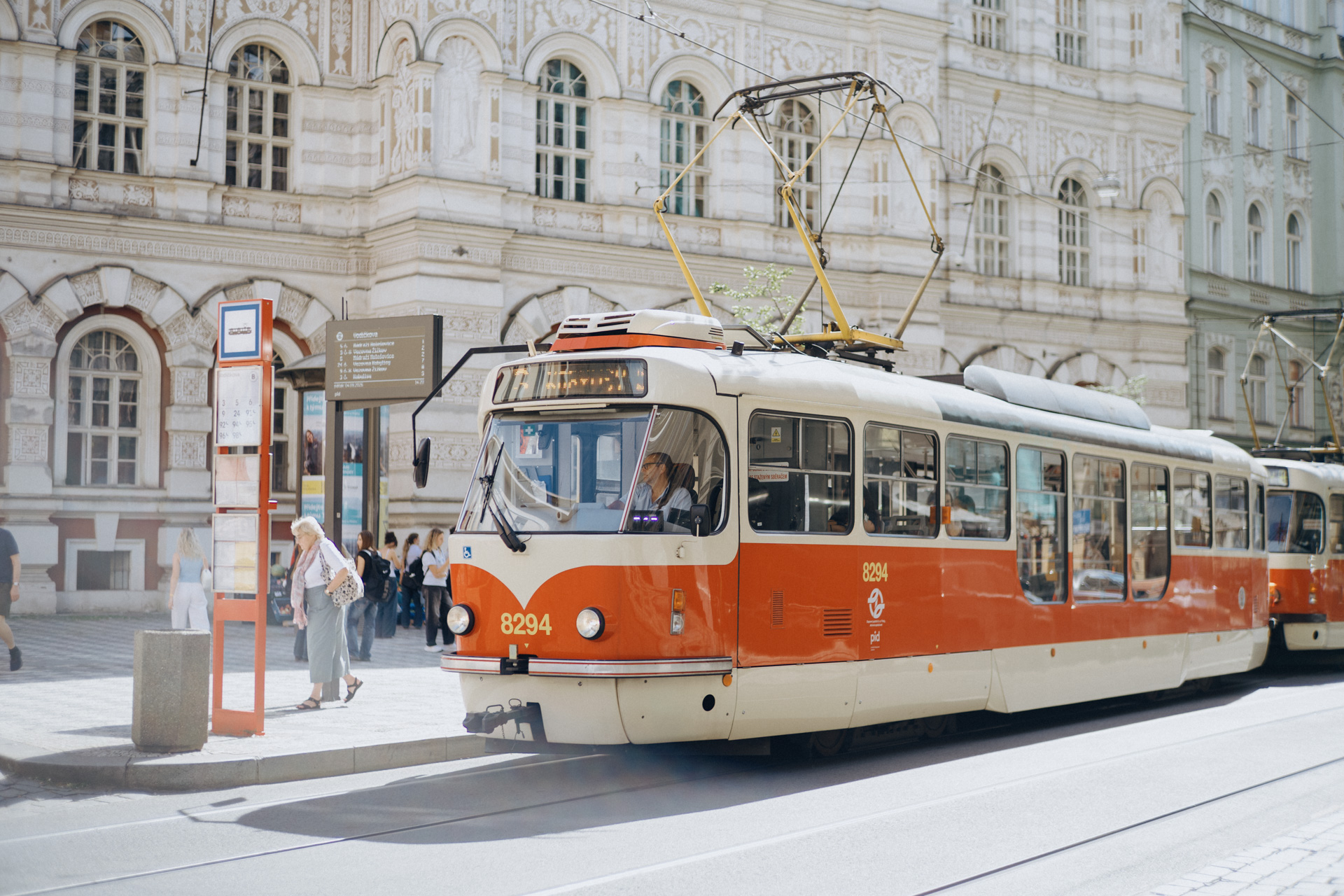
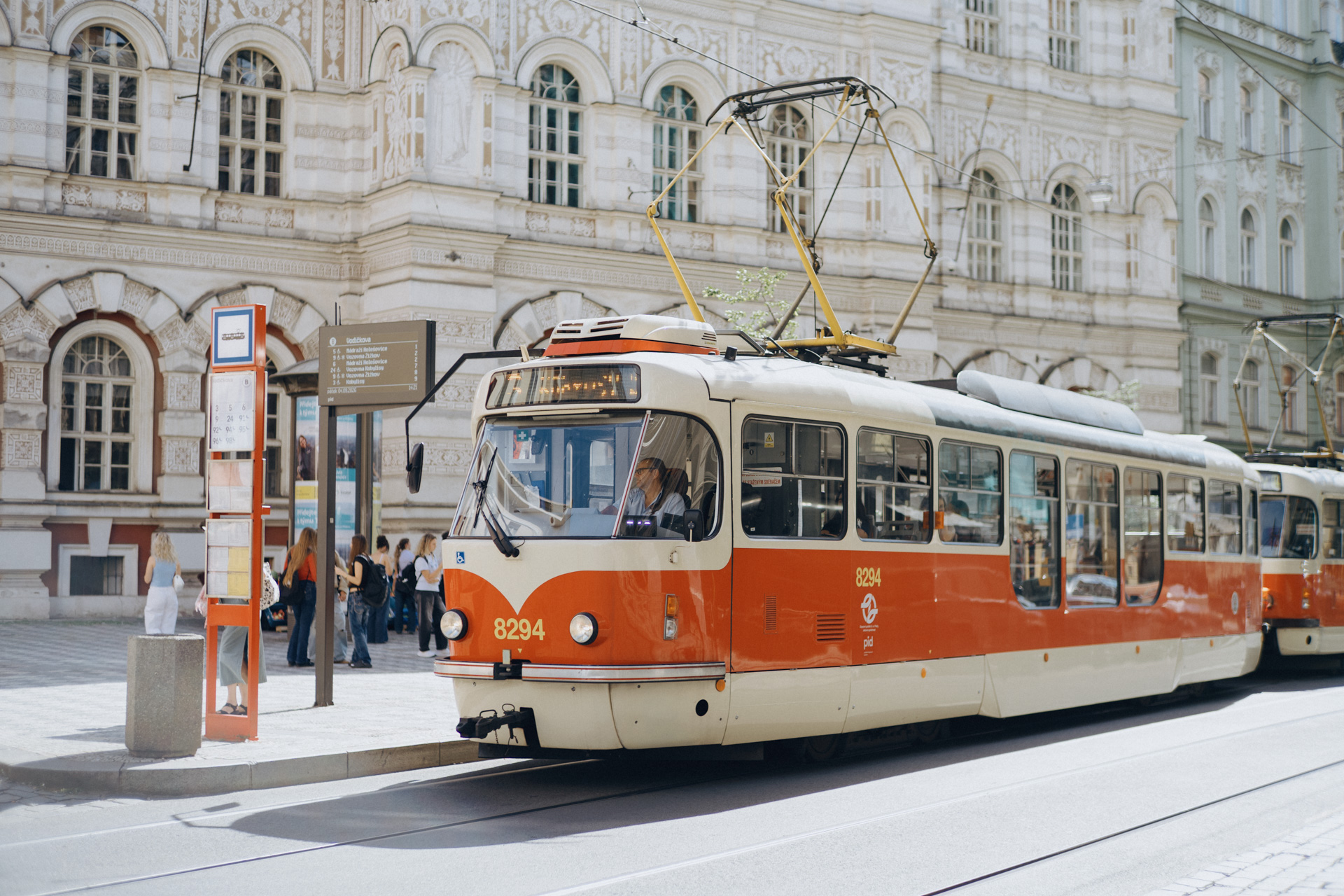
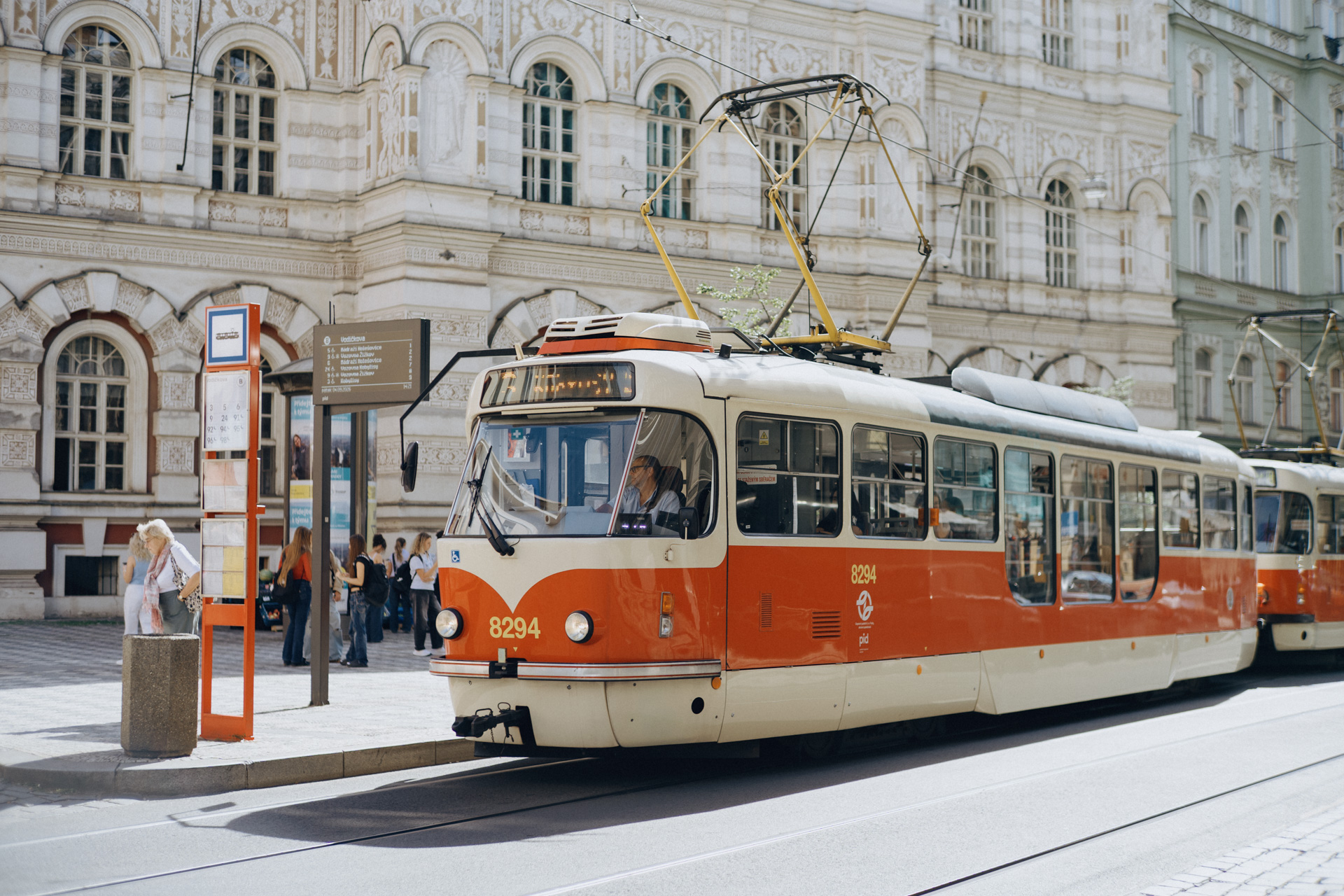
If you like this kind of flare, you'll probably love this lens. If you're not so keen on it, besides stopping down, pay attention to your shooting angle — try to avoid light hitting the front of the lens directly, or use your hand to shade it slightly. That alone will improve the issue right away.
。。。
Bokeh and Light Falloff Character
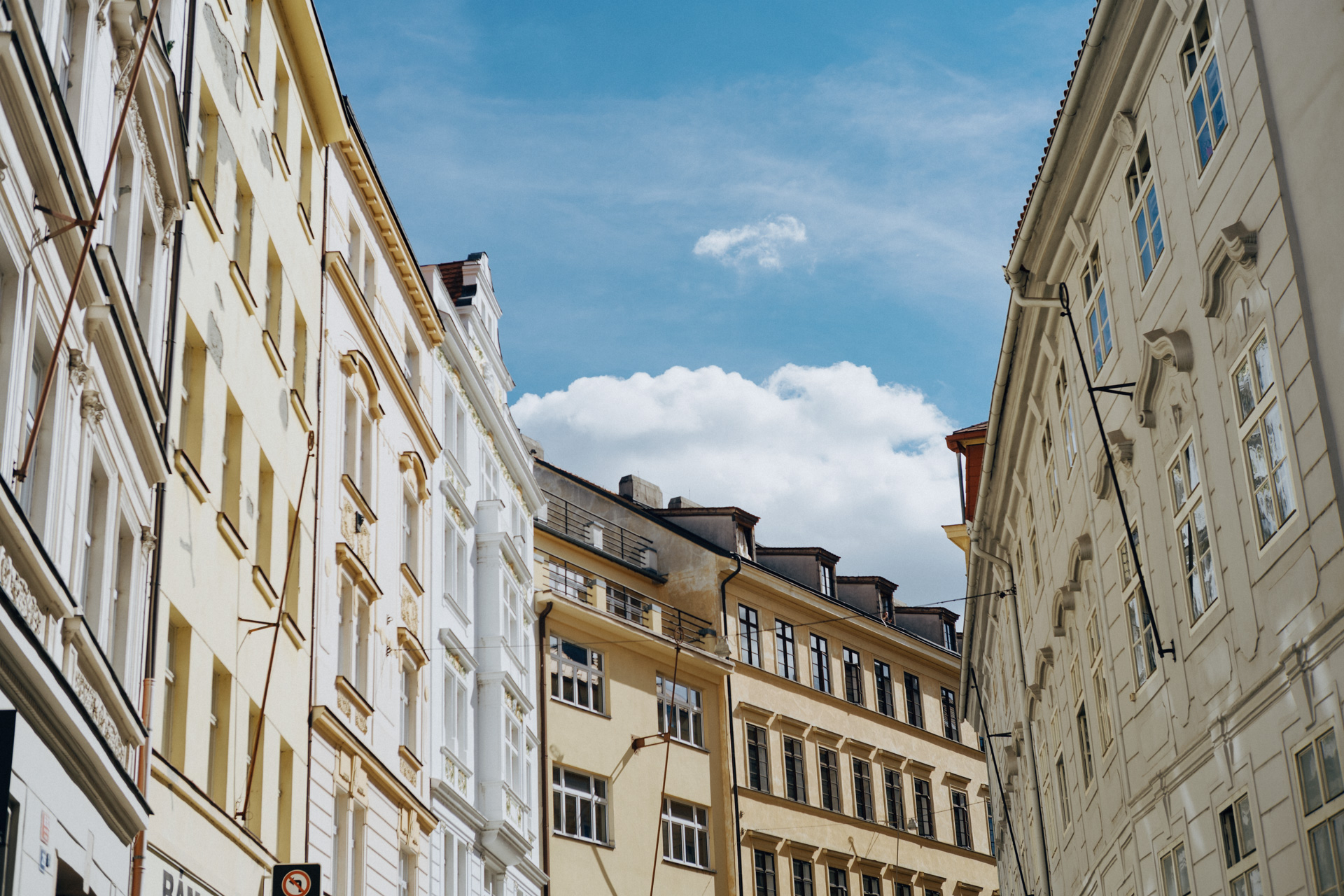
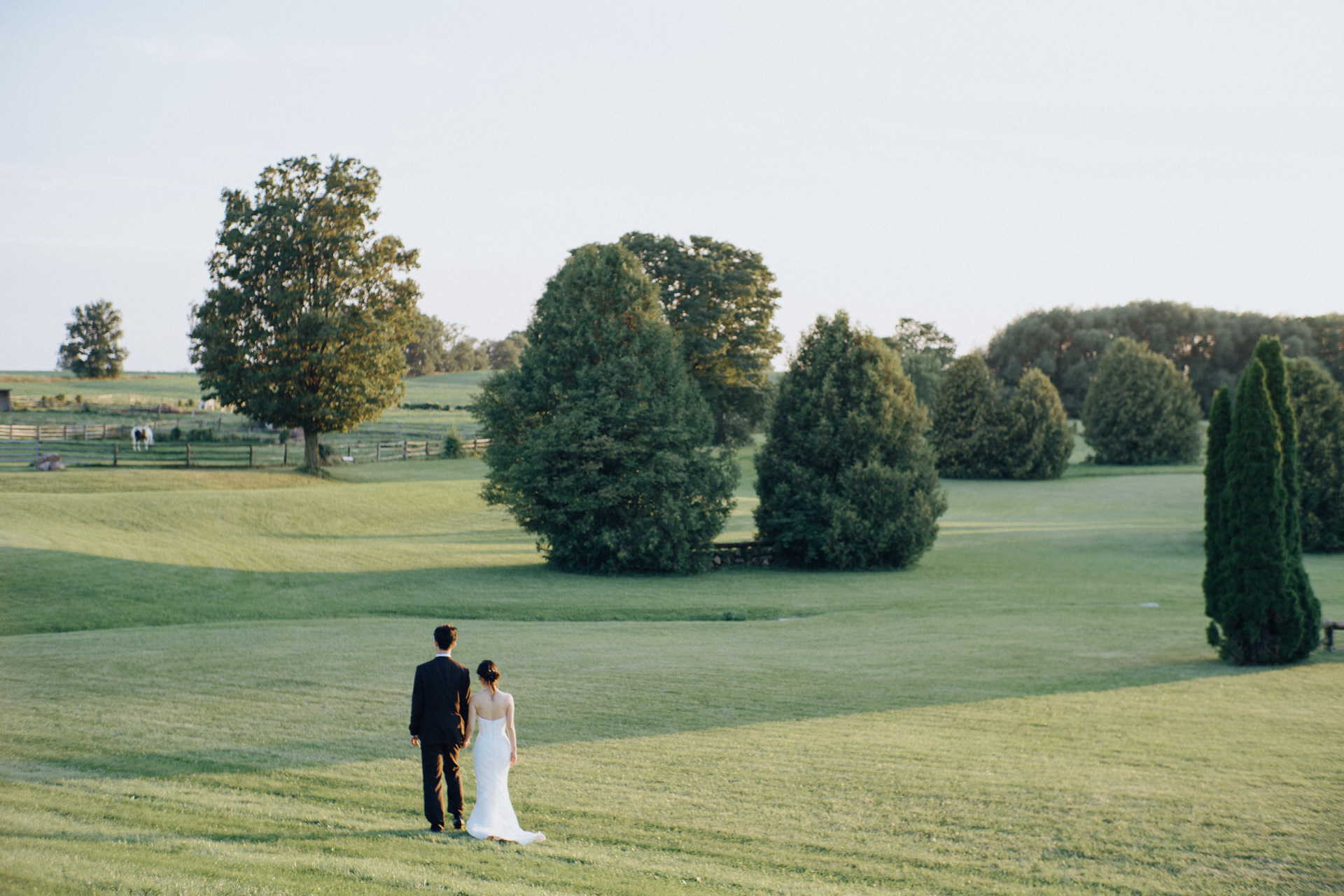
Compared to the Mandler 35mm F2, this 50mm doesn't have a swirly bokeh character wide open — it's more of a gentle, soft blur. The slight aberration from the spherical elements gives it a feel like it's conjuring an old-fashioned dreaminess.
As for corner light falloff at maximum aperture, it's fairly noticeable on this lens too:
- F1.4:Noticeable vignetting in the center and corners
- F2:Clear improvement overall
- F2.8–F4:A quite strong performance range
- Beyond F4:Stays at a high standard
Turning on the camera's lens-recognition function, so it identifies the lens via 6-bit coding (set as Summilux 50mm F1.4 ASPH), will automatically improve corner vignetting significantly.

Mandler
「Its bokeh isn't showy — it's simply gentle, wrapped in a soft focus.」
50mm F1.4
A Replacement for Leica Glass?
I've owned both the Zeiss 50mm F1.5 and the Leica 50mm F1.4 ASPH — two classic standard lenses — for years, and they hold a place in my heart that's hard to put into words. Or rather, they've accompanied me through different chapters of my photography — teaching me what Zeiss's creamy bokeh really means, and showing me what Leica's you-are-there three-dimensionality actually feels like.
So when people ask me whether the Mandler 50mm F1.4 pre-A can replace Leica, I don't think I'd say it "replaces" anyone.
Leica's value was never just about optics — it's also the refinement of how it feels in hand, and the satisfaction of simply owning one. Mandler, by comparison, is more about bringing that classic purely-spherical character to a far more accessible price point for everyone.

Leica's value was never just about optics — it's also the refinement of how it feels in hand, and the satisfaction of simply owning one. Mandler, by comparison, is more about bringing that classic purely-spherical character to a far more accessible price point for everyone.
Note: E43 and E46 refer to the filter-thread designations of different eras of the Summilux-M 50mm f/1.4. The E43 (1961–1995) covers the second and third generations; the E46 (1995–2004) was the final purely spherical version with an improved barrel and build, after which Leica moved entirely to aspherical (ASPH) designs.
About E43 & E46
。。。
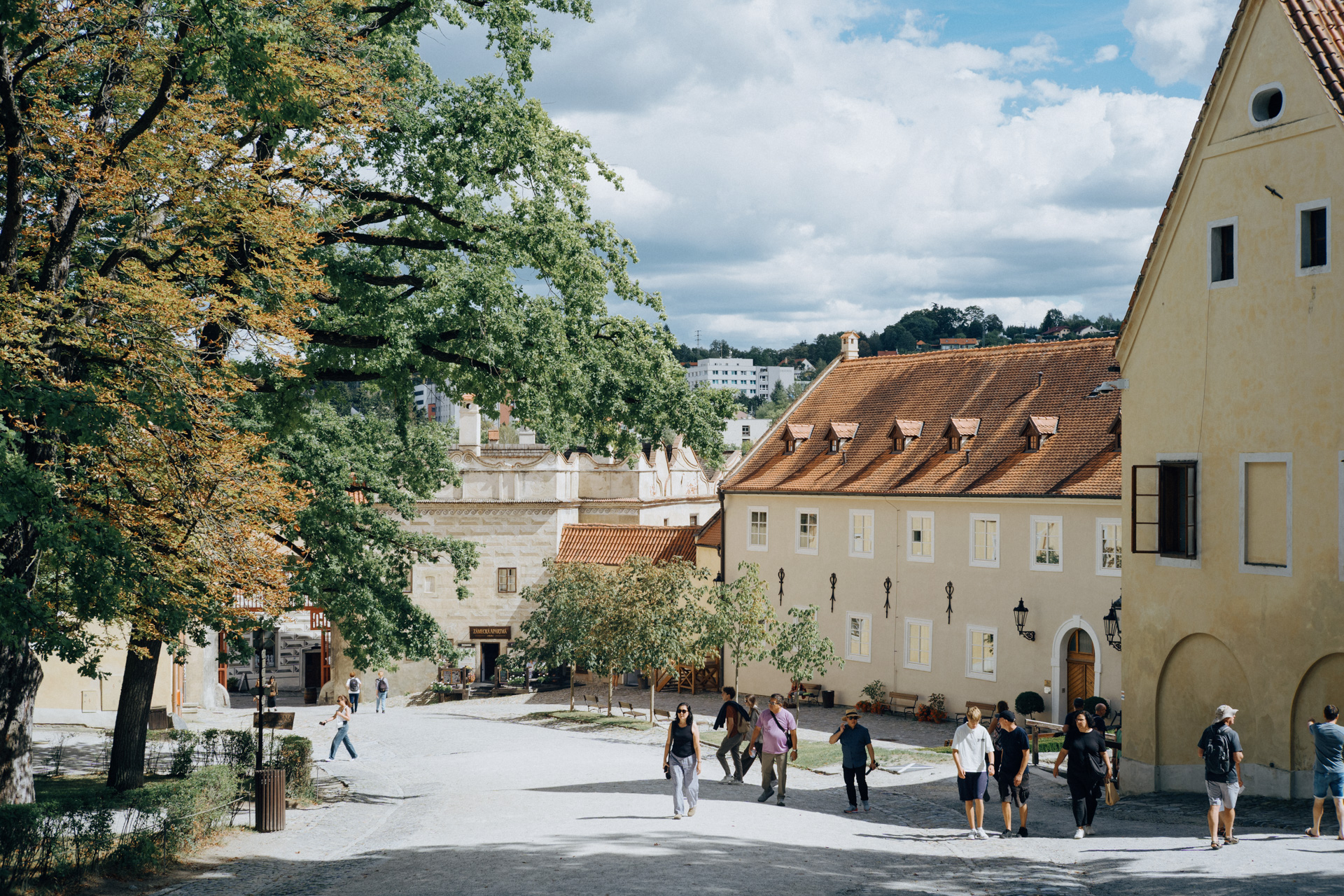
Coming back to the act of shooting itself — the appeal of a manual lens was never about speed. It's about enjoying the process of watching the image sharpen from blur to clarity, being fully in control of your own pace, as if completing a chain of small photographic challenges.
Mandler
「The appeal of a manual lens isn't speed — it's the joy of watching the image gradually come into focus.」
50mm F1.4
As Mandler's second lens release, it genuinely took longer, and more effort, to refine. Throughout this period, I kept hearing from the Mandler team about designs being scrapped and redone, revised again and again. The wait may have really been a long one, but I have a lot of respect for that kind of commitment to getting the product right.
As photographers who love cameras and lenses, we always hope to own a high-quality lens without an exorbitant cost — wouldn't you agree?
。。。
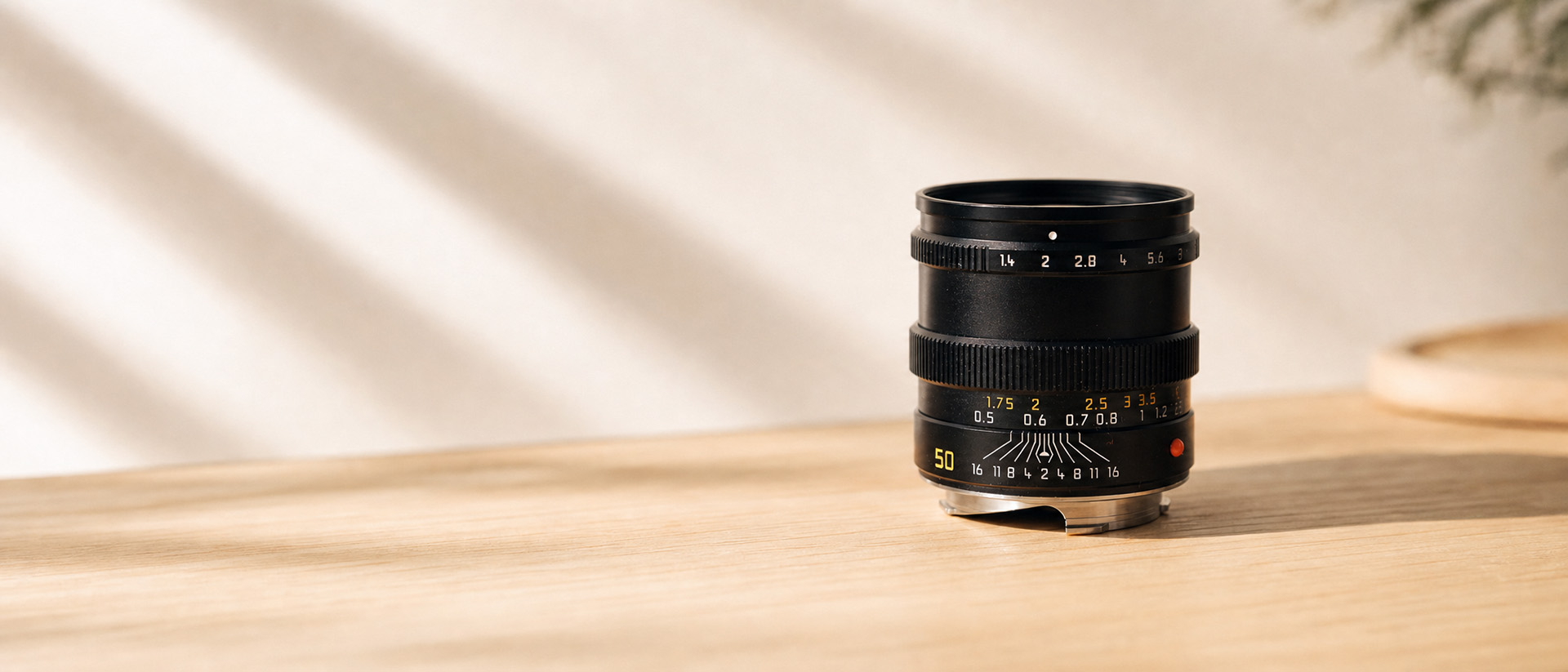
Core Optical Highlights
- Construction: Purely spherical optical design with 9 aperture blades. Coating matches the original E46, giving rich, buttery color rendering.
- Wide-open (F1.4) performance: Central sharpness surpasses both the original E46 and the 2025 reissue, while bokeh retains that distinctive spherical dimensionality.
- Resolution progression: Corners reach landscape-grade standard at F4; center and corners match by F8.
- Close focus: 0.5m minimum focus distance for far more convenient shooting.
- Built-in lens hood: Simple and practical — no need to fuss with a screw-on hood.
- 6-bit coding: One lens, two distinct rendering styles.
規格說明
Lens Name: Mandler 50mm F1.4 pre-A (a tribute to the SUMMILUX-M 1:1.4/50 PRE-ASPH · E46)
Type: Prime lens
Format:Full-frame
Focal Length:50mm
Optical Formula:7 elements in 5 groups
Filter Size:E46 , 46mm
Aperture Blades:Aperture type: click-stop, with half-stop adjustment support
.Aperture Rangef/1.4 至 f/16: f/1.4至f/16
.Aperture Blades:12片
Focus Range:0.5m to infinity
Mount: M-mount quick-release, built-in 6-bit coding
Dimensions:Length 34mm, diameter 52mm
Weight:Approx. 139g (aluminum alloy) / approx. 215g (solid brass)
。。。












Share this story