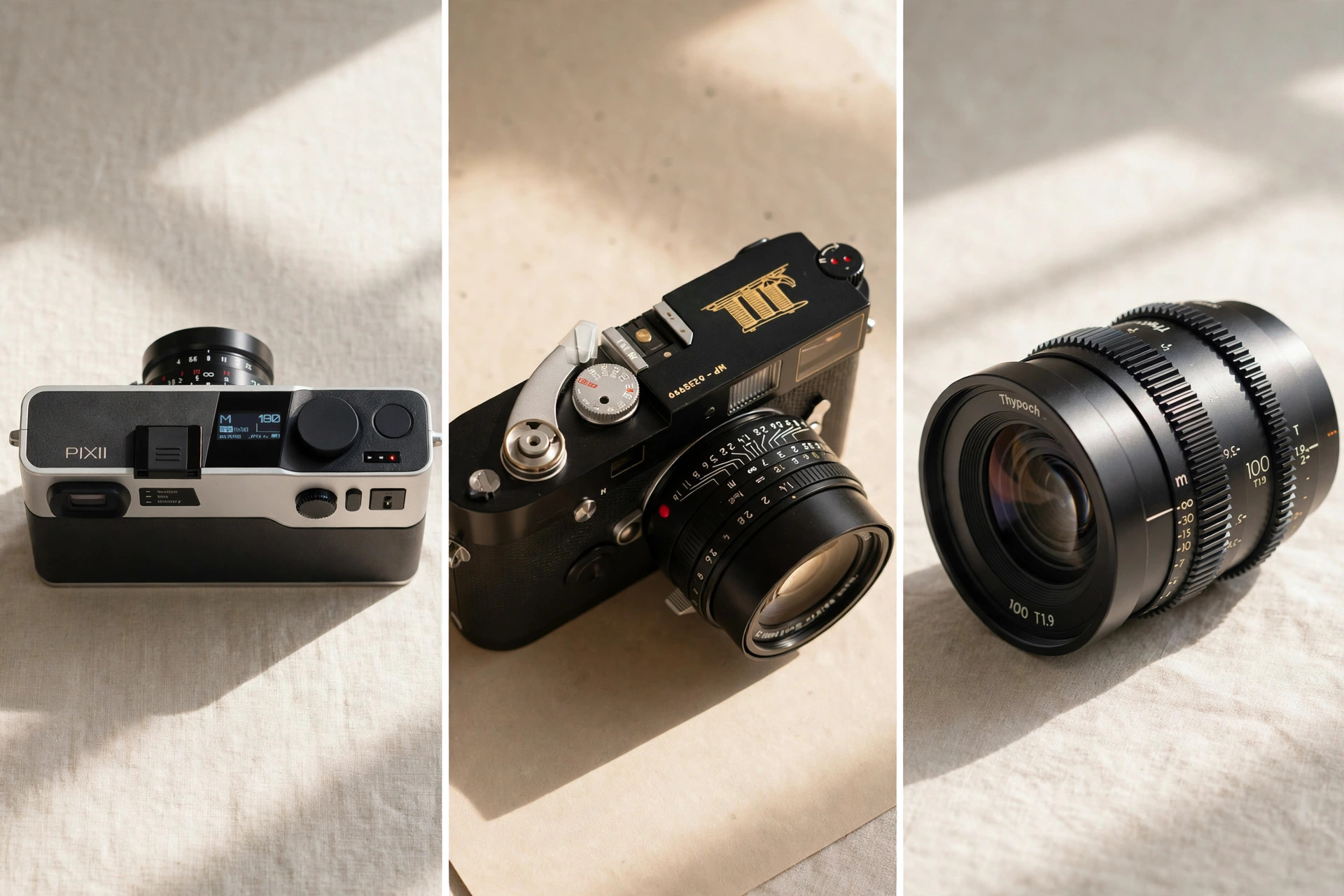
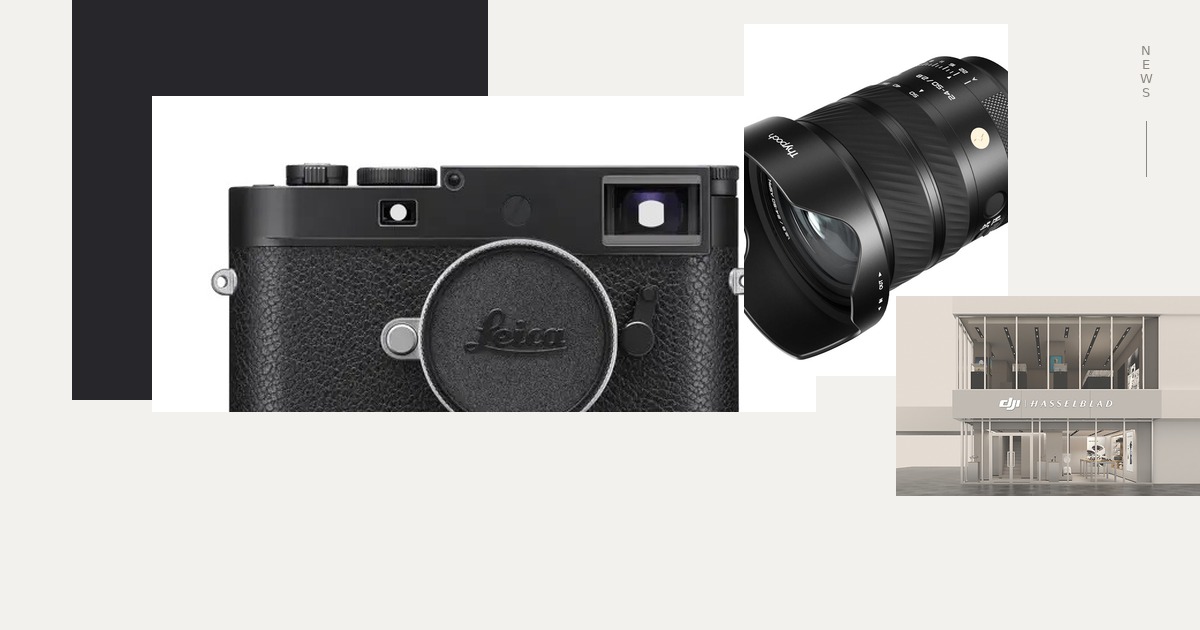
Three stories: Q3 43 F1 Edition · Leica Q4 · Thypoch Simera 50mm
Camera Forest News 2026.10.22
Camera Forest News
Collabs, Rumours & Tests
Three stories this issue: Leica’s first Formula 1 collaboration goes on sale, a sensor-level look at the still-unseen Q4, and the full Thypoch Simera 50mm f/1.4 test. About 7 minutes.
Q3 43 Formula 1 Edition
Leica’s first F1 collaboration: carbon-fibre grip, exclusive Look, same imaging core as standard.
Q4: The Sensor Question
Unannounced, but the maths is already possible: of three existing sensors, 44MP may be the sweet spot.
Simera 50mm f/1.4 Tested
Macfilos test: optics nearly perfect, points lost on handling details.
New release
Leica Q3 43: Formula 1 Edition Arrives
New release · Compiled from the official Leica press release (PR Newswire, published 2026-10-20)
Leica and Formula 1 have signed an official licensing partnership, and the first fruit is this Q3 43 special edition. It goes beyond a logo sticker: a carbon-fibre grip, steering-wheel-textured body leather, and a “Formula 1 Look” that belongs to this camera alone.
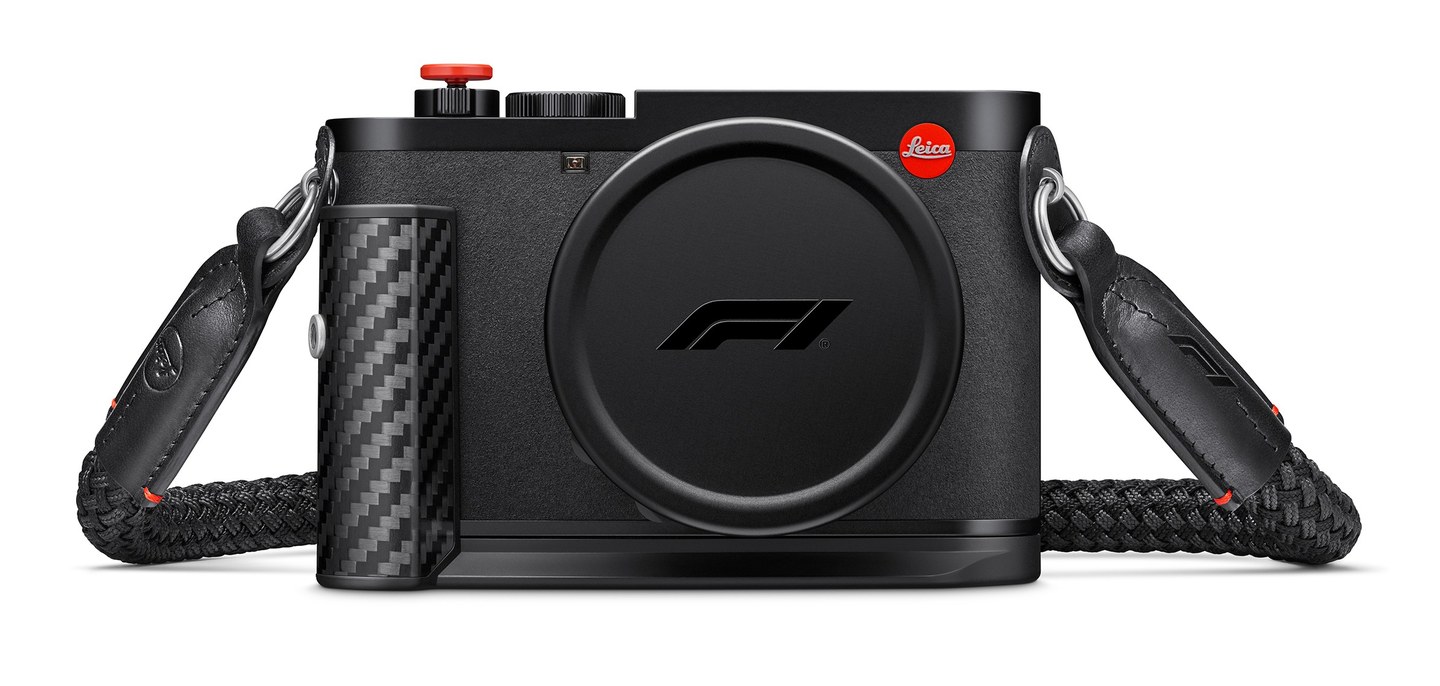
€8,500 in Europe
Unveiled at the Leica Store and Gallery, Los Angeles
The launch
The launch event took place at the Leica Store and Gallery in Los Angeles, unveiled by F1 presenter Ariana Bravo and 2009 World Champion Jenson Button, with racing photography on display.
Design & materials
Carbon fibre where your hands actually go: the wireless-charging grip shell, thumb rest and carbon-inlaid soft-release button — all made in Germany. The body leather is steering-wheel-like black Microvelour; the top plate and lens cap carry the F1 marks, and a dual-brand strap is included.
Imaging & colour
The imaging core matches the standard edition: 60MP full-frame sensor, APO-Summicron 43mm f/2, up to 8K video. The exclusive Formula 1 Look is delivered via the FOTOS app, with higher contrast and fuller saturation.
Highlights
Real carbon fibre in the grip and shutter button; exclusive Look previewable live in the viewfinder; a complete accessory set for collectors.
Shortfalls
Imaging core identical to the standard edition; the premium pays for design and the collaboration; F1 branding too loud for the discreet.
Who it’s for
People who are both racing fans and Leica users; collectors who want the complete collaboration; gifting or brand-PR use.
Editor’s view
A Leica for the display cabinet, not the camera bag.
Leica has done plenty of collaborations, most stopping at engraving and colourways. This one is different: carbon fibre sits where your palm, thumb and forefinger touch every day, wrapped in a steering-wheel-like touch. It is one of the few collaborations that put the money into the places you actually feel.
But let’s be honest: once you press the shutter, this camera takes exactly the same pictures as the standard Q3 43. The extra money buys materials, packaging and a story about speed. If imaging is what you care about, the standard edition is the rational answer — and nobody will blame you for choosing it.
Rumour
Leica Q4: The Three-Sensor Question
Rumour · Compiled from Macfilos, published 2026-10-09; content is the source’s speculation, unconfirmed by Leica
The Q4 is unannounced and Leica has confirmed no specifications. This long Macfilos piece doesn’t rely on leaks — it works through Leica’s existing product line item by item: the lens is nearly a given; the real puzzle is the sensor. Everything below is the source’s speculation; read it as a preview.
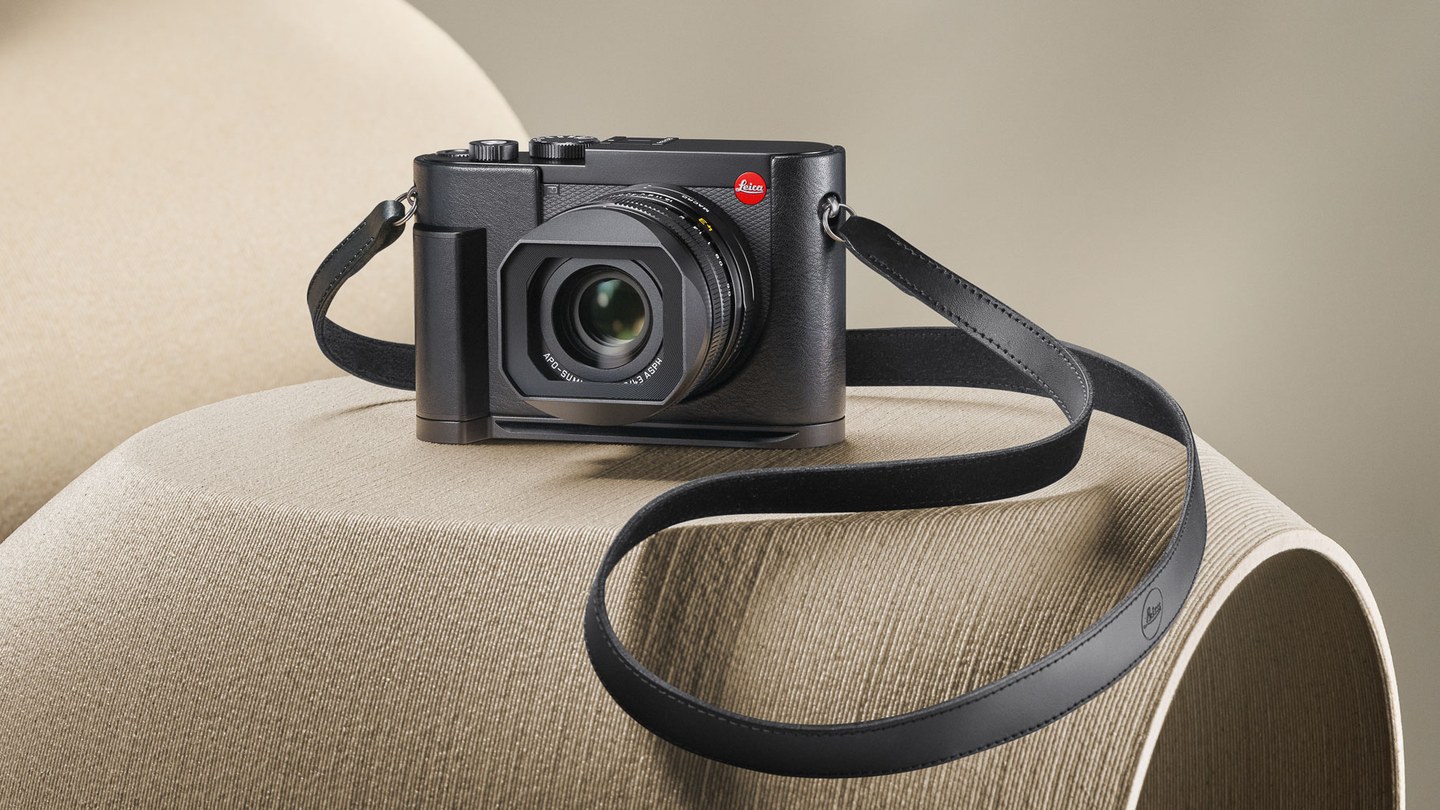
Source speculates 2027 at the earliest, unconfirmed
Same as SL3-P, considered the best balance by the source
What the piece says
The speculation is conservative in outline: 28mm and 43mm versions carry over, leaf shutter and optical stabilisation stay, and macro may reach 1:1. The variable is the sensor, with three existing options: 60MP has the most pixels but the slowest readout, 24MP is strongest in low light, and 44MP sits in the middle.
Credibility
The piece earns trust through method, not sources. It works from parts Leica already sells: the 44MP sensor is the SL3-P’s, with 819 phase-detect points and low-light ISO up to 200,000. As for a new Gpixel sensor, the timeline looks unlikely in the short term.
Possible impact
If the speculation holds, the Q4 would be an incremental upgrade: small steps in processor, screen and viewfinder, plus everyday wishes like a built-in ND. For anyone torn over the Q3, the real question isn’t whether to wait — it’s how often you shoot wide open in broad daylight.
Highlights
If true, 44MP balances pixels and speed; dual versions and leaf shutter likely carry over; macro to 1:1 is a reasonable hope.
Shortfalls
Nothing confirmed by Leica; tracking AF stays a weakness on the current processor; a Gpixel sensor is unlikely soon.
Who it’s for
Anyone torn between buying a Q3 and waiting for the Q4; watchers of Leica’s product strategy; Q-series users doing homework early.
Editor’s view
The better it sells, the less they dare change.
What struck us most wasn’t the spec speculation — it was the number: the Q line outsells the entire M system more than two to one. No wonder Leica treats it with such care. For a best-selling line, a redesign isn’t about surprises; it’s about not disappointing existing users.
Our method is to read the parts list. Leica rarely develops a brand-new core for one camera, so the Q4’s answer is probably already in the current lineup. Rather than waiting for a camera that doesn’t exist yet, first check: is there anything about the current Q3 that actually stops you from shooting?
Test summary
Thypoch Simera 50mm: Sharp Wide Open, Handling Deducts
Test summary · Compiled from Macfilos (by Jörg-Peter Rau), published 2026-10-02
Thypoch is the much-discussed Chinese brand in M-mount circles these past two years, and the Simera 50mm f/1.4 belongs to its modern high-speed line. Macfilos’s M Files has finally given it a full test: the optics are nearly beyond reproach; the deductions are all in the handling details.
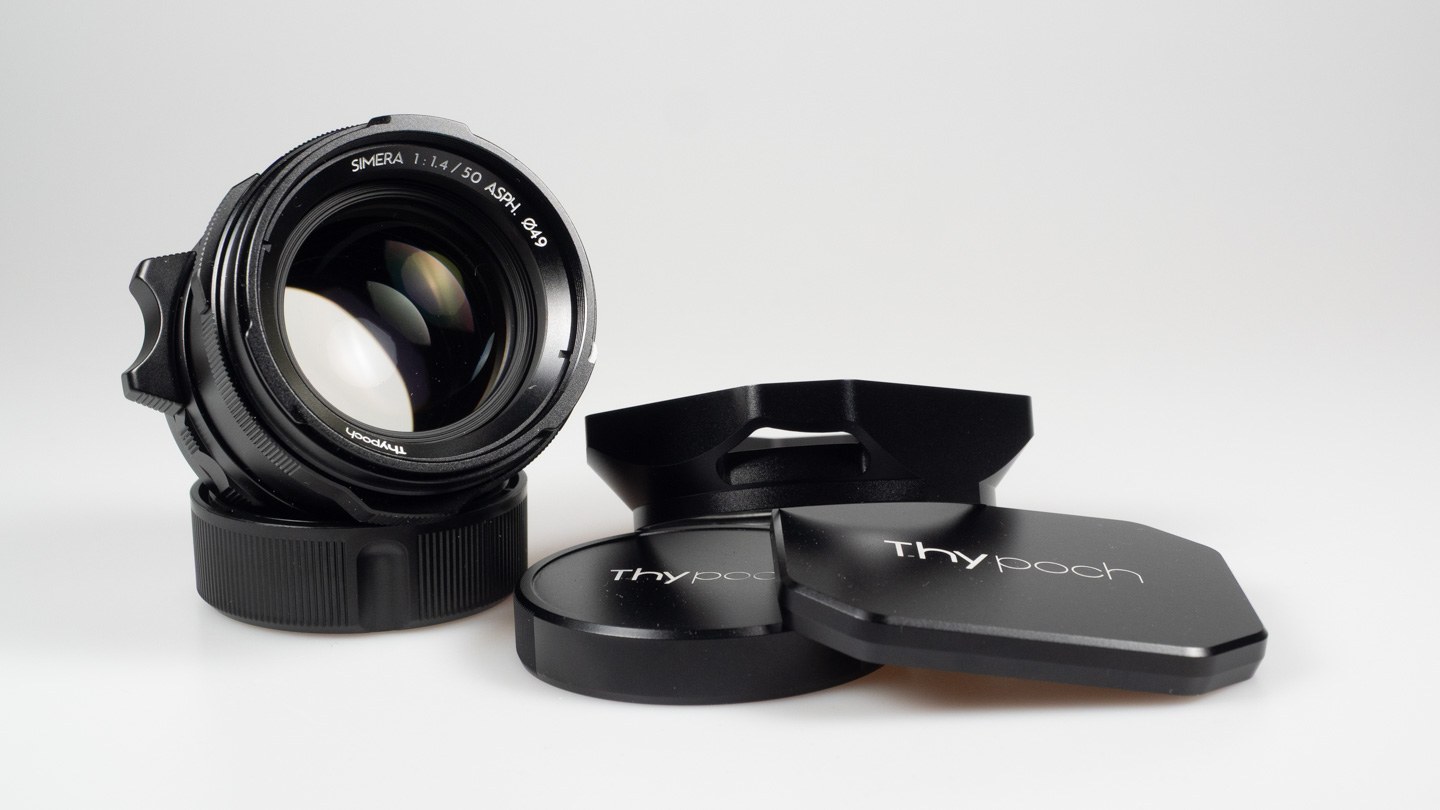
Black and silver
All-metal barrel, 49mm filter thread
Background
Simera is Greek for “today”, and belongs to Thypoch’s modern high-speed line, alongside 21, 28, 35 and 75mm siblings. This 50mm f/1.4 launched in August 2024, packing aspherical and ED elements into 8 elements in 6 groups.
Optics
Sharp wide open at f/1.4 and especially strong up close, only meeting diffraction past f/11. Chromatic aberration control is the standout passage — backlit wires show almost no fringing; bokeh is smooth and flare resistance strong. The author’s verdict: just short of outstanding.
Handling trade-offs
The shortfalls are almost all in feel. The aperture ring’s click spacing is uneven, with no intermediate stops at the rear; the vintage-style red-dot depth-of-field indicator is nearly invisible on the black barrel. The author ended up choosing the smaller Nokton 50/1.5 — while admitting the gap is actually small.
Highlights
Sharp at f/1.4 wide open with excellent close-range performance; class-leading CA control and strong flare resistance; smooth bokeh, floating elements focus to 0.45m.
Shortfalls
Uneven aperture clicks, no intermediate stops at the rear; red-dot DOF indicator invisible on black; viewfinder blocked ~15% with hood attached.
Who it’s for
M users wanting one do-everything 50mm; people who value optics over handling ritual; budgets that can’t reach a Summilux.
Editor’s view
It chose modern; we chose classic.
The Simera and the Mandler 50mm F1.4 stand at opposite ends of the spectrum. One cleans up aberrations to near-perfection; the other keeps a sharp centre with naturally falling edges and old-lens character. Both lenses come from the same country, sit in the same price band — yet their personalities are complete opposites.
Which to choose is really about choosing the image character you want. If you like clean, sharp and modern, the Simera won’t disappoint; if you want airiness and vintage rendering, the answer lies on the other side. First be clear about what you usually shoot — the lens will follow.
Share this story