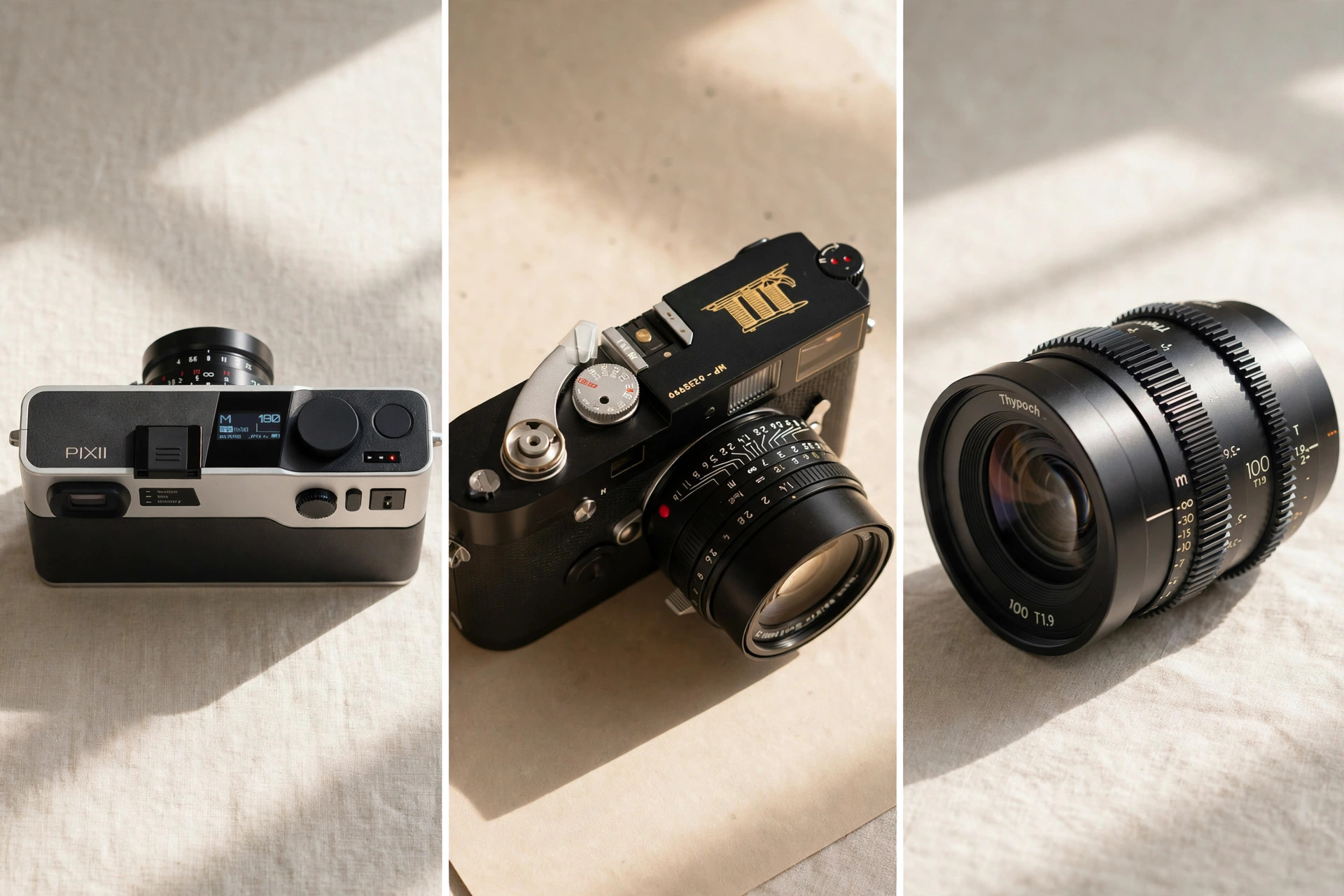
Pixii Judicial Liquidation · MP Marina Bay Sands Limited · Simera-C 100mm
Camera Forest News · 2026.10.27
Camera Forest News
An Exit, a Limited Set, and a Telephoto
This issue covers three stories: the Pixii judicial liquidation, the Leica MP Marina Bay Sands limited edition, and the Thypoch Simera-C 100mm. A rangefinder maker exits, a film camera is made in only ten sets, and a long lens completes a line. They look unrelated, but they ask the same question: how far can niche cameras go? Reading time: about 6 minutes.
Pixii Judicial Liquidation
French rangefinder maker enters liquidation; its next generation is unlikely to appear.
MP Marina Bay Sands 10th Anniversary
Black-and-silver film camera with a 35mm lens, sold only at Marina Bay Sands.
Simera-C adds 100mm
The seven-lens line is complete, with a long lens for portrait close-ups.
Pixii Judicial Liquidation: A French rangefinder maker reaches the end
Industry news, adapted from PetaPixel, published 2026-10-20
Pixii was one of the few small makers willing to take on Leica digital rangefinders head-on, with a design that had no rear screen and relied on a phone connection. It was distinctive. Now it has entered judicial liquidation, operations stopped at the end of July, and its next-generation body is almost certainly never coming. For the rangefinder market, this is not just one company falling, but one fewer choice.
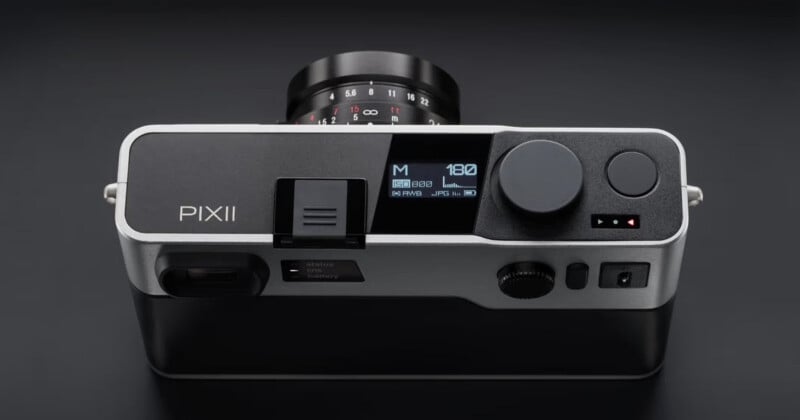
Photo | Pixii (via PetaPixel)
The formal French bankruptcy procedure: sell assets to repay creditors
The court allowed operations until this date; the judgment was announced in early August
What happened
PetaPixel reported on 20 October that French rangefinder maker Pixii had entered judicial liquidation. Under French law, this is the formal bankruptcy procedure: the company is ordered to stop trading and to sell its assets to repay creditors, as a last resort. PetaPixel also asked Pixii for comment and had received no reply at the time of reporting.
Background
Pixii entered court-supervised restructuring in December 2025, and on 20 May 2026 its observation period was extended to 10 December. But on 22 July the court converted the procedure to liquidation, the judgment was announced in early August, and the company was allowed to operate until 31 July. The completely redesigned rangefinder teased last October is therefore almost certainly never coming.
Impact on users
Current models are still on sale: the Pixii Max is US$4,499 after a US$500 price cut, a 24.5MP full-frame M-mount rangefinder; the 26MP APS-C version is US$2,799 after a US$800 cut. Warranty, repairs, parts, and future firmware updates are all undecided. The only way out is a buyer acquiring the company with court approval, after the debts are resolved, before operations could resume.
Highlights
Lower prices lower the entry threshold; an acquisition remains theoretically possible; a small maker taking on Leica is worth remembering.
Drawbacks
Warranty and repairs are undecided; firmware updates are not guaranteed; the next generation is almost certainly never coming.
Who It’s For
People who already own a Pixii; people looking to pick up discounted stock; people following the rangefinder market.
Editor’s View
With one more rival, the market keeps its choices.
Pixii’s value was never just its specifications. It proved that a rangefinder does not have to be made Leica’s way: no rear screen, operated from a phone, is a stubborn and honest choice. The market needs that stubbornness, or every camera will end up looking the same.
But liking something and buying it are different things, honestly. With warranty and repairs undecided, buying discounted stock is a bet on after-sales support. If you already own a Pixii, check spare parts and repair channels first; if you are only tempted, now is not the time to look at price alone.
Leica MP Marina Bay Sands: A 10-set anniversary film camera
New product, adapted from HardwareZone, published 2026-10-19
Ten years after the Marina Bay Sands store opened, Leica did not make a digital special edition. It went back to the film MP. A black paint body, silver engravings, and three towers on the top plate: the number ten itself is the message. This is not a camera for everyone, but for people who remember that store, and film.
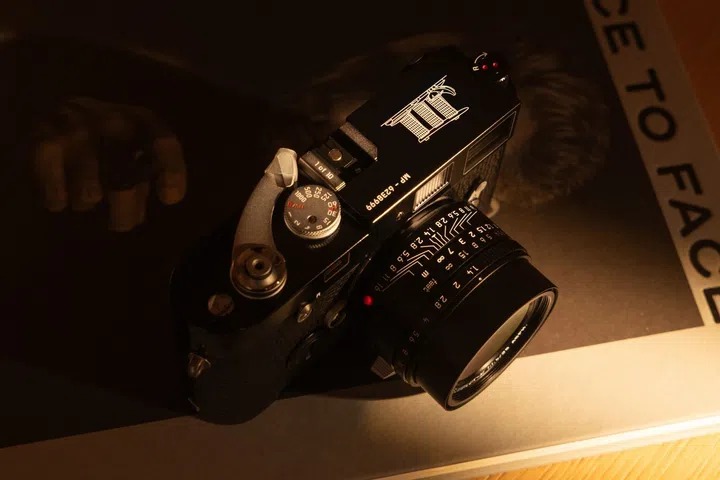
Photo | Leica (via HardwareZone)
Including tax, body and lens as a set
Only at the Marina Bay Sands store
Ten-year anniversary
The Marina Bay Sands store opened in 2016, and this edition marks its tenth year. When the store opened, Leica released an 18-set M-P Marina Bay Sands Edition. This time the base camera is the film MP. The design was developed with Leica’s teams in Wetzlar, from an initial concept in spring 2026 through development and testing over the summer, as a tribute to the store and the photographers and collectors in its community.
Design details
The body uses a glossy black paint finish, with silver chrome controls and silver-filled engravings. The top plate is engraved with the Marina Bay Sands towers and the ArtScience Museum, and each camera is serialised on the hot shoe, for example 1 of 10. The set pairs the body with a Summilux-M 35mm f/1.4 ASPH lens, with the same serial number on both.
Only at Marina Bay Sands
The set is sold only at the Leica Store Marina Bay Sands, at S$23,450 including GST. What buyers get is less a daily tool than a piece of the store’s and the city’s story. Film and developing still cost extra, so that long-term cost should be counted before buying.
Highlights
The landmark engraving is real, not a sticker; the black-and-silver finish ages well; it comes with a 35mm f/1.4, ready to shoot.
Drawbacks
S$23,450 is a very high entry price; it is sold in only one store in Singapore; a film camera still needs film and developing.
Who It’s For
Collectors of Leica special editions; long-time customers of the Marina Bay Sands store; people who love the feel of a film M.
Editor’s View
Ten sets matter not for shooting, but for remembering.
The hardest part of a store anniversary edition is not turning into a souvenir. This one engraves the landmark into the top plate and writes the serial number on the hot shoe. The collecting case is concrete: ten years, one store, ten people. The smaller the number, the clearer the story.
Still, honestly, most buyers will not carry it every day. Film, developing, and waiting all cost money. If you want an M to shoot daily, a standard MP makes more sense. If you want a memory of a store and a city, this set makes its case.
Thypoch Simera-C 100mm: The last piece of the seven-lens line
New product, adapted from PetaPixel, published 2026-10-23
Until now the Simera-C line stopped at 75mm, so portrait close-ups always missed a little compression. The 100mm T1.9 fills that gap and completes a seven-lens range from 16mm to 100mm. For filmmakers who want one affordable cine set to cover a whole film, the choice just got simpler.
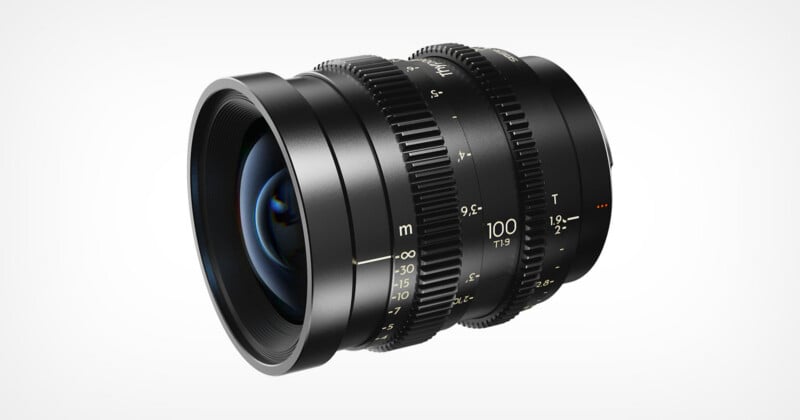
Photo | Thypoch (via PetaPixel)
11 elements in 8 groups, 16-blade iris
E-mount and M-mount, same price across the seven-lens line
Background
The Simera-C line previously covered 16mm, 21mm, 28mm, 35mm, 50mm, and 75mm, with no true telephoto. The 100mm T1.9 is positioned for character close-ups, reaction shots, and narrative details. It fully covers full-frame sensors with a 43.2mm image circle, and comes in Sony E-mount and Leica M-mount versions.
Optical design
The lens uses 11 elements in 8 groups, a 16-blade iris, a 0.85m minimum focus distance, and a 210-degree focus throw, with unified 0.8 MOD gearing on the focus and aperture rings. The series uses a vacuum coating and multi-layer anti-reflective coating to suppress flare and ghosting, aiming for clean images and accurate colours, and Thypoch says the lenses suit high-resolution cameras including 8K.
Specs & price
The E-mount version measures 86.4mm and weighs 477g; the M-mount version measures 76.6mm and weighs 451g, the same length as the 75mm. The filter thread is 67mm, shared with the 75mm, while the rest of the line uses 62mm. Prices are US$879 for E-mount and US$959 for M-mount, clearly low for full-frame cine lenses.
Highlights
The seven-lens line is finally complete, no mixing needed; the T1.9 telephoto compresses portraits well; unified controls mean no relearning when swapping lenses.
Drawbacks
The 100mm is only T1.9, while most of the line is T1.5; manual focus only, so tracking is all on the operator; its 67mm filter differs from the rest of the line.
Who It’s For
Short-film and independent filmmakers; people building one affordable cine set; filmmakers shooting with M-mount.
Editor’s View
Affordable here is not a compromise; it puts the telephoto in reach first.
The expensive part of cine lenses is rarely one lens, but a whole set. Simera-C keeps seven lenses on the same specs and controls, and the 100mm completes that argument: wide to telephoto, without going to another maker for one long lens.
Affordable still has a cost. Manual focus in moving scenes demands experience, and T1.9 is slower than the rest of the line. If you rely on autofocus or often chase people in low light, think first. If you shoot controlled narrative shots, this lens is very good value.
More news at a glance
Camera and lens news outside the main stories, listed by headline only. Tap to read the original.
Share this story