By Daran Wu
Introduction
At Photokina 2018 in Germany, Hasselblad officially released its first fast-aperture lens, the XCD 80mm F1.9. Seeing its specs and image quality — wow! It felt so dreamlike, beckoning to me… but… That year it stirred quiet ripples in my heart, yet I didn't even own an X-system camera, let alone afford its noble price. Hard to imagine ever getting this lens.
With the 2019 X1D II launch bringing greatly improved handling and performance, an "accident" led me to order an authorized X1D II — and so began my Hasselblad X-system journey. My first lens was the XCD 65mm F2.8: equivalent to a 50mm standard lens in full-frame terms, a focal length I know well, and relatively affordable. But in my heart I still dreamed of the XCD 80mm F1.9.
How It Came to Be
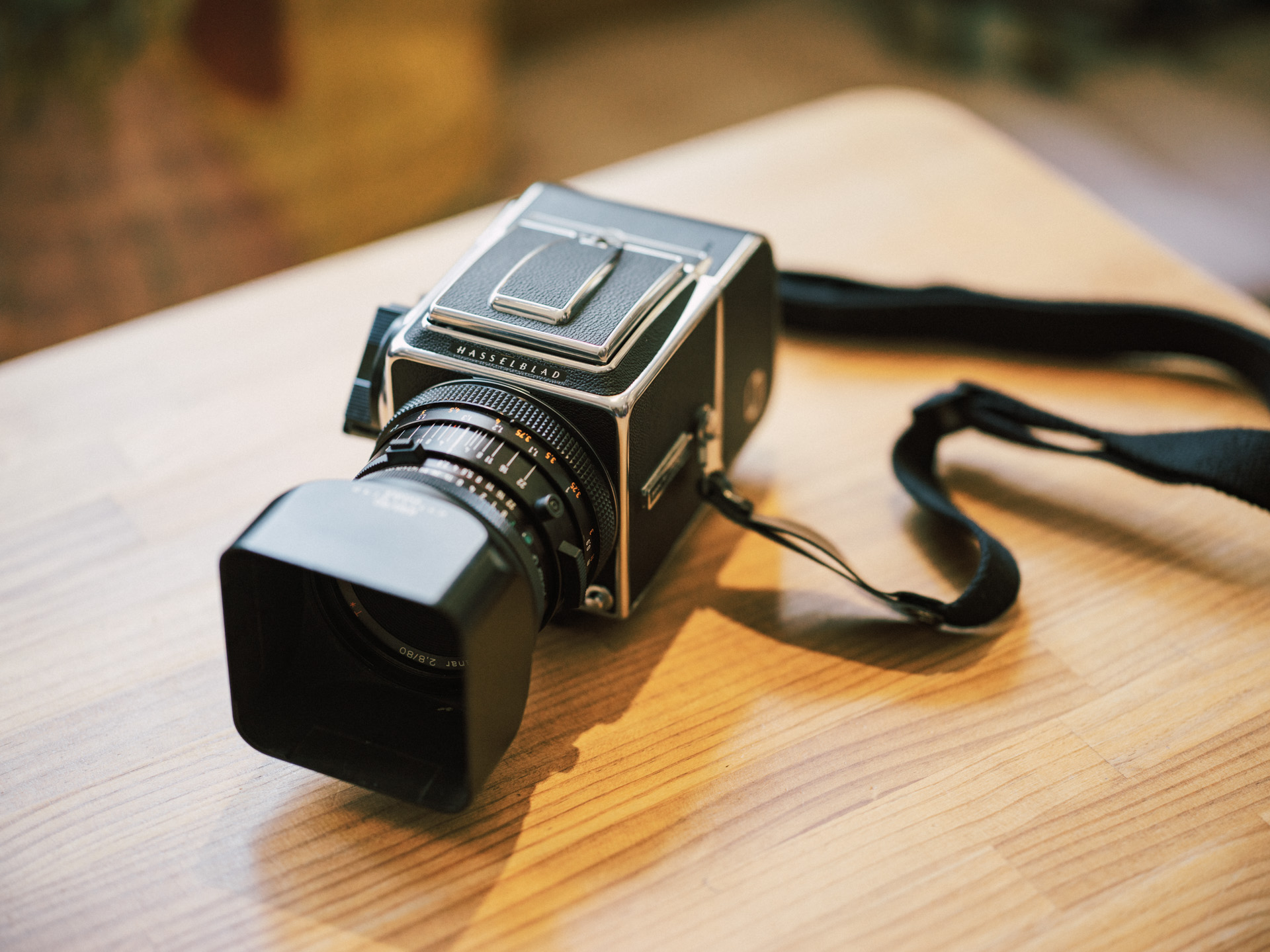
The XCD 65mm F2.8 is excellent, but its aperture wasn't wide enough for that dreamlike bokeh — a constant ache in my heart. Unable to afford the XCD 80mm F1.9 for the time being, I turned to adapting HC lenses. I already owned an HC 80mm F2.8, and later added the HC 100mm F2.2 — a fast portrait lens from the old era. Hasselblad also released an HC 0.8x focal reducer that not only adapts HC lenses to the X1D II but shortens focal length by 0.8x, achieving the 120-film-format (54mm x 49mm) conversion factor.
HC 100mm F2.2 × 0.8x reducer (44×33 format) = 65mm F1.8 full-frame equivalen
t HC 80mm F2.8 × 0.8x reducer (44×33 format) = 50mm F2.2 full-frame equivalent
For a while, X1D II + HC lenses was my most-carried combo. Then, at this moment — I organized a Hasselblad user meetup, and for the first time touched the XCD 80mm F1.9. The moment I took the camera and pressed the shutter: Shit! What IS this lens?! The voice saying "I… want… it…" kept surfacing. Fine! I guess it was fate. After saving for a while, plus the budget from selling the XCD 65mm F2.8, I finally welcomed the long-coveted XCD 80mm F1.9.

XCD 80mm F1.9: Pros and Cons
Wide aperture:


No previous Hasselblad lens exceeded F2 (the fastest was the HC 100mm F2.2). As the X system's flagship lens, the XCD 80mm pushes to F1.9 — handling all kinds of lighting while delivering stronger blur.
Image quality:


The XCD 80mm F1.9 uses a rear-group design, and thanks to mirrorless's inherent advantage, a shorter flange distance than past designs — letting the rear group sit very close to the sensor's focal plane. The larger the rear group, the better the edge quality.
Wide open, the XCD 80mm F1.9 works like magic: large-diameter low-dispersion glass keeps it respectably sharp with only slight chromatic aberration, appearing only under harsh high-contrast conditions. Maximum aperture is genuinely a working aperture — in my experience I shoot mostly wide open at F1.9; stopping down one or two stops for more detail and depth yields astonishing detail, with center and edges equally excellent.
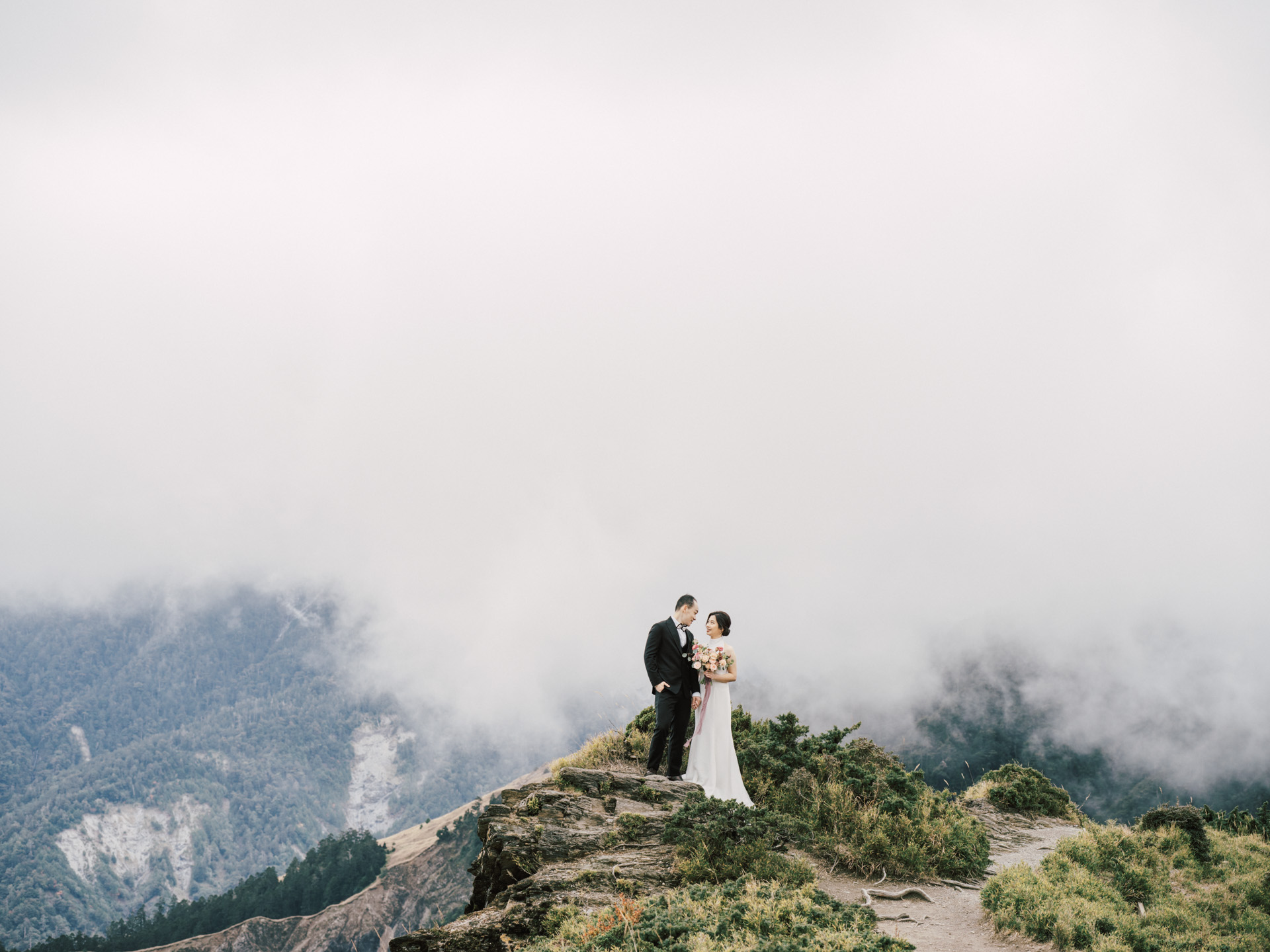
Note: per official specs, the XCD 80mm F1.9's resolving power is ready for future 100-megapixel bodies!


Bokeh:
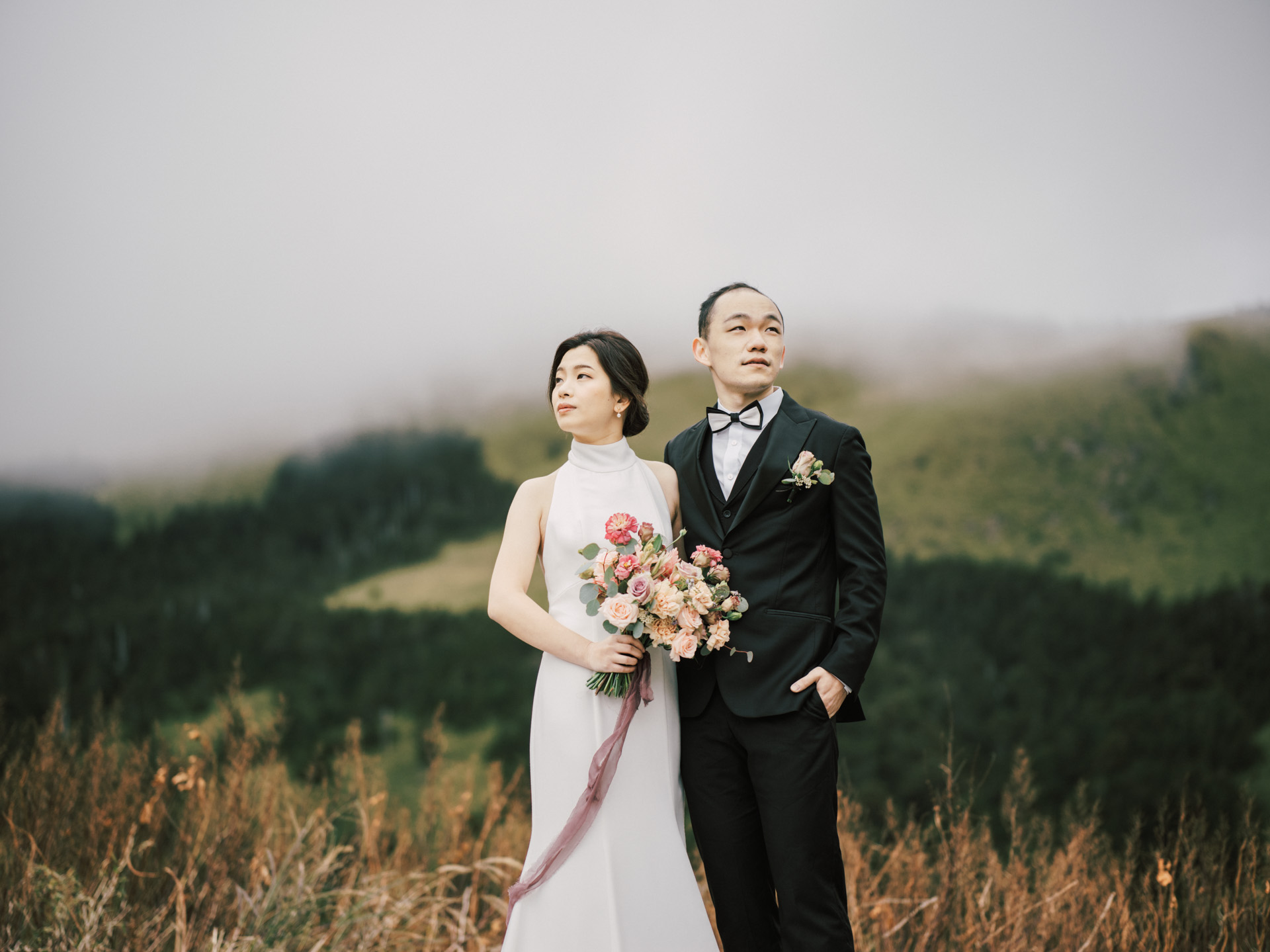
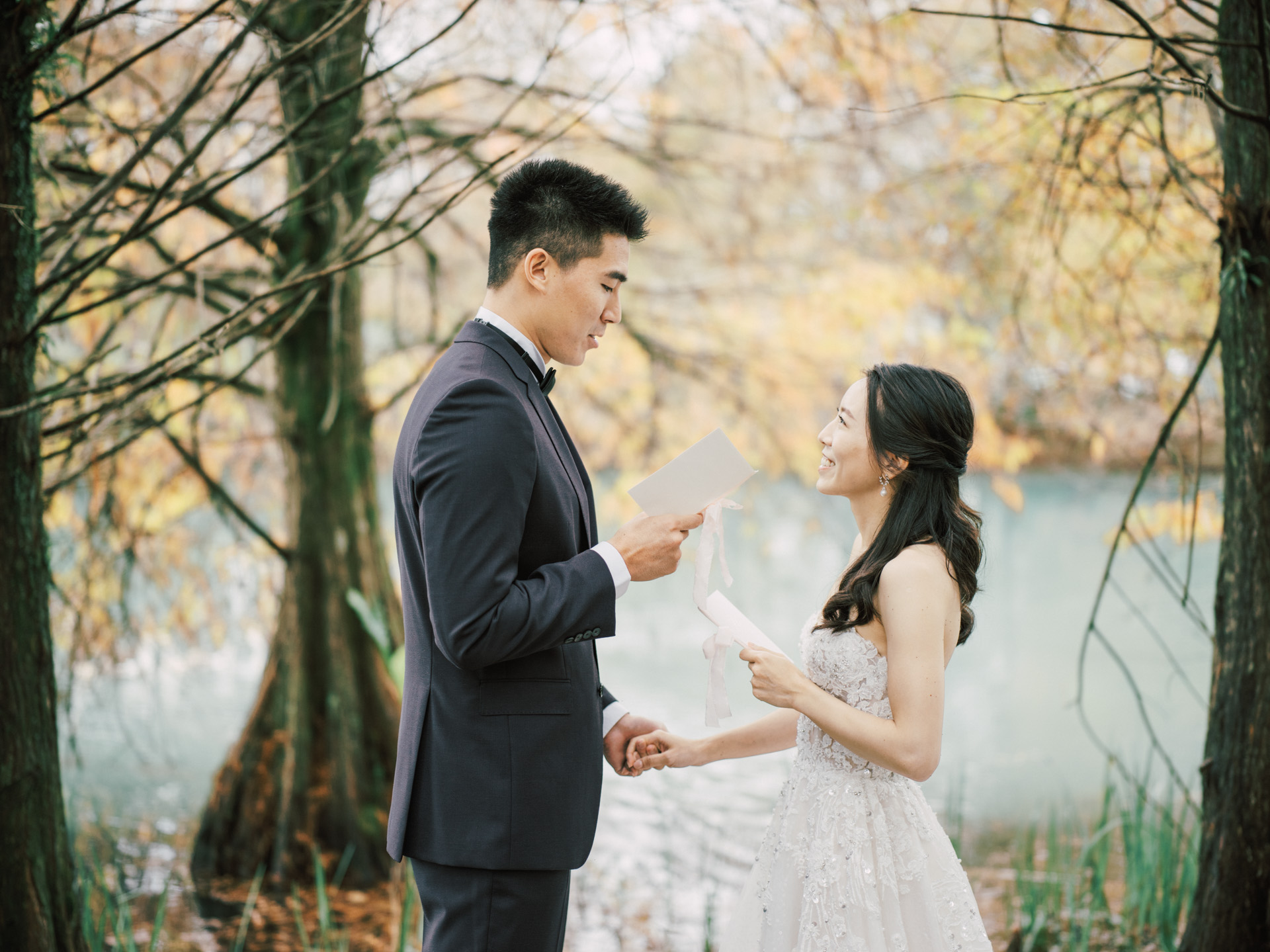
Bokeh is the XCD 80mm F1.9's crowning feature — the background melts like tears welling up when your girlfriend moves you: blurred, yet you remember everything you just saw…
Its blur is well-defined — never pasting the subject onto the background. Smooth, gentle rendering carries the subject clearly while the background melts away unobtrusively, never messy or nervous.




Flare resistance:
The XCD 80mm F1.9's anti-reflective coatings are excellent — shooting into the light, frames stay clear and color-saturated without haze. Only when light strikes at certain direct angles is the image slightly affected, and even then it sometimes adds atmosphere. In practice, light sources in the frame are nothing to worry about.


Weight:
Size and weight: the XCD 80mm F1.9 is a beast — at one kilogram it's heavier than the camera itself, definitely not a casual carry. Fortunately the lens-camera combination handles well, thanks to the X1D II's excellent grip design.


Autofocus:
Hasselblad claims the XCD 80mm F1.9's dual-motor drive delivers "fast autofocus performance" — but AF is truly Hasselblad's Achilles' heel. The XCD 80's AF speed is merely "usable"; "fast" doesn't apply.
Since the X1D II still uses older contrast-detect AF, the XCD 80mm F1.9 hunts quite often in practice — especially over long focus throws, where hunting probability and focus time both increase substantially.


Hasselblad uses a leaf-shutter design, which also limits AF capability. The XCD 80mm F1.9 moves the entire optical group to focus — so to speed up AF and improve accuracy, minimize focus travel and avoid near-to-far sweeps. Prefocus on a nearby area, then on the subject: faster focusing, less hunting.
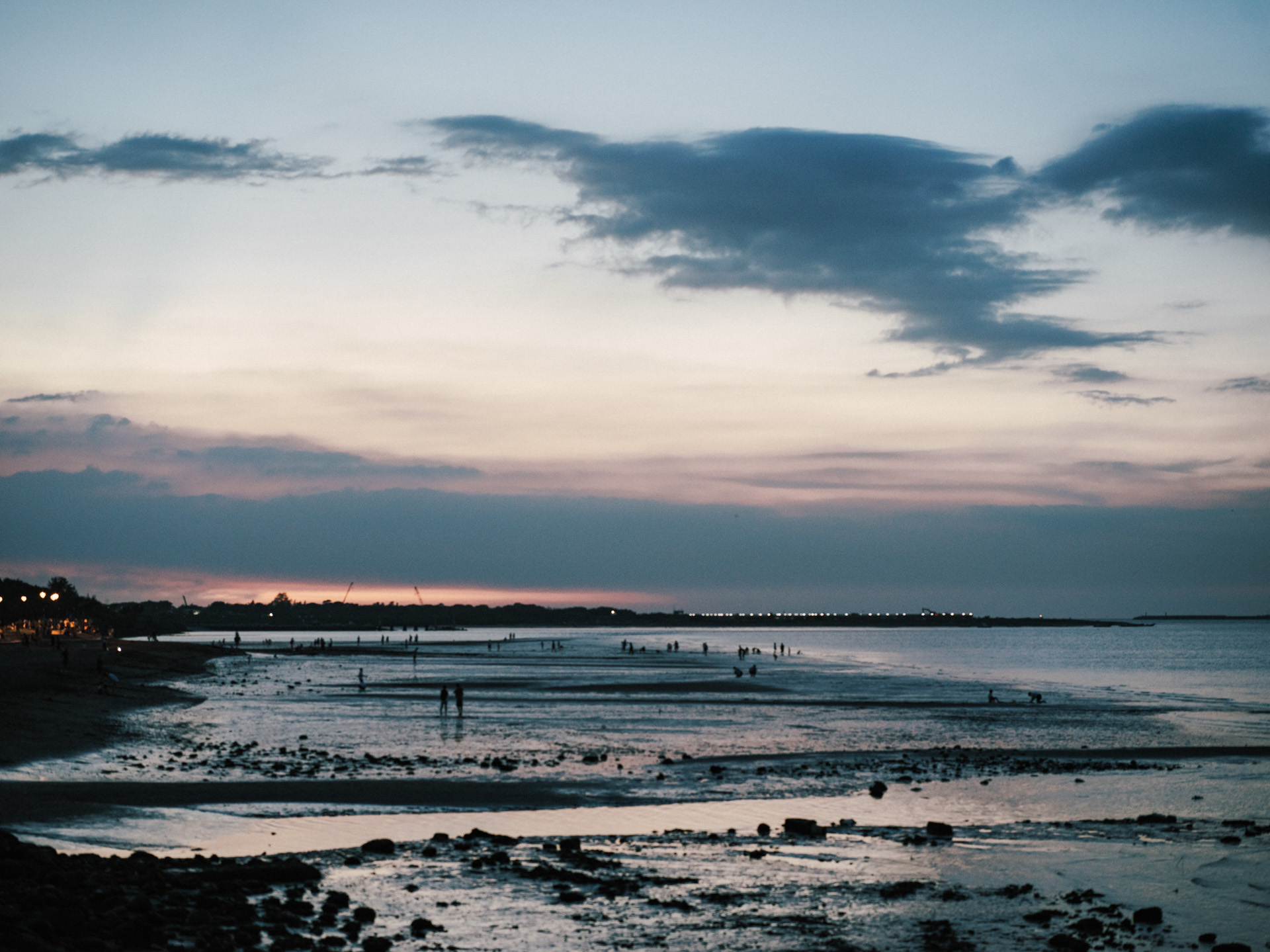
Slow as it is, the XCD 80mm F1.9's focus accuracy is excellent. One caution: with distant subjects, the X1D II may focus on the background — a contrast-detect misjudgment sending the lens the wrong way. If it keeps happening, I switch to manual focus with magnification.
Tip:
On the X1D II I habitually set manual focus mode, while the rear AF-D button still triggers autofocus — letting me switch between auto and manual at will.
Contrast-detect AF: increases brightness contrast in the focus area, finds the highest-contrast region, and locks focus there. Pros: accurate focus when the subject has strong contrast. Low cost. Cons: struggles with low-contrast subjects; AF performance is heavily limited in dim light. Phase-detect AF: the AF sensor measures how far the actual focus is from the correct position, then adjusts. Pros: the most accurate AF method. Cons: complex, demanding high-grade hardware. Explanation from Digiphoto
Reflections
When you love someone, you naturally embrace their flaws and admire their strengths.
Choosing the Hasselblad system takes real love. I genuinely find Hasselblad's brand design outstanding — the camera design itself, the looks, the website's graphics, typography, color palette, videos, even accessories — a complete aesthetic vision.
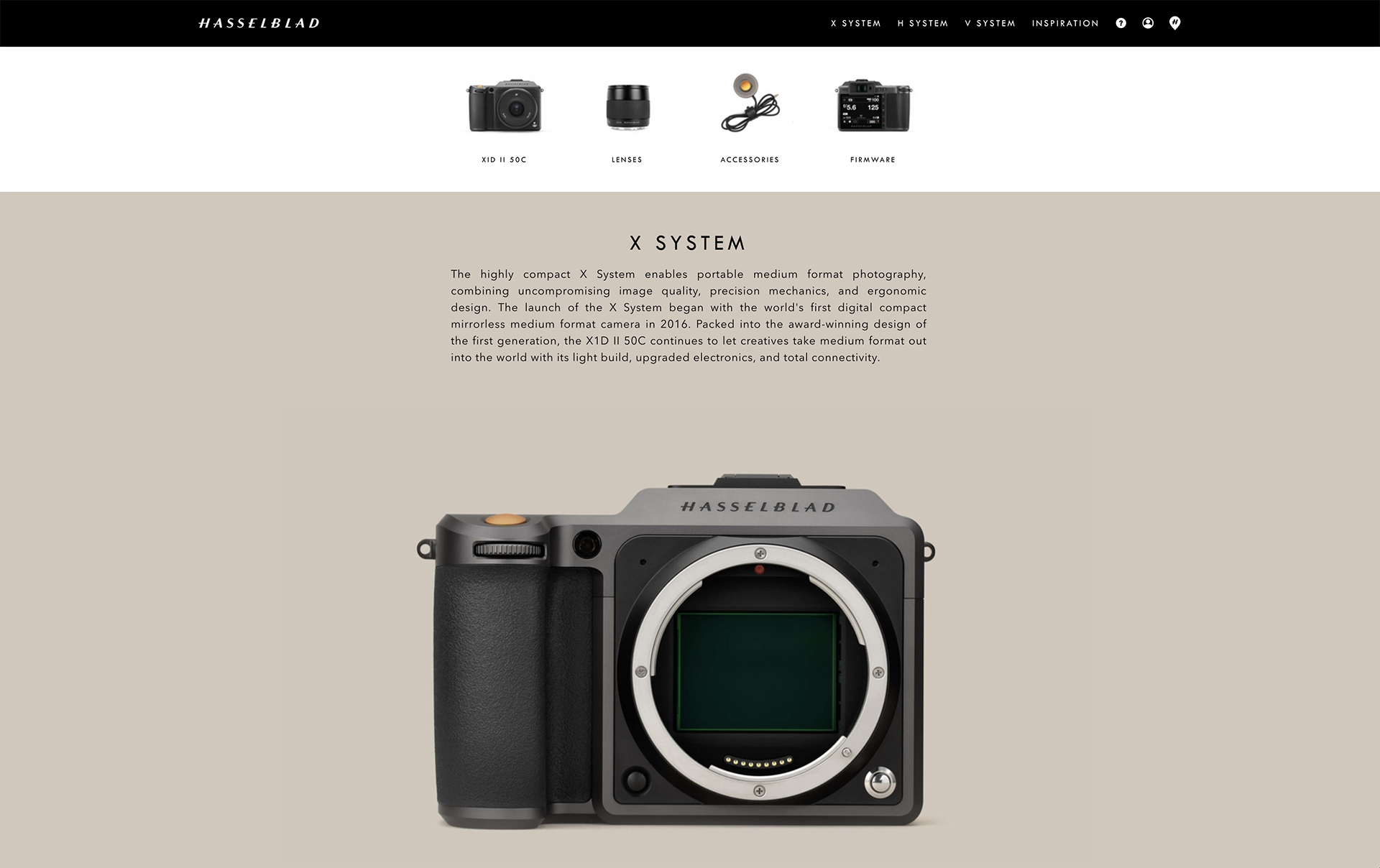
And I admire Hasselblad's philosophy. Heading out with a Hasselblad brings natural joy — today I'm out to enjoy photography. Slow AF? Fine — think before pressing the shutter. Slow startup? Power on earlier. At least Hasselblad nailed image quality first, and the smile is still there when I open the files.
There are countless excellent cameras to choose from, but a camera that fills you with joy is one you must discover yourself.
As a Hasselblad user, I'm thoroughly satisfied with the XCD 80mm F1.9 — in life and work alike, it deserves high marks in every respect, except the slow AF (oh — and the steep price). But those are systemic issues; perhaps with the next-generation X1D III's improved performance, the XCD 80mm F1.9 will shine even brighter!
Specifications
Hasselblad XCD 80mm f/1.9 specifications: Focal length: 80.5mm 35mm equivalent: approx. 63mm Aperture range: f/1.9–f/32 14 elements in 9 groups, front-focusing design Minimum focus distance: 0.7m Maximum magnification: 1:6.4 Dual-motor construction with built-in central leaf shutter Filter size: 77mm Lens dimensions: 112mm × 84mm Lens weight: 1044g
.



Further links: Hasselblad X1D II-50C | The Last Piece of a Man's Soul
Share this story